
What Is the Citrus Long-Horned Beetle?
The citrus long-horned beetle (Anoplophora chinensis) is an invasive insect species native to East Asia. Belonging to the longhorn beetle family (Cerambycidae), this pest feeds on the cambium and heartwood of broadleaf trees, often killing the host tree in the process.
First detected in Turkey in 2014 in Istanbul, the pest spread to hazelnut orchards in the Macka district of Trabzon in 2018, posing a major threat. In infested hazelnut orchards, it has caused yield losses of up to 50% and the complete dieback of hazelnut bushes.
A Serious Threat
Unlike native pests, the citrus long-horned beetle does not merely reduce yield — it causes the complete death of hazelnut trees. It destroys the trunk and root system of its host tree, inflicting irreversible damage.
Identification Features
Adult Beetle
- Size: 20-35 mm in length, robust build
- Colour: Glossy black body with white spots
- Antennae: 1.5-2 times the body length, with black-blue bands
- Legs: Blue-black in colour
- Sexual dimorphism: Males have antennae longer than the body; in females, the antennae are approximately body length
Larva
- Size: Reaches 40-50 mm at maturity
- Colour: Creamy white, legless
- Head: Brown, equipped with powerful mandibles
- Habitat: Inside tunnels bored in the trunk and thick branches
Egg
- Size: Approximately 5-7 mm
- Colour: Creamy white, oval
- Oviposition site: Beneath the bark, in a “T”-shaped slit carved by the female’s mandibles
Life Cycle
The citrus long-horned beetle has a 1-2 year life cycle. The time required to complete one generation varies depending on climatic conditions.
Seasonal Overview
September - April: Larval and pupal stage (inside the tree) May - August: Adult stage (flight, mating, oviposition)
Egg Stage (Summer)
The female carves a T-shaped slit in the bark with her mandibles and deposits one egg per slit. A single female can lay 70-200 eggs in her lifetime. Eggs are typically deposited on the trunk up to 30-40 cm above ground level.
Larval Stage (Autumn - Spring)
After hatching, the larva initially feeds beneath the bark, then bores into the woody tissue. It excavates wide tunnels through the cambium layer and heartwood. These tunnels sever the tree’s nutrient and water transport systems, eventually causing the tree to die.
Pupal Stage (Spring)
The mature larva forms a pupal chamber at the end of its tunnel inside the tree. The pupal stage lasts 2-4 weeks.
Adult Stage (May - August)
The adult beetle emerges by boring a round exit hole 8-12 mm in diameter through the trunk. Adult lifespan is approximately 1-2 months, during which mating and egg-laying occur. Adults have a flight range of 500 metres to 2 km, enabling the pest to spread to neighbouring orchards.
Damage Symptoms in Hazelnut Orchards
Symptoms on the Trunk
- Exit holes: Round holes 8-12 mm in diameter on the trunk (the most conspicuous sign)
- Frass accumulation: Sawdust-like wood frass at the base of the trunk and around exit holes
- Bark lifting: Bark swelling caused by oviposition slits
- Sap exudation: Sticky sap oozing from the trunk
Symptoms Across the Tree
- Leaf wilting: Yellowing and wilting at branch tips
- Branch dieback: Branches severed by larval tunnels die back suddenly
- Crown thinning: Progressive leaf loss in the upper canopy
- Stunted shoots: New shoots remaining shorter than normal
- Tree death: Complete dieback of the tree at advanced stages
Early Detection Is Vital
If you observe exit holes or frass accumulation on the trunk, immediately notify your Provincial or District Directorate of Agriculture and Forestry. Early detection is the single most critical step in preventing the pest from spreading.
The Spread in Turkey
First Detection: Istanbul (2014)
The citrus long-horned beetle was first recorded in Turkey on 12 June 2014 at the Kumbaba Nursery in the Sile district of Istanbul. It was found on maple and willow trees, and a control regulation was published in the Official Gazette on 17 June 2014.
Spread to Hazelnut Orchards: Trabzon (2018)
The pest appeared in hazelnut orchards in the Esiroglu neighbourhood of the Macka district of Trabzon in 2018. Research indicates that the beetle was introduced to the region between 2016-2017 via infested nursery stock transferred from an Istanbul Metropolitan Municipality nursery to a Trabzon Metropolitan Municipality nursery. Because this nursery was located within the Macka/Esiroglu neighbourhood, the pest readily spread to surrounding hazelnut orchards.
Control Campaign (2018-2021)
| Period | Intervention | Outcome |
|---|---|---|
| 2018-2020 | Chemical control | Proved insufficient; spread continued |
| Winter 2020 | Removal of infested orchards began | Effective but initiated late |
| April 2021 | Control area reached 3,600 decares | Removal 99% complete (official statement) |
Affected Area
Satellite imagery and remote sensing analysis determined that the total area of hazelnut orchards destroyed was 2,296.6 decares. Affected neighbourhoods:
Macka District: Gunay, Esiroglu, Barisli, Hizarli, Alacam, Yenikoy Ortahisar District: Caglayan
The greatest damage occurred in the Esiroglu and Gunay neighbourhoods.
Control Methods
Eradication (Removal)
According to the official control regulation, the most effective method is the complete destruction of infested plant material:
- Infested trees are uprooted and burned
- No new hazelnut trees are planted in cleared areas for at least 2 years
- Removal should be carried out during the winter period (larval and pupal stage)
No Alternative to Eradication
Because the larva lives deep inside the heartwood, reaching it with insecticide application is virtually impossible. For this reason, the uprooting and destruction of infested trees is the most reliable control method.
Quarantine and Buffer Zone
Under the Official Gazette regulation, a buffer zone at least 2 km wide must be established around destroyed hazelnut orchards:
- Orchards within the buffer zone are inspected twice a year
- Inspections aim to detect the pest’s presence at an early stage
- The buffer zone established in Trabzon covers an area of 13,687.4 decares
Nursery Stock Control
The transport of infested nursery stock is the greatest risk factor in the pest’s spread:
- Saplings from within the buffer zone must not be used to establish new orchards
- A phytosanitary certificate should be required for all sapling transfers
- Suspect nurseries must be inspected regularly
Chemical Control (Limited Effectiveness)
Chemical control alone is insufficient, but it can serve as a supplementary measure during the adult stage:
- Adult stage: Trunk-directed spraying between May and August
- Trunk painting: Lime and insecticide mixture applied to the lower trunk
- Systemic insecticides: Application by trunk injection (limited success)
Mechanical Control
- Wire probing: A thin wire is inserted into larval tunnels to kill larvae mechanically
- Adult collection: Adults observed on trunks during the adult stage are collected by hand and destroyed
- Trap trees: Attractive tree species are planted to lure beetles away from hazelnut trees
How to Inspect Your Orchard
Growers with hazelnut orchards in the buffer zone or in at-risk areas should carry out regular inspections:
When to Inspect
- During winter basal shoot clearing, inspect the trunks
- Between May and August, monitor for adult beetles
Inspection Checklist
- Examine the trunk from ground level up to 30 cm above the soil line
- Look for round holes (8-12 mm diameter)
- Check for frass deposits at the base of the trunk
- Search for T-shaped slits or raised areas on the bark
- Note any sudden branch dieback or leaf wilting
Mandatory Reporting
The citrus long-horned beetle holds quarantine pest status. If you detect any suspicious signs, immediately notify your Provincial or District Directorate of Agriculture and Forestry. Prompt reporting is the most important step in bringing the pest under control.
At-Risk Regions
The citrus long-horned beetle currently has no officially recorded infestations outside Trabzon province. However, the following factors increase the risk:
- Unregulated nursery trade: The possibility of infested saplings being transported to other provinces
- Wide host range: Not limited to hazelnut alone; the beetle can survive on maple, willow, beech, poplar and many other broadleaf tree species
- Climate tolerance: Its broad climate tolerance increases its capacity to adapt to different regions
- Forest connectivity: Coppice forests surrounding hazelnut orchards can serve as alternative habitats, allowing the pest to persist
Conclusion
The citrus long-horned beetle poses a far greater threat to Turkish hazelnut farming than any native pest. This invasive species, which kills its host tree, has led to the destruction of thousands of decares of hazelnut orchards in the Macka district of Trabzon.
Keys to successful control:
- Early detection is the most critical step — inspect your orchard regularly
- If you find suspicious signs, report immediately to the agricultural directorate
- Never purchase unregulated nursery stock
- If you are within the buffer zone, carry out detailed inspections twice a year
- Public awareness and collective action are essential to halting the pest’s spread
Turkey supplies approximately 70% of the world’s hazelnut production. If this pest is not brought under control, it will directly affect the national economy and the livelihoods of approximately 400,000 families. Informed farming practices and timely intervention are vital for the future of our hazelnut orchards.
For a general pest management calendar, see our Spray schedule. For information on other pests, review our Hazelnut weevil guide.
📚 Hizal et al. (2015) - First Record of A. chinensis in Turkey 📚 Tuncer et al. (2019) - New Pest Species in Hazelnut Orchards 📚 Bozkurt (2018) - Invasive Insect Pest Management 📚 Trabzon Provincial Directorate of Agriculture and Forestry📚Sources
- Hizal et al. (2015) - Istanbul University Faculty of Forestry Journal
- Tuncer et al. (2019) - Black Sea Journal of Agriculture
- Bozkurt (2018) - Journal of Natural Hazards and Environment
- Republic of Turkey Ministry of Agriculture and Forestry - Trabzon Provincial Directorate
- Official Gazette (17.06.2014, No: 29033) - Control Regulation
Related Guides
View all Pest Control guides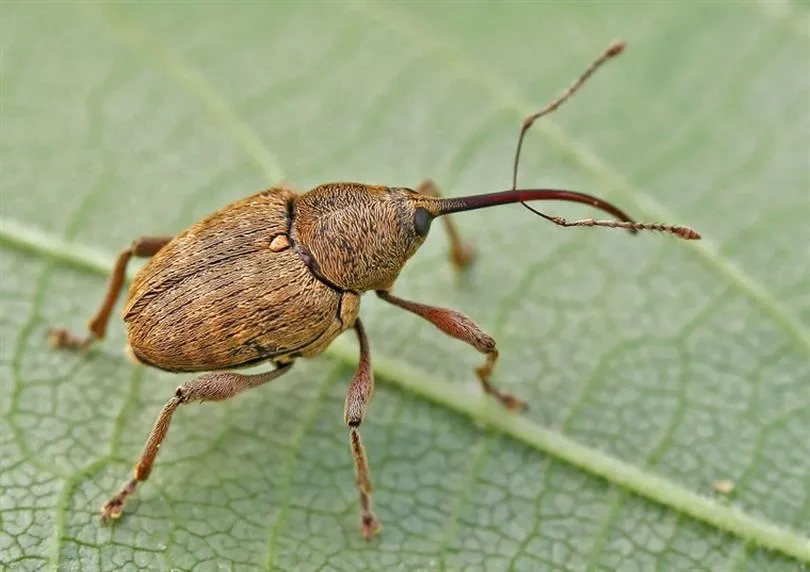
Hazelnut Weevil Control Guide: Identification, Spraying and Prevention
What is the hazelnut weevil (Curculio nucum, formerly Balaninus nucum), its damage symptoms, life cycle and control methods. Spray timing and dosages.
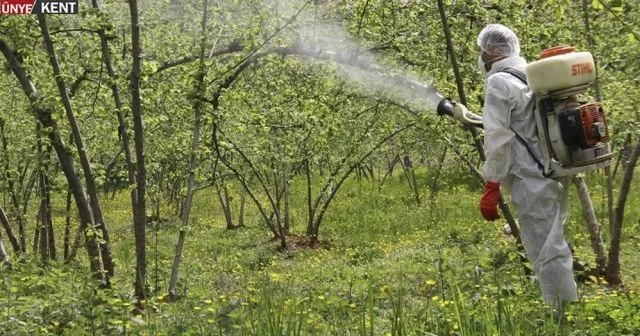
Hazelnut Spraying Calendar: Annual Program for All Pests
Hazelnut orchard spraying calendar: spray timings, dosages and rules against all pests and diseases from February to October.
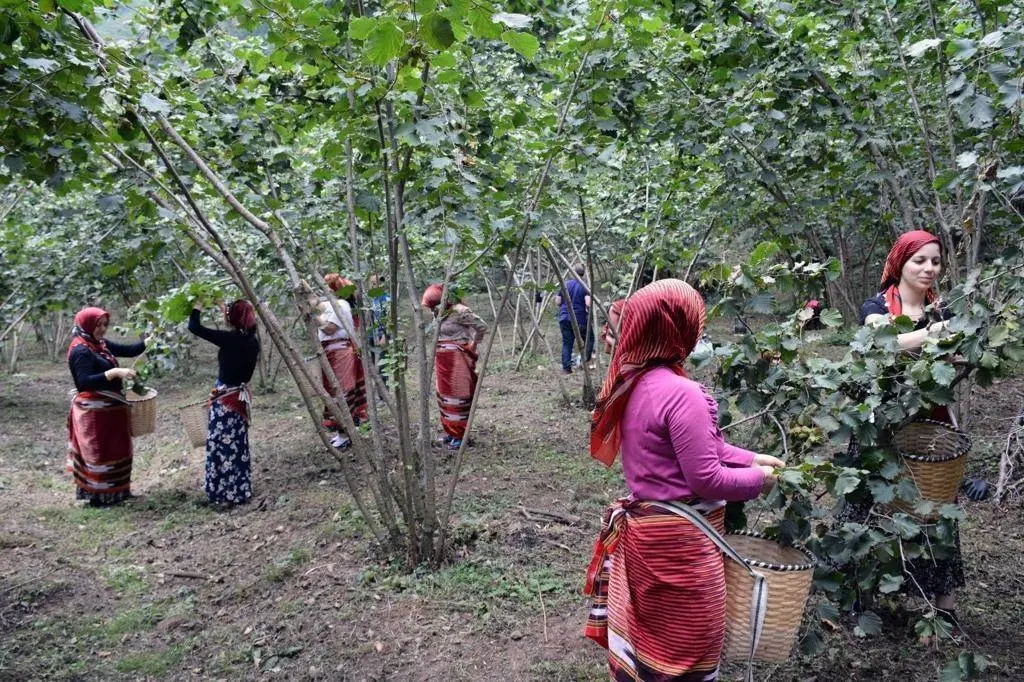
Hazelnut Growing Guide: From Planting to Harvest, Step by Step
A complete guide to growing hazelnuts. Pruning, fertilization, pest control, harvest and market knowledge — everything a hazelnut grower needs on a single page.
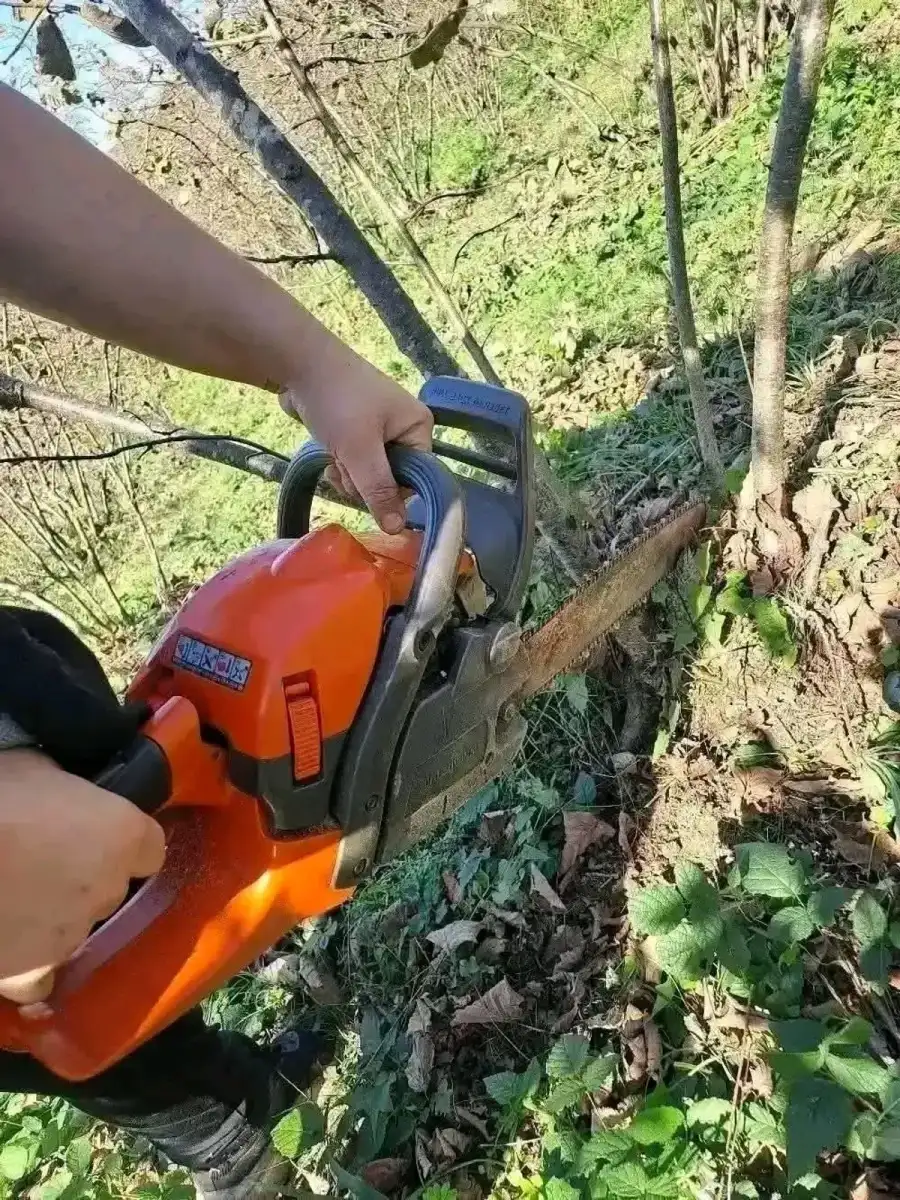
Hazelnut Pruning Guide: Prune Correctly, Harvest More
When to prune hazelnuts, the three pruning types — formative, maintenance and rejuvenation — plus cutting technique, tools, disinfection and the mistakes that cost yield.
More Pest Control Guides
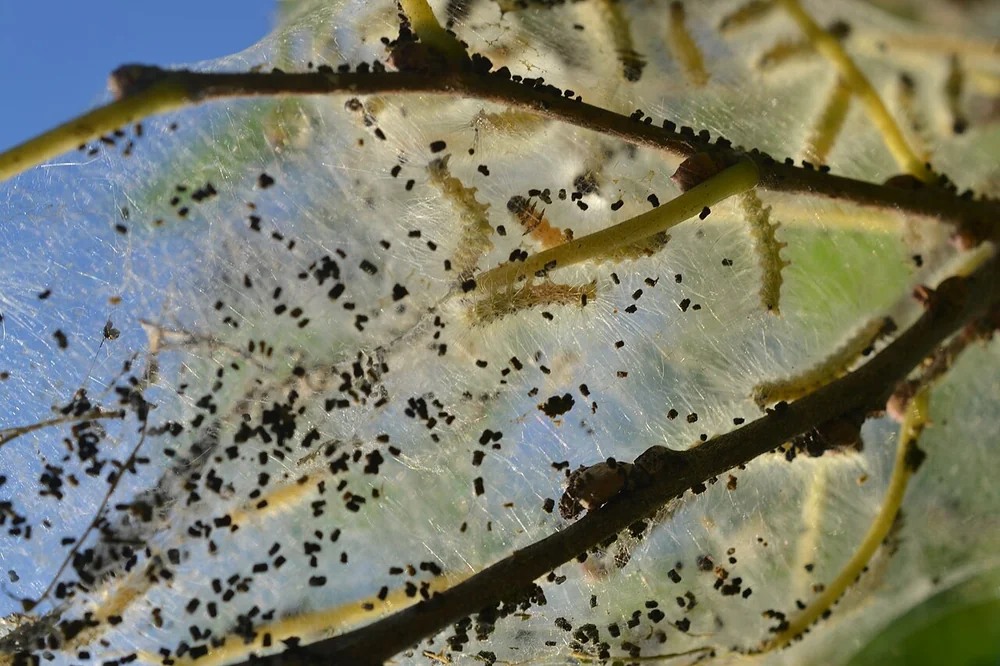
Fall Webworm on Hazelnut (Hyphantria cunea): Web Nests and Control
Fall webworm: silken web nests under the leaves, foliage eaten down to the midrib. Two to three generations a year; spray while the webs are new. Cutting and burning the nests is the most effective method.
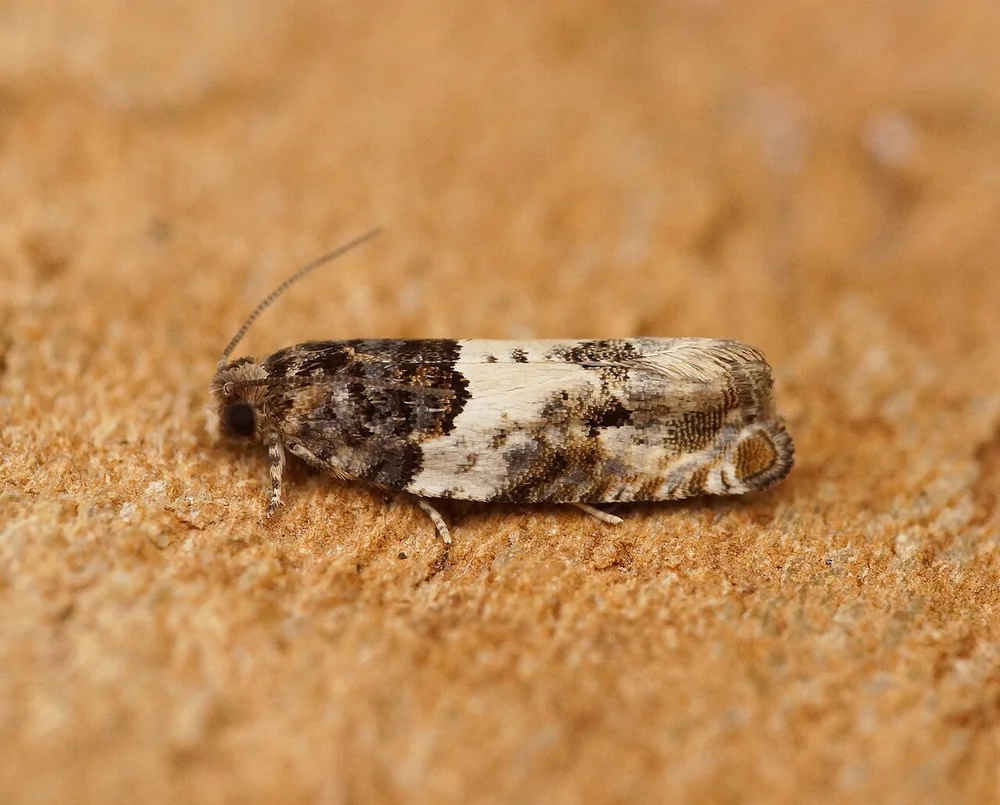
Hazelnut Shoot Moth (Gypsonoma dealbana): Symptoms and Spray Timing
Hazelnut shoot moth: triangular brown patches on the leaf and dying shoots. Spraying is done after harvest, finishing by the end of September. Threshold: 15 feeding marks per 100 leaves.
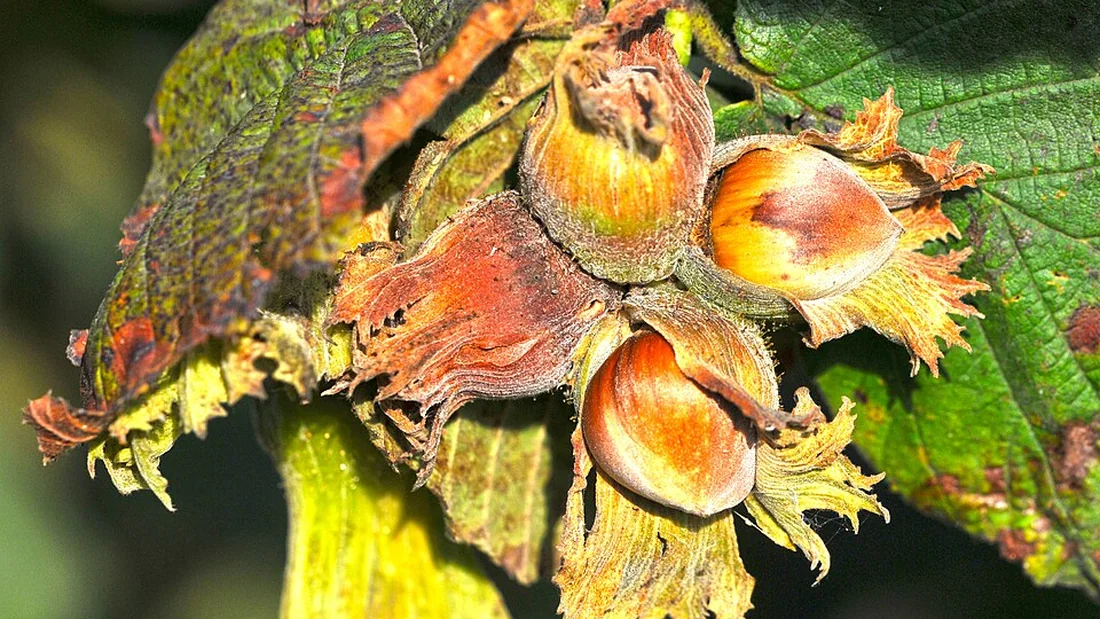
Hazelnut Gall Midge (Mikomyia coryli): Symptoms and Spray Timing
Hazelnut gall midge: galls along the leaf veins, on the husk cluster and at shoot tips. Spray when shoots carry two leaflets, late March to early April, repeated 20 days later. Threshold 50% infestation.
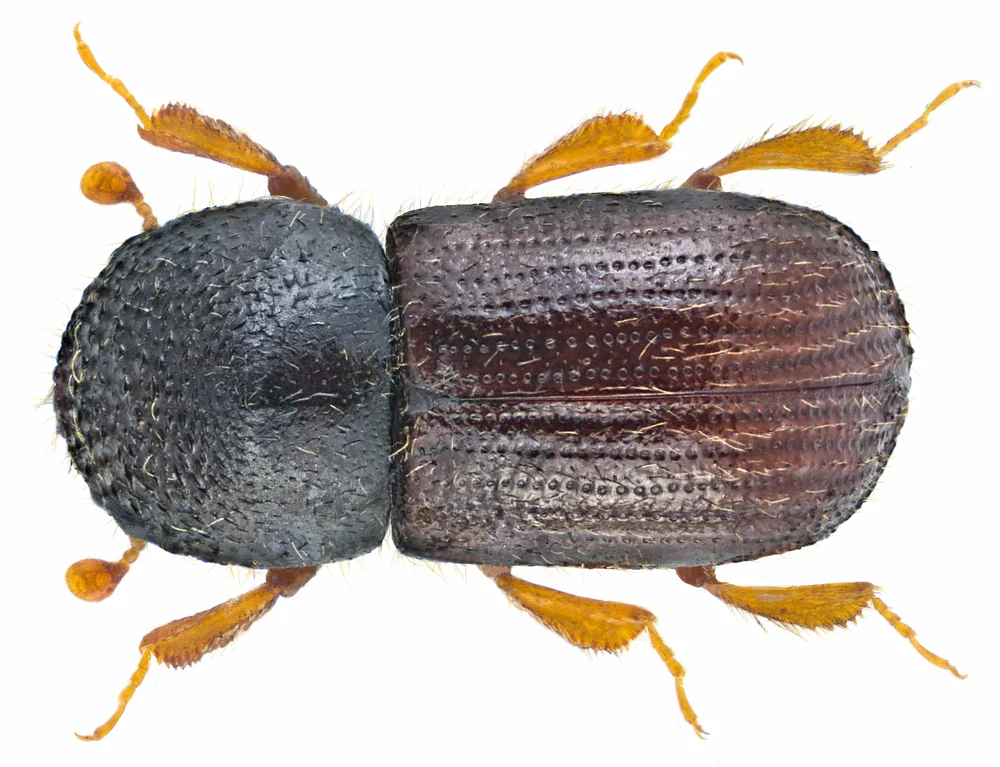
Hazelnut Shot-Hole Borer (Xyleborus dispar): Symptoms, Traps and Spray Timing
Hazelnut shot-hole borer / dalkıran (Xyleborus dispar): 2 mm holes in the branch and seeping sap. When to hang red sticky traps, why the spray goes on in early July, and why whole bushes die.