 Fındık
 Your garden guide, your agricultural job platform
Everything you need from hazelnut garden care to finding seasonal work.
This Month in Your Garden — September 2026
Recently Added Guides
All Guides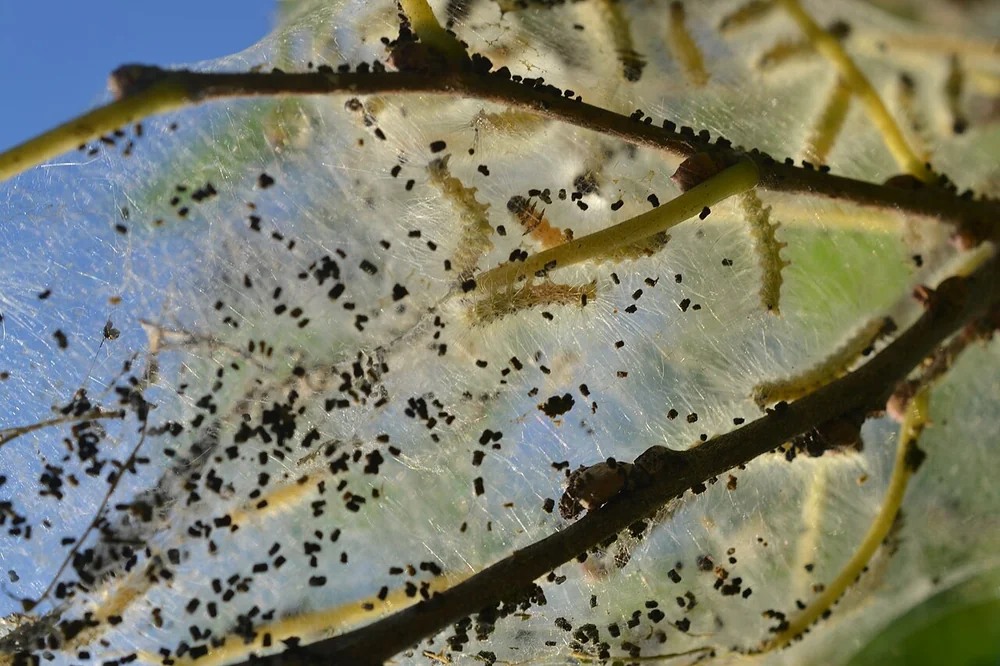
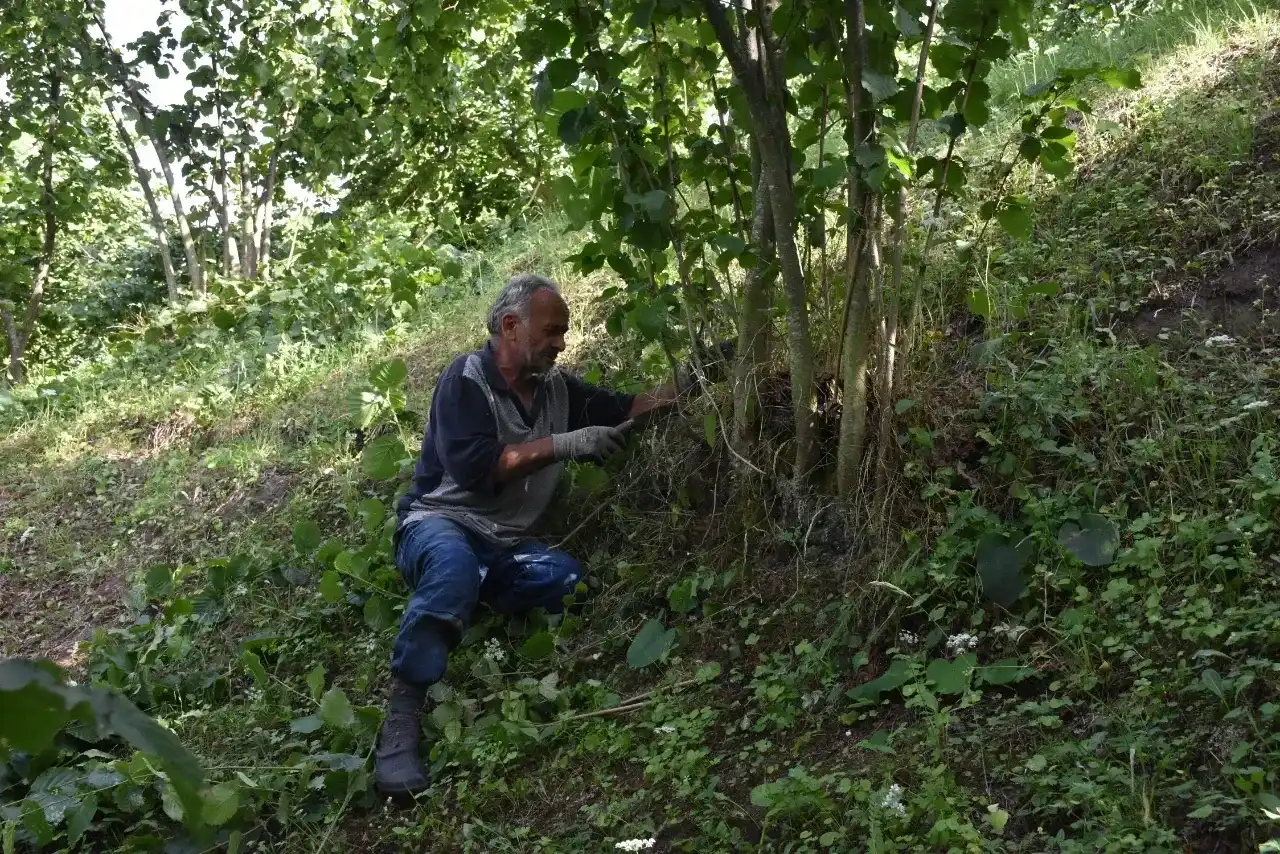
Fall Webworm on Hazelnut (Hyphantria cunea): Web Nests and Control
Fall webworm: silken web nests under the leaves, foliage eaten down to the midrib. Two to three generations a year; spray while the webs are new. Cutting and burning the nests is the most effective method.
August 27, 2026
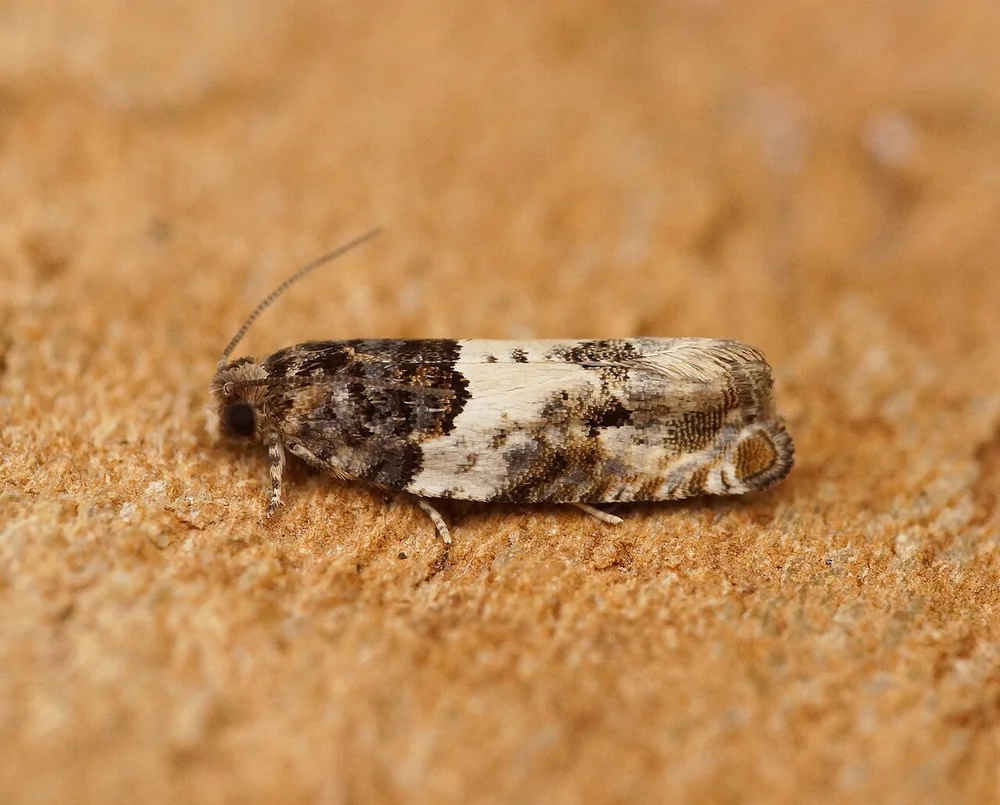
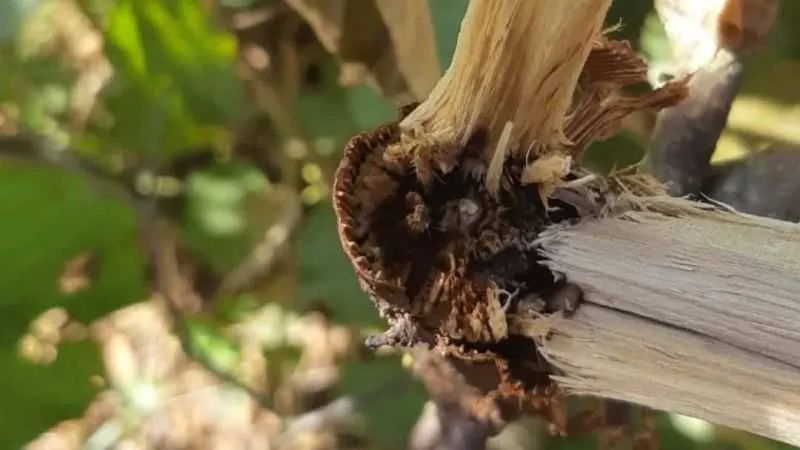
Hazelnut Shoot Moth (Gypsonoma dealbana): Symptoms and Spray Timing
Hazelnut shoot moth: triangular brown patches on the leaf and dying shoots. Spraying is done after harvest, finishing by the end of September. Threshold: 15 feeding marks per 100 leaves.
August 27, 2026
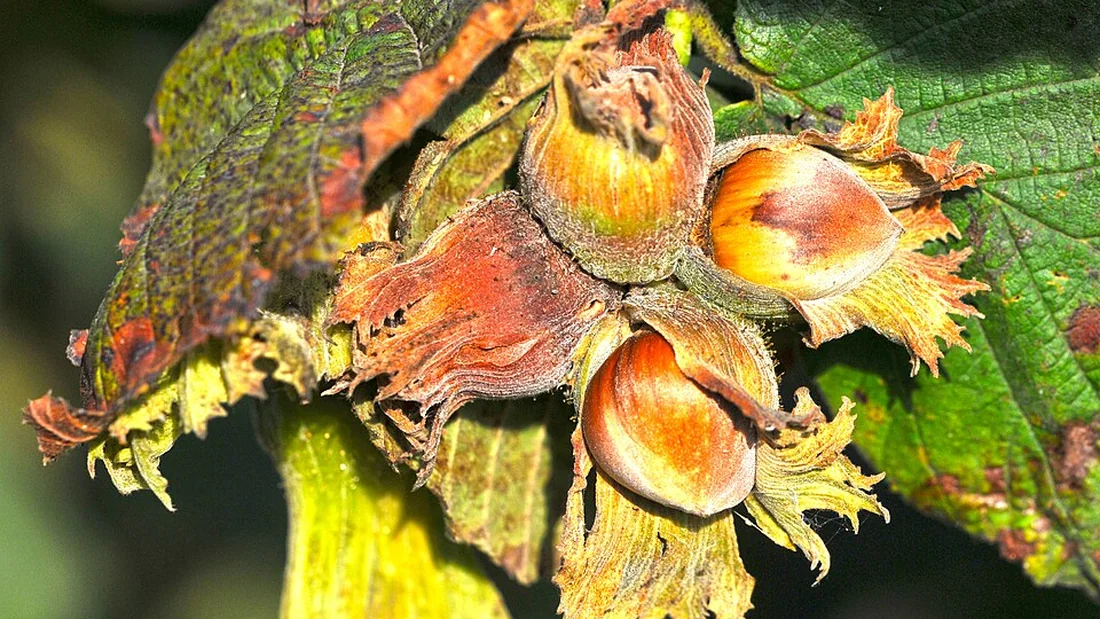
Hazelnut Gall Midge (Mikomyia coryli): Symptoms and Spray Timing
Hazelnut gall midge: galls along the leaf veins, on the husk cluster and at shoot tips. Spray when shoots carry two leaflets, late March to early April, repeated 20 days later. Threshold 50% infestation.
August 27, 2026
Findik App
Agricultural workers and employers meet on one platform. Post listings, apply, and message.
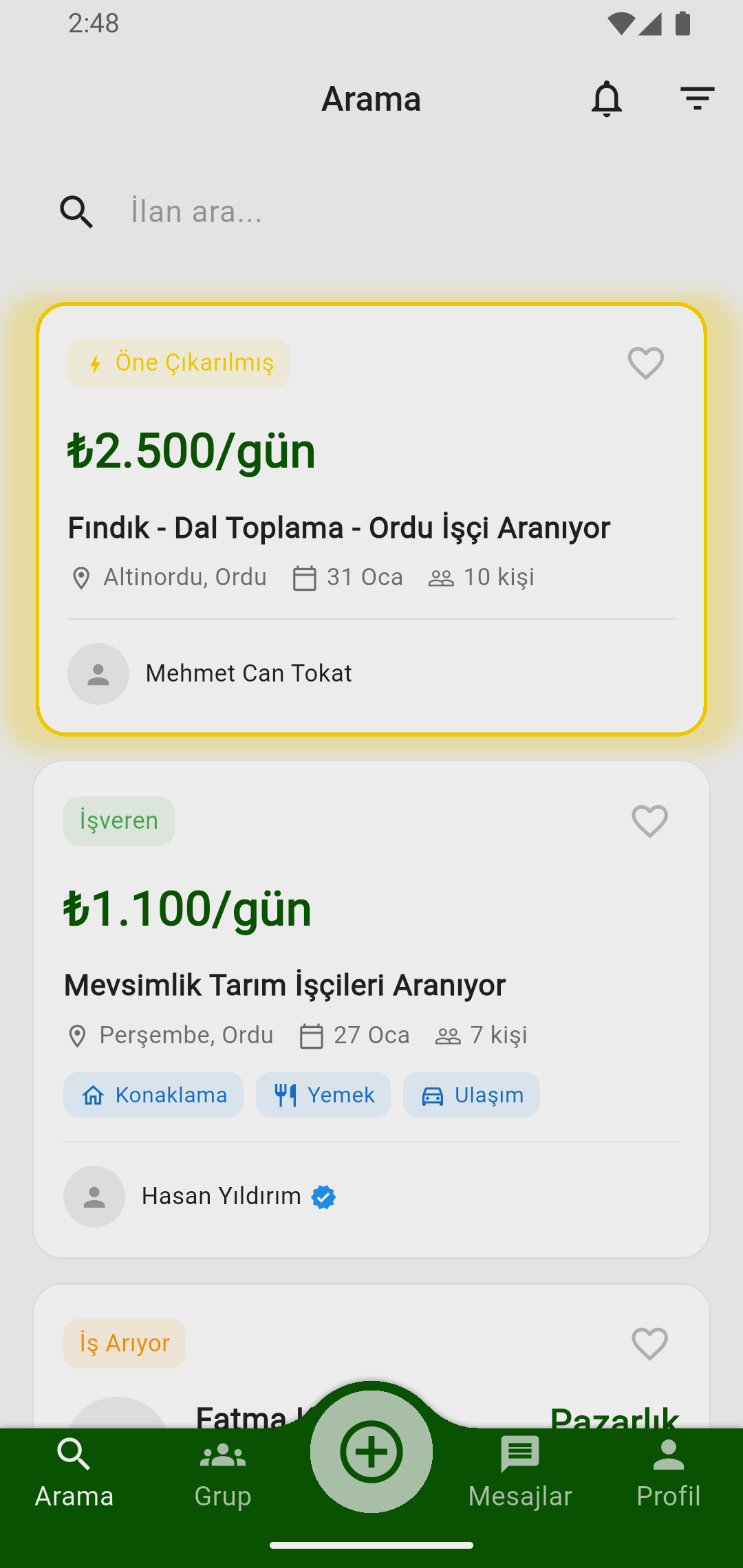
Behind Findik: a hiring app and a hazelnut growing library
Findik began with a very ordinary problem. In hazelnut country, a grower who needs twelve pickers for the second week of August still finds them by word of mouth — a call to a cousin, a message passed along at the tea house. The Findik mobile app turns that chain into a listing with the terms written down: how many people are needed, on which dates, at what daily wage, and whether accommodation and meals are provided. Anyone looking for seasonal work browses the listings in their own district, knows the conditions before setting off, and applies in a single tap. Posting a listing is free, and so is applying. See how the app works.
This site is the other half of the project. My Garden is a growing library on hazelnut cultivation, arranged the way a season actually runs. The care calendar goes month by month — winter pruning and sucker removal, the frost-risk weeks of spring, soil work, then harvest and drying in late summer. Care and pruning treats canopy management, irrigation and harvest practice at greater length.
The deepest part of the library is fertilization. Instead of one catch-all article, each product gets its own page: the nitrogen sources — urea 46-0-0, ammonium sulfate 21-0-0, ammonium nitrate, calcium ammonium nitrate — and how differently they behave on the naturally acidic soils of the Black Sea coast; phosphorus through DAP and urea phosphate; potassium sulfate for kernel filling; the micronutrients boron and zinc, whose deficiency limits yield more often than growers expect; farmyard manure, organomineral products and foliar feeding; and liming, which decides how much of everything else the tree can actually take up. The starting point is always the same — soil and leaf analysis — and a year-round fertilization program pulls the separate applications into one schedule.
Diseases and pests follow the same layout: what you are looking at, when it shows up, what to do and when to spray. Powdery mildew gets a guide of its own, focused on Erysiphe corylacearum, the species that spread through Turkish orchards after 2016 and has since been reported from Italy and Georgia. Bacterial blight, branch canker, root rot and hazelnut mosaic virus each get their own guide, as does the citrus long-horned beetle.
Every figure, rate and date on this site is traced back to a primary source — the Turkish Ministry of Agriculture and Forestry, the Hazelnut Research Institute in Giresun, provincial directorates, or peer-reviewed research. Those sources are listed with working links at the foot of each article, and the publication date together with the date of the last revision sits at the top, so you can judge how current a page is before relying on it. One caveat we repeat deliberately: nothing written here replaces a soil test. Rates given per tree or per decare are starting values from regional trials; the number that fits your own orchard comes from your analysis and from your local agricultural directorate. Short answers to the questions we get most often are collected on the FAQ page.