
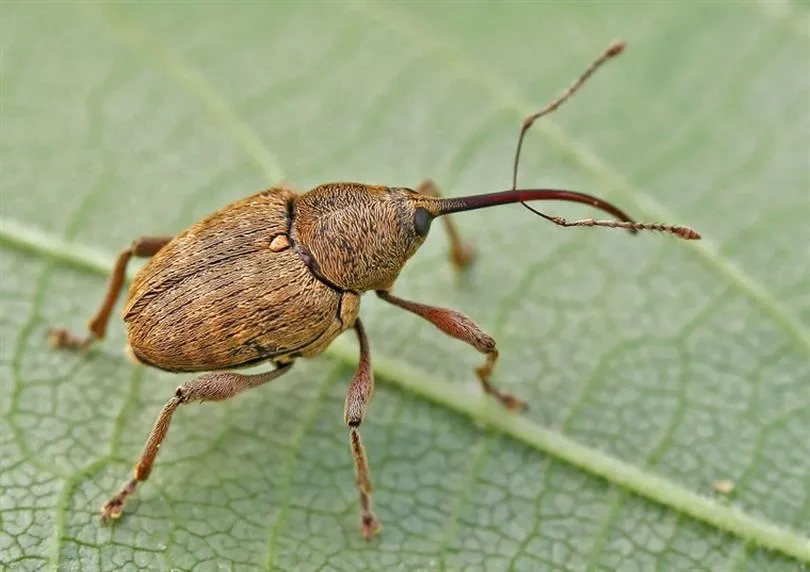
What Is the Hazelnut Weevil?
The hazelnut weevil (Curculio nucum, formerly known as Balaninus nucum) is a beetle species and the most important pest of hazelnuts. The adult beetle is brownish in color, roughly 6-9 mm long, and is recognized by its characteristic long rostrum (snout). Using its rostrum, the female bores a hole into the young hazelnut fruit and lays its egg inside. The larva that hatches from the egg develops by eating the kernel of the nut.
Left unchecked, the hazelnut weevil can push crop losses up to 30-50%. Timely control is therefore of vital importance.
Life Cycle
The hazelnut weevil produces one generation per year. The adult beetles emerge from the soil in May-June, lay their eggs and die. The larvae feed inside the nut, fall to the ground in August and enter the soil, where they remain in the pupal stage for 1-2 years.
Damage Symptoms
Externally Visible Symptoms
Recognizing hazelnut weevil damage from the outside is not always easy. The signs to watch for:
- Small hole in the shell: The pinhead-sized hole bored by the adult beetle to lay its egg (entry hole)
- Larger exit hole: The round hole, 2-3 mm in diameter, that the mature larva makes when it leaves the nut
- Premature drop: Infested nuts may fall from the branch early
- Husk discoloration: On infested fruit the husk browns prematurely
Internal Damage
When the nut is cracked open, the signs of internal damage are clearly visible:
- Presence of a larva: A whitish, legless larva curled into a C shape inside the nut
- Larval frass: Brown, sawdust-like frass residue inside the nut
- Eaten kernel: The kernel is partially or completely eaten, leaving an empty shell
- Mold: Mold growth caused by the larval entry point
Life Cycle
Adult Stage (May-June)
Adult hazelnut weevils begin to emerge from the soil from the second half of May onward. The emergence date varies according to the region and soil temperature.
- Mid-May: The first adults emerge from the soil
- Feeding: They feed on young hazelnut fruit and leaves
- Mating: Mating takes place in June
- Egg laying: Using its rostrum, the female bores a hole into the young hazelnut fruit and generally lays one egg
- Adult lifespan: Approximately 2-3 months
Critical Timing
In spraying, timing is everything. The spray must be applied after the adult beetles have emerged from the soil and before they lay their eggs. Once the egg has been laid inside the nut, chemical control remains ineffective.
Larval Stage
The larva that hatches from the egg feeds and grows inside the nut:
- Incubation: The egg hatches within 7-10 days
- Feeding: The larva develops over 4-6 weeks by eating the kernel of the nut
- Emergence: The mature larva bores a hole in the shell and leaves the nut (August-September)
- Entry into the soil: The larva that falls to the ground immediately enters the soil
Overwintering (Pupal Stage in the Soil)
The most remarkable feature of the hazelnut weevil is that it can remain in the soil for a long time:
- The larva pupates at a soil depth of 5-20 cm
- The pupal stage generally lasts 1 year, but some individuals can remain in the soil for 2 years
- For this reason, even if spraying was carried out in one year, beetles may still emerge from the soil the following year
- Continuous control is required; spraying in a single season is not enough
Control Methods
Chemical Control
The most effective method against the hazelnut weevil is chemical spraying carried out at the right time.
1st spray (late May - early June):
- Applied during the emergence period of the adult beetles
- When the nuts in the orchard have reached nut size (chickpea size)
- The entire canopy must be thoroughly wetted
2nd spray (if necessary, 15-20 days later):
- Repeat application in heavily infested orchards
- 15-20 days after the first spray
For the detailed spray program, see our spray schedule.
Mechanical Control
Methods applied in support of chemical control:
- Collecting prematurely dropped fruit: Collect and destroy nuts containing larvae before they reach the ground
- Cleaning beneath the trees: Gather the infested nuts from the ground and remove them from the orchard
- Shaking: Shake the trees during the period when the adults are active and collect the beetles that fall
Mechanical Control Works
Collecting and destroying prematurely dropped nuts is a simple but effective method. If the larvae inside these nuts are destroyed before they pass into the soil, next year’s population is reduced.
Cultural Measures
Cultural measures must be taken for long-term population control:
- Soil cultivation: Shallow soil cultivation beneath the trees after harvest (September-October) brings the pupae in the soil to the surface and exposes them to their natural enemies (birds)
- Orchard hygiene: Collect the nuts left on the ground after harvest
- Natural enemies: Birds, especially starlings and crows, take hazelnut weevil pupae out of the soil and eat them. Support the bird population
- Regular pruning: An airy tree structure makes it easier to monitor the pest
Spray Timing and Dosage
Licensed products and their dosages for hazelnut weevil control:
| Active Ingredient | Trade Name (example) | Dosage | Application Timing |
|---|---|---|---|
| Lambda-cyhalothrin | Karate, Ninja | 30 ml / 100 l water | Late May - early June |
| Alpha-cypermethrin | Fastac | 30-40 ml / 100 l water | Late May - early June |
| Deltamethrin | Decis | 50 ml / 100 l water | During adult emergence |
| Thiacloprid | Calypso | 20 ml / 100 l water | After flowering |
Spraying Safety
- Always use a mask, gloves and protective goggles while spraying
- Do not spray in windy weather
- Strictly follow the dosages on the product label; more product is not more effective
- Spray outside bee flight hours (early morning or evening)
- Observe the pre-harvest intervals
Important: Product choice and dosages should be updated according to the recommendations of the provincial/district agricultural directorate. The list of licensed products may change from year to year.
Conclusion
The hazelnut weevil is an important pest that causes serious yield losses if it is not controlled in a timely and correct manner. Successful control requires correct timing, regular application and an integrated approach.
In summary:
- Late May - early June is the critical spraying period
- Spray before the adults lay their eggs
- Support chemical control with mechanical and cultural measures
- Carry out control every year; a single year is not enough
- Strictly follow the safety rules for spraying
For the annual spray program against all pests, review our spray schedule. For the whole of hazelnut orchard care, see our hazelnut guide.
📚 Hazelnut Research Institute 📚 Ordu Provincial Agricultural Directorate📚Sources
Related Guides
View all Pest Control guides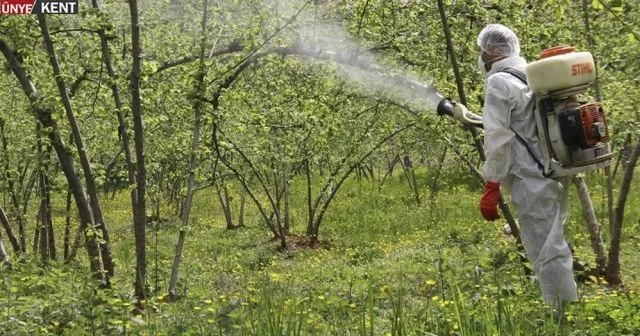
Hazelnut Spraying Calendar: Annual Program for All Pests
Hazelnut orchard spraying calendar: spray timings, dosages and rules against all pests and diseases from February to October.
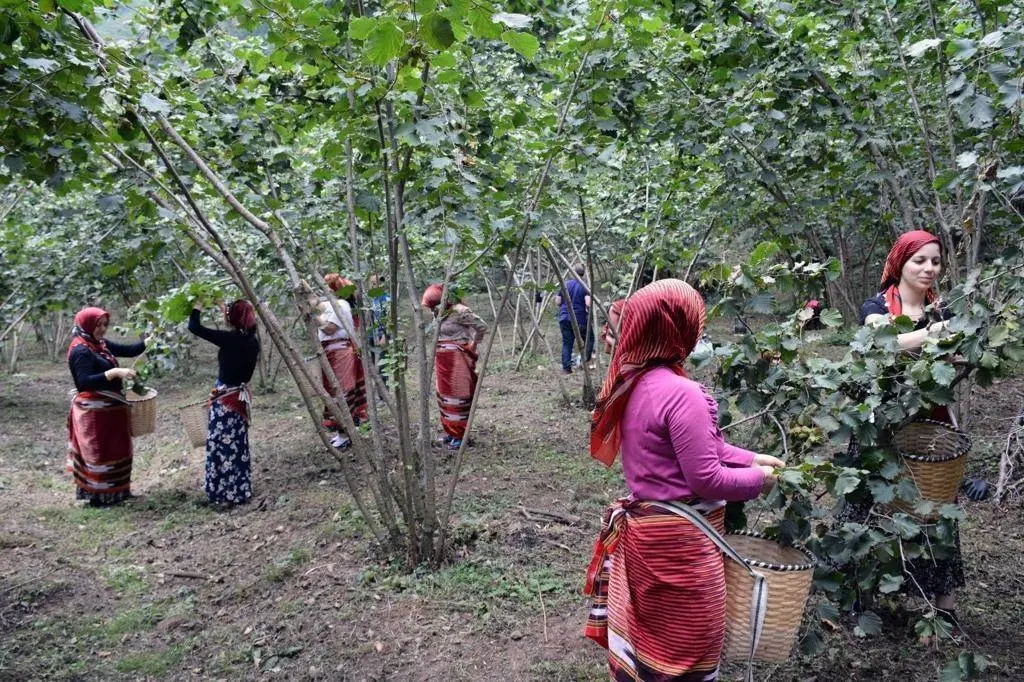
Hazelnut Growing Guide: From Planting to Harvest, Step by Step
A complete guide to growing hazelnuts. Pruning, fertilization, pest control, harvest and market knowledge — everything a hazelnut grower needs on a single page.
More Pest Control Guides
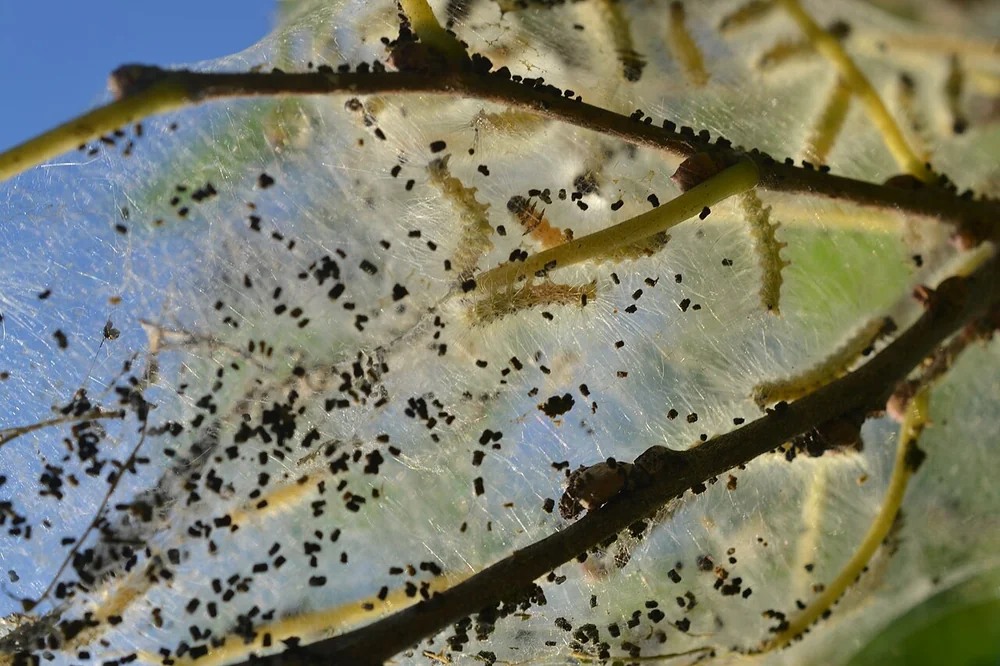
Fall Webworm on Hazelnut (Hyphantria cunea): Web Nests and Control
Fall webworm: silken web nests under the leaves, foliage eaten down to the midrib. Two to three generations a year; spray while the webs are new. Cutting and burning the nests is the most effective method.
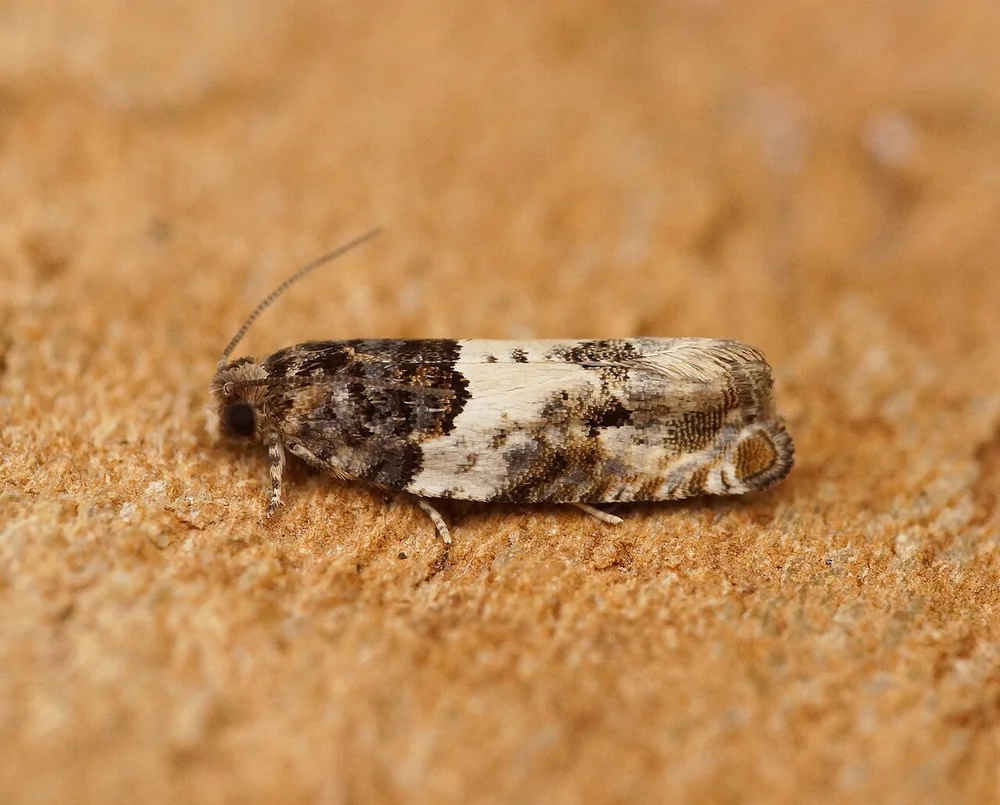
Hazelnut Shoot Moth (Gypsonoma dealbana): Symptoms and Spray Timing
Hazelnut shoot moth: triangular brown patches on the leaf and dying shoots. Spraying is done after harvest, finishing by the end of September. Threshold: 15 feeding marks per 100 leaves.
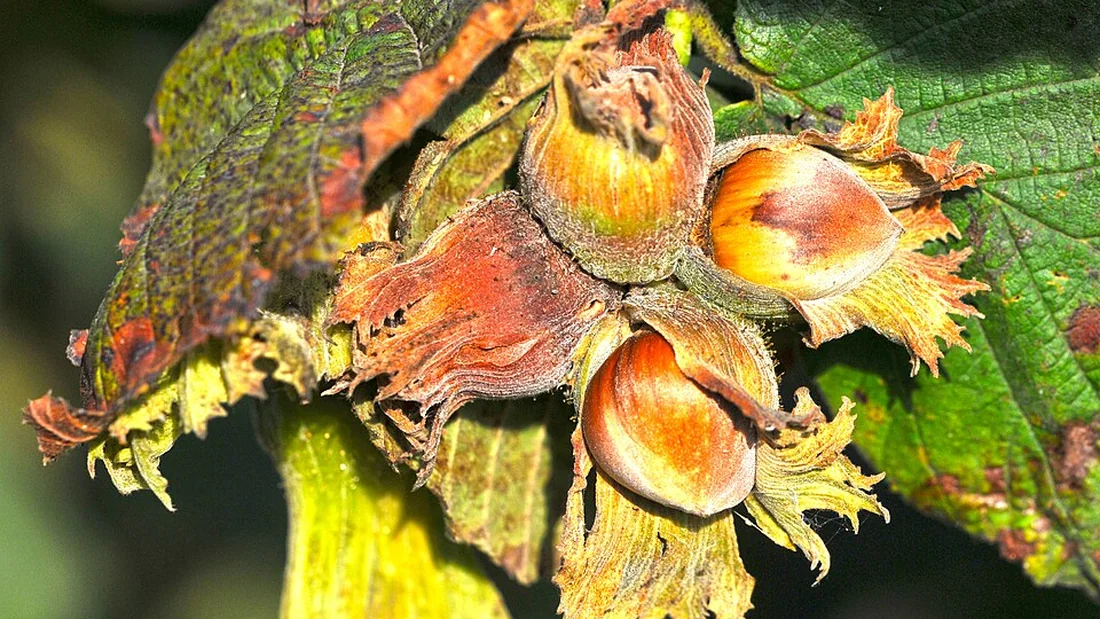
Hazelnut Gall Midge (Mikomyia coryli): Symptoms and Spray Timing
Hazelnut gall midge: galls along the leaf veins, on the husk cluster and at shoot tips. Spray when shoots carry two leaflets, late March to early April, repeated 20 days later. Threshold 50% infestation.
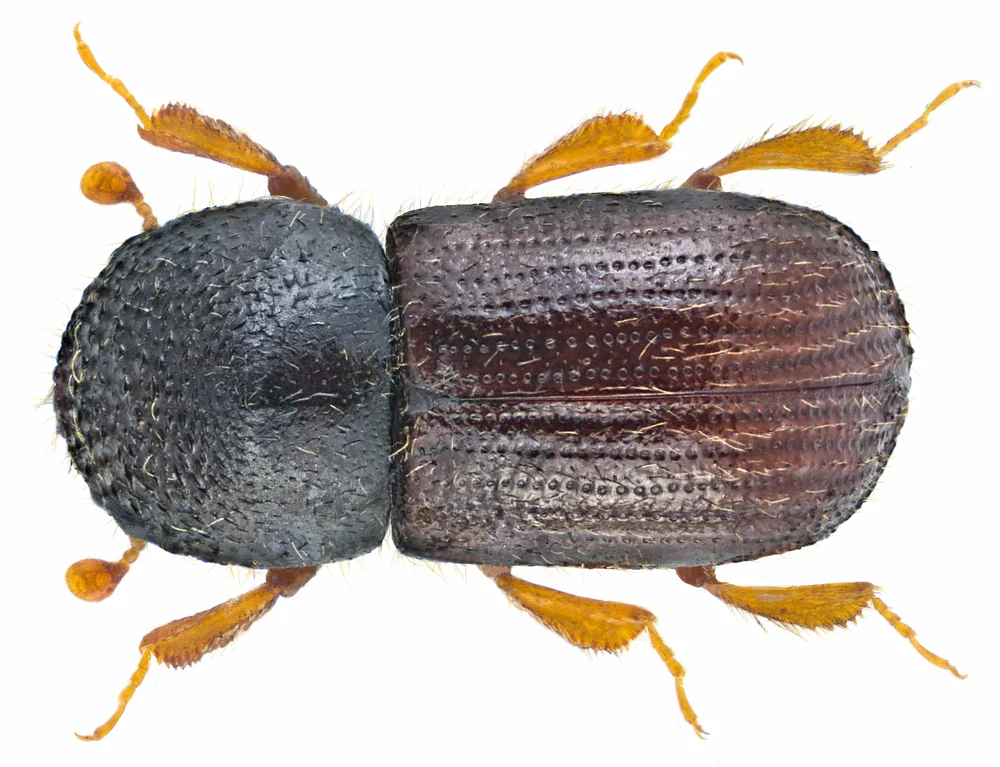
Hazelnut Shot-Hole Borer (Xyleborus dispar): Symptoms, Traps and Spray Timing
Hazelnut shot-hole borer / dalkıran (Xyleborus dispar): 2 mm holes in the branch and seeping sap. When to hang red sticky traps, why the spray goes on in early July, and why whole bushes die.