
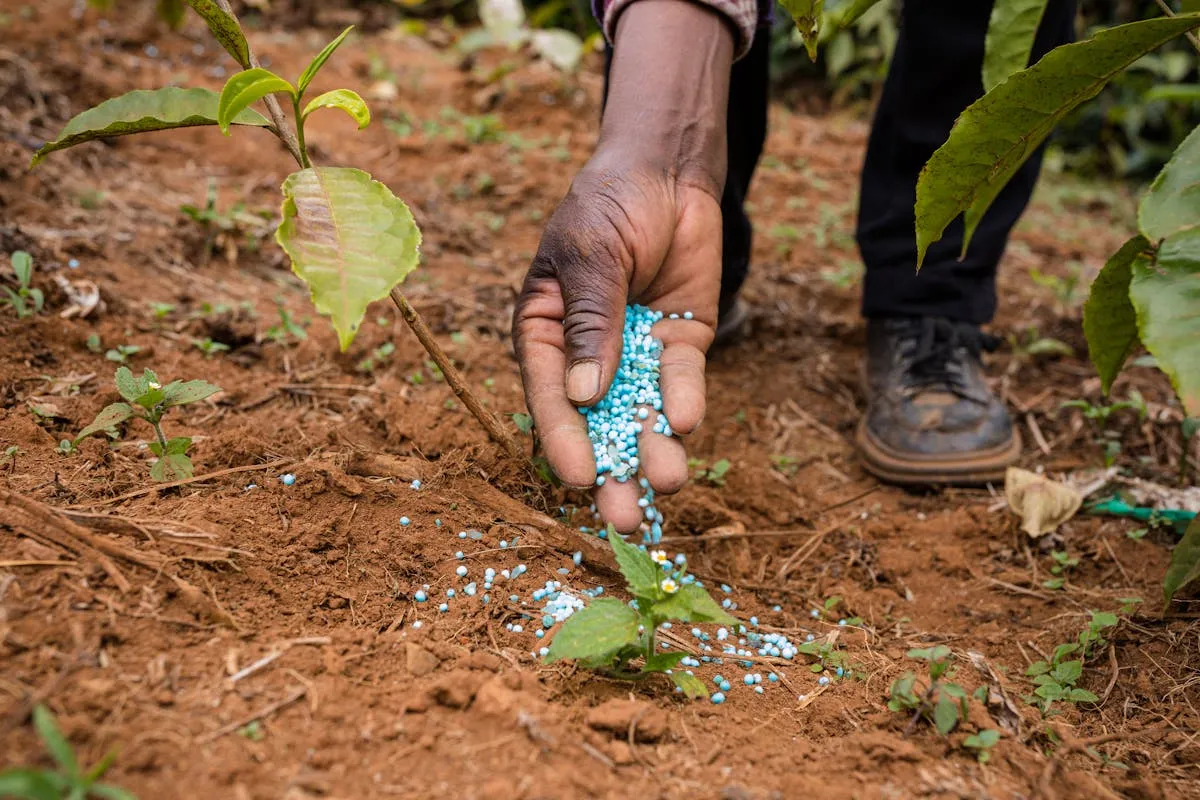
What Is Urea Phosphate 18-44-0?
Urea Phosphate 18-44-0 is a compound fertilizer containing nitrogen and phosphorus in a pure, crystalline form that is fully water-soluble. Produced by IGSAS in Turkey, this fertilizer is a valuable option in hazelnut cultivation because it can supply both nitrogen and phosphorus needs in a single application and is compatible with drip irrigation systems.
The numbers in the formula name indicate the nutrient content:
- 18 → 18% Nitrogen (N), in urea form (NH₂-N)
- 44 → 44% Phosphorus pentoxide (P₂O₅), in water-soluble form
- 0 → Contains no potassium
Why Is It Called 'Urea Phosphate'?
The nitrogen in this fertilizer is in urea form, not ammonium. This characteristic distinguishes it from conventional DAP (18-46-0) fertilizer. Urea nitrogen first converts to ammonium, then to nitrate in the soil before reaching the plant — providing a longer-lasting nitrogen supply.
Guaranteed Content
| Nutrient | Rate | Description |
|---|---|---|
| Total Nitrogen (N) | 18% | In urea nitrogen form |
| Phosphorus (P₂O₅) | 44% | Neutral ammonium citrate and water-soluble |
| Water-Soluble P₂O₅ | 44% | Entirely plant-available |
| Potassium (K₂O) | 0% | Not included |
How Does It Differ from DAP?
Urea Phosphate 18-44-0 may appear similar to the frequently confused DAP (Diammonium Phosphate, 18-46-0) fertilizer, but it is a distinctly different product.
| Feature | Urea Phosphate (18-44-0) | DAP (18-46-0) |
|---|---|---|
| Phosphorus content | 44% P₂O₅ | 46% P₂O₅ |
| Nitrogen form | Urea nitrogen (NH₂-N) | Ammonium nitrogen (NH₄-N) |
| Physical form | Powder / crystal | Granular |
| Water solubility | Fully soluble | High (but not complete) |
| Drip irrigation | Very suitable | Not suitable |
| Application method | Fertigation, foliar, soil | Basal fertilizer (soil) |
| Packaging | 25 kg | 50 kg |
Which One Should You Choose?
If you have a drip irrigation system → Choose Urea Phosphate 18-44-0 (dissolves completely in water). For traditional soil application → DAP 18-46-0 is more practical (granular form, easy to spread). Both fertilizers meet phosphorus + nitrogen needs; the difference lies in the application method.
Benefits for Hazelnut
Contributions of Phosphorus
Phosphorus is a critical macronutrient for hazelnut trees:
- Root development: Promotes a strong, extensive root system that enhances water and nutrient uptake
- Flowering and fruit set: Supports healthy flower bud formation and pollination
- Energy metabolism: Essential for energy transfer (ATP synthesis) in the plant
- Fruit quality: Improves kernel yield and fill rate
- Cold resistance: Strengthens tree resilience during winter months
Contributions of Nitrogen
- Leaf development: Promotes canopy growth, increasing photosynthetic capacity
- Shoot growth: Supports the development of new branches and shoots
- Protein synthesis: Positively affects the protein content of hazelnut kernels
- Chlorophyll production: Maintains the healthy green color of leaves
Specific Advantages of Urea Phosphate
- Dual nutrition: Partially meets both nitrogen and phosphorus needs with a single fertilizer
- Complete solubility: Ideal for drip irrigation and fertigation systems
- Rapid effect: Reaches the plant quickly because it dissolves in water
- Flexible application: Can be applied through soil, drip irrigation, or foliar spraying
- Economical: Delivers two nutrients with a single fertilizer, reducing labor costs
Application Timing in Hazelnut
| Period | Month | Application Type | Description |
|---|---|---|---|
| Winter basal fertilization | November - February | Soil application | Main application period for phosphorus needs |
| Spring fertilization | Late February - March | Soil / Drip irrigation | Nitrogen + phosphorus supplement during bud swelling |
| Vegetation period | April - June | Drip irrigation (fertigation) | Regular feeding during fruit development |
Timing Warning
Phosphorus fertilizer application in hazelnut is generally done once every 3 years (based on soil analysis results). Applying phosphorus every year creates unnecessary costs and can cause excessive phosphorus buildup in the soil. Determine your orchard’s actual needs through our soil analysis guide.
Application Methods
Soil Application
Steps for traditional application:
- Dig 16-32 holes around the canopy drip line of hazelnut bushes to a depth of 15-25 cm
- Divide the calculated fertilizer amount equally among the holes
- Cover the holes with soil
Why should it be buried in the soil? The nitrogen in Urea Phosphate is in urea form. Urea nitrogen left on the soil surface evaporates into the air (as ammonia gas). Therefore, the fertilizer must always be incorporated into the soil at a depth of 5-10 cm.
Drip Irrigation Application (Fertigation)
The greatest advantage of Urea Phosphate is its complete water solubility. It can be applied directly through the drip irrigation system:
- Add the fertilizer to the irrigation water gradually
- Apply the fertilizer in the middle of the irrigation cycle (flush with clean water before and after)
- Regular applications can be made every 15-20 days during the growing season
- Fertilizer use efficiency is 20-30% higher compared to soil application
Foliar Application
Can also be applied as a foliar spray for emergency intervention when phosphorus deficiency symptoms appear:
- Concentration: Prepare a 1-2% aqueous solution
- Timing: Early morning or evening hours (to prevent leaf burn)
- Caution: Check compatibility if applying together with pesticides
Dosage Calculation
General Formula
Dosage calculation should be based on soil analysis results. Example calculation:
Scenario: Soil analysis indicates a need for 8 kg of pure P₂O₅ per decare.
| Calculation Step | Operation | Result |
|---|---|---|
| Fertilizer amount | 8 / 0.44 | 18.2 kg/decare Urea Phosphate |
| Nitrogen provided | 18.2 x 0.18 | 3.3 kg pure N |
| Remaining nitrogen need | 20 - 3.3 | 16.7 kg pure N (with a separate fertilizer) |
Remaining Nitrogen Need
The 3.3 kg of nitrogen provided by Urea Phosphate covers only a portion of the hazelnut tree’s annual requirement (20-24 kg/decare). The remaining nitrogen need should be supplemented with urea (46% N) or ammonium nitrate (33% N) during the March and May-June periods. See our fertilization program guide for details.
Dosages Based on Different Needs
| Soil Analysis Result | Urea Phosphate per Decare | P₂O₅ Provided | N Provided |
|---|---|---|---|
| Phosphorus very low (< 3 ppm) | 20-25 kg | 8.8-11 kg | 3.6-4.5 kg |
| Phosphorus low (3-6 ppm) | 12-18 kg | 5.3-7.9 kg | 2.2-3.2 kg |
| Phosphorus medium (6-15 ppm) | 5-10 kg | 2.2-4.4 kg | 0.9-1.8 kg |
| Phosphorus sufficient (> 15 ppm) | Not required | — | — |
Phosphorus Deficiency Symptoms
If you observe the following symptoms in your hazelnut orchard, there may be a phosphorus deficiency:
- Leaves turning from dark green to purplish
- Weakened root development and reduced anchorage of the tree
- Reduced flowering and decreased fruit set
- General growth retardation, stunted shoots
- Decreased kernel yield
- Premature leaf drop
Detect Phosphorus Deficiency Early
By the time phosphorus deficiency symptoms become visible, the tree has already begun to experience significant yield loss. The best approach is to detect the deficiency through soil analysis before symptoms appear.
Key Considerations
Soil Analysis Is Essential
Always conduct a soil analysis before fertilizer application. Unnecessary phosphorus application:
- Causes economic losses
- Phosphorus buildup in the soil blocks the uptake of micronutrients (zinc, iron)
- Leads to environmental pollution (phosphorus leaching into water sources)
Potassium Must Be Applied Separately
Urea Phosphate 18-44-0 contains no potassium. The hazelnut tree’s potassium requirement (critical for fruit quality and disease resistance) must be met with a separate fertilizer. Choose potassium sulfate (50% K₂O); hazelnut is sensitive to chloride, so avoid using potassium chloride.
pH Control
Urea Phosphate has a mildly acidifying effect on soil. This characteristic:
- Is advantageous in alkaline soils (pH > 7) — increases nutrient availability
- Requires caution in acidic soils (pH < 5.5) — may further acidify the soil
- Consult our soil analysis guide for pH monitoring
Storage
- Store in a cool, dry place away from moisture
- Seal opened packages tightly (absorbs moisture and clumps)
- Do not mix with other fertilizers
Conclusion
Urea Phosphate 18-44-0 is an ideal fertilizer choice particularly for hazelnut orchards that use drip irrigation systems. With its complete water solubility, dual supply of nitrogen and phosphorus, and flexible application options, this fertilizer can increase hazelnut yields when used with proper dosage and timing.
In summary:
- Choose Urea Phosphate if you have a drip irrigation system; otherwise, opt for DAP
- Always determine dosage based on soil analysis results
- Phosphorus fertilizer is typically applied once every 3 years
- Incorporate the fertilizer into the soil; do not leave it on the surface
- Meet potassium needs with a separate fertilizer
- Complete remaining nitrogen needs in March and May-June
For the complete annual fertilization calendar, see our fertilization program guide. For soil testing methods, review our soil analysis guide.
📚 IGSAS 📚 Tarfin 📚 Hektas 📚 Hazelnut Research Institute📚Sources
Related Guides
View all Fertilization guides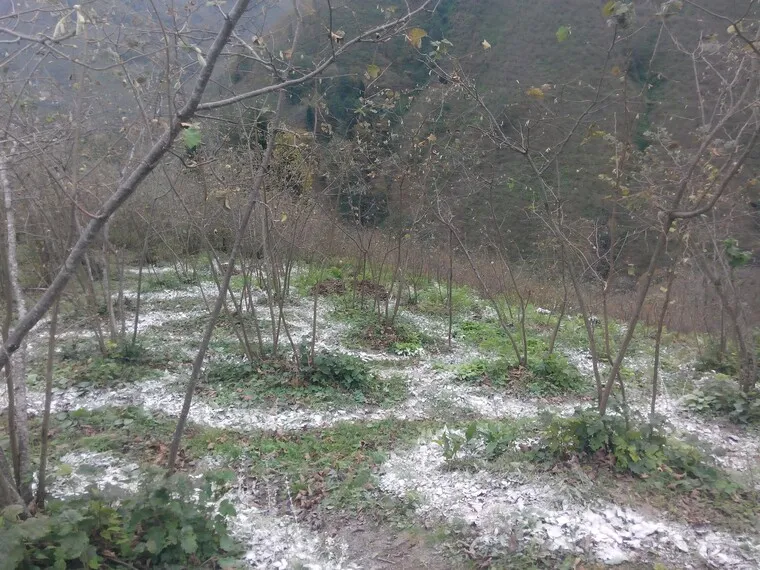
Hazelnut Fertilization Program: Annual Schedule and Application Rates
When to fertilize hazelnuts, which fertilizer types to use, and how much per decare. A practical guide to nitrogen, phosphorus, potassium and organic fertilizer applications.
Soil and Leaf Analysis Guide for Hazelnut Orchards
When to have a soil analysis done in a hazelnut orchard, how to take the sample, and how to read the results. Leaf analysis timing and method explained.
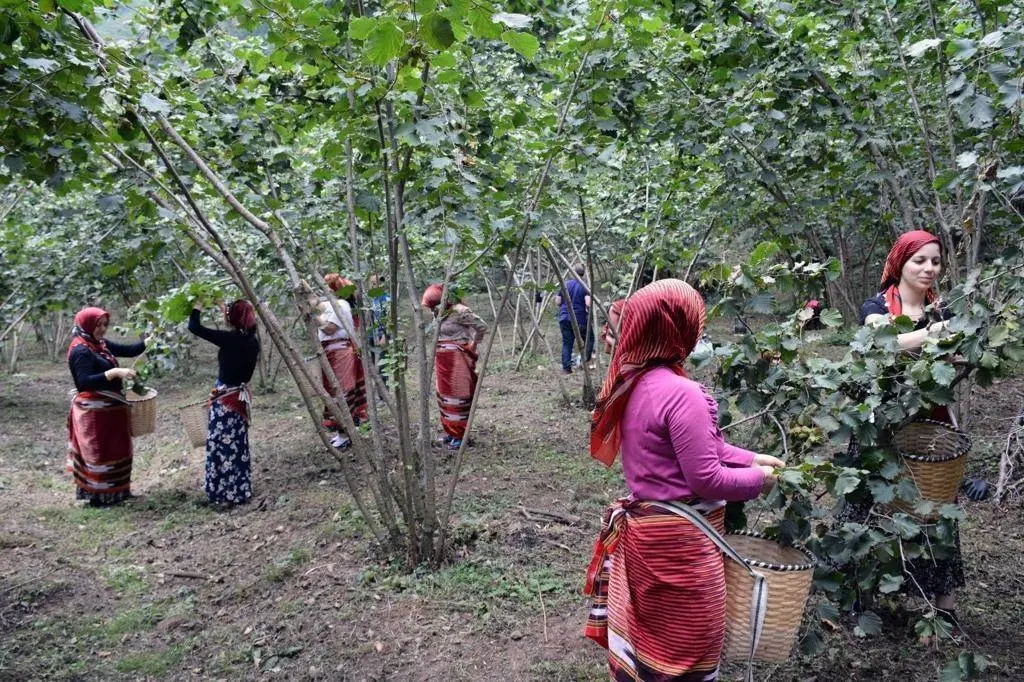
Hazelnut Growing Guide: From Planting to Harvest, Step by Step
A complete guide to growing hazelnuts. Pruning, fertilization, pest control, harvest and market knowledge — everything a hazelnut grower needs on a single page.
More Fertilization Guides
Ammonium Nitrate (33-0-0): Use, Dosage and Leaching Risk in Hazelnuts
What is ammonium nitrate fertilizer and how is it used in hazelnuts? The 16.5% ammonium + 16.5% nitrate balance, how it differs from CAN, behaviour on acid soils, nitrate leaching and dose calculation.
Ammonium Sulfate (21-0-0) Fertilizer: Use in Hazelnuts and the Acidity Risk
What is ammonium sulfate fertilizer, and when and how should it be used in hazelnut orchards? 21% nitrogen + 24% sulfur, dosage logic, soil acidification risk and a comparison with CAN.
Boron Fertilization in Hazelnuts: Blank Nuts, Dosage and Toxicity Risk
What does boron do in hazelnuts, and does a deficiency cause blank nuts? Critical boron values in soil and leaf analysis, soil and foliar application rates, and the risk of boron toxicity.
Farmyard Manure and Organic Matter in Hazelnut Orchards: Building the Foundation
What does farmyard (barn) manure do in a hazelnut orchard, what is well-rotted manure, when and how is it applied? The role of organic matter in holding water and nutrients, husk compost and common mistakes.