
What the Hazelnut Harvest Involves
The hazelnut harvest covers the whole process of gathering the ripe nuts from the orchard, separating them from the husk, drying them and putting them into storage. In Turkey the harvest generally takes place between mid-August and early September. It is the most critical stretch of the year — the point at which a season’s work is finally paid back.
Hazelnut Production in Turkey
Turkey supplies roughly 70% of world hazelnut production, making it the largest producer. An average of 600,000-800,000 tonnes of in-shell hazelnuts are produced each year. During the harvest hundreds of thousands of seasonal workers are employed across the Black Sea region.
The timing, the method and the post-harvest handling all feed directly into nut quality and market value. Harvesting too early raises the proportion of blank nuts, while leaving it too late brings losses on the ground and a risk of mould.
When to Harvest
Signs of Ripeness
Watch for the following signs when working out your harvest date:
- Husk colour: The green husk starts to turn brown
- Husk opening: The husk tips begin to curl back and open
- Nuts loosening: The nut sits loose in the husk and drops at the lightest touch
- Shell hardness: The in-shell nut is hard and has taken on its mature brown colour
- Natural drop: Nuts start falling from the bush to the ground on their own
A practical test: Shake a branch gently. If the ripe nuts come down easily, the harvest has arrived.
Harvest Dates by Region
Harvest timing changes from one district to the next. Because of differences in altitude, climate and variety, the dates can shift by 1-3 weeks:
| Region | Harvest starts | Harvest ends | Note |
|---|---|---|---|
| Ordu coast | 5-10 August | 25 August | Earliest harvest |
| Giresun coast | 10-15 August | 30 August | Tombul variety |
| Trabzon | 10-15 August | 5 September | Coast-inland difference |
| Duzce / Sakarya | 15-20 August | 10 September | Western region |
| Inland (high altitude) | 20-25 August | 15 September | Late ripening |
Preparing Ahead of the Harvest
Clear the orchard floor at least two weeks before your harvest date and finish organising labour and equipment. Preparations left to the last minute cost you at harvest.
Preparing for Harvest
Clearing the Orchard Floor
The orchard floor needs to be cleared 2-3 weeks before harvest:
- Mowing: Cut or strim the grass under the bushes
- Stones and branches: Pick up loose stones, broken branches and leaf litter
- Drainage check: Level out any areas where water can pool
- Access: Clear the tracks running through the orchard
A clean orchard floor raises picking speed and cuts losses.
Labour and Equipment
Harvest is labour-intensive, and the preparations have to be made on time:
- Finding workers: Agree terms with seasonal harvest crews at least a month in advance
- Equipment check: Get the husking machine, the drying areas and the sacks ready
- Accommodation: Plan lodging and meals for the workers
- Transport: Arrange the vehicles that will move the crop from the orchard to the threshing yard
Finding Workers
Thousands of seasonal workers are needed at harvest time. With the Findik mobile app you can find harvest workers near you within minutes, or put together your own harvest crew.
Harvesting Methods
Picking Up from the Ground
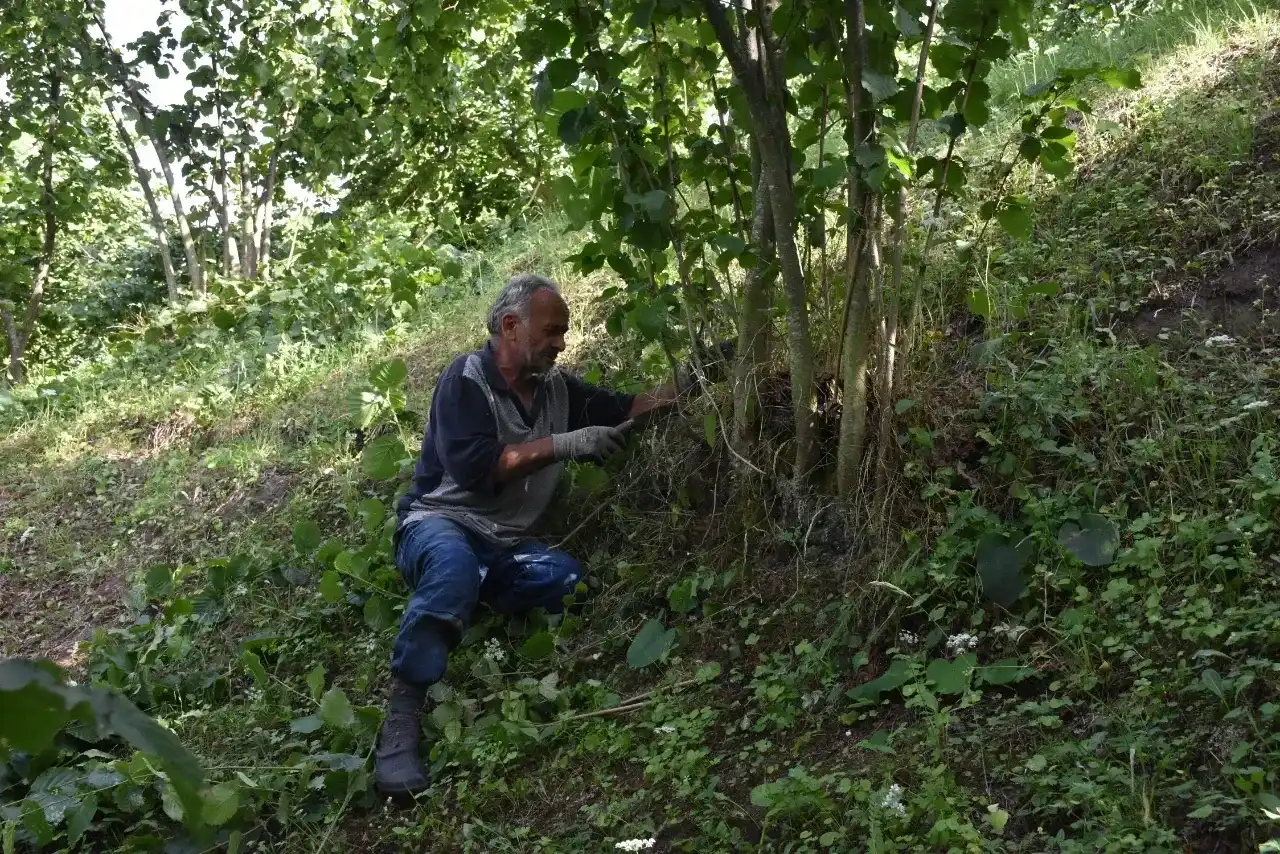
This is the traditional method and the most widely used in Turkey. Nuts that have ripened and fallen are picked up by hand.
Advantages:
- Needs no extra equipment
- Works in any orchard layout
- Only ripe nuts are collected, so quality is high
Disadvantages:
- Labour-intensive and slow
- Tiring, because it means bending all day
- Nuts left on the ground become losses
How it is done: Once the orchard floor has been cleared, workers bend or crouch to gather the nuts. The nuts, still in their husks, are put into sacks and carried to the threshing yard.
Shaking the Bush
Here the bushes are shaken by hand or with a mechanical vibrator to bring the nuts down.
Shaking by hand:
- Branches are gripped and shaken firmly
- Ripe nuts drop while unripe ones stay on the bush
- Spreading a tarpaulin under the bush beforehand makes collection much easier
Mechanical shaking (vibrator):
- A vibrator clamped to the stem shakes the whole plant
- Fast and effective, but the machine is expensive
- Preferred in larger orchards
Machine Harvesting
This is the mechanised method used in large, level orchards.
- Sweeper type: Sweeps the nuts up off the ground
- Vacuum type: Picks the nuts up by suction
- Combined: Shakes and collects in a single pass
Machine harvesting gives a cost advantage in large-scale orchards, but its use is limited on sloping and stony ground.
After the Harvest
Husking (Threshing)
Husking is the process of separating the nut from its green outer husk.
- Husking machine: The most common method. The husked nuts pass through the machine and the in-shell nuts are separated out
- Hand sorting: Used in very small orchards, or for nuts the machine cannot separate
- Timing: Husking must be done within 24-48 hours of picking. Any later and the husk sticks to the nut, pulling quality down
Do Not Delay the Husking
Do not leave the picked crop sitting in sacks. Nuts held inside the husk in warm weather go mouldy and lose quality. Wherever possible, everything picked in a day should go through the husker the same day.
Drying
Drying is a critical step for both nut quality and storage life. The target moisture content is below 6%.
Sun drying (traditional):
- The nuts are spread in a thin layer on a concrete floor or a tarpaulin
- They are turned 2-3 times a day
- Drying takes 3-5 days in sunny weather
- Cover them overnight (to keep the dew off)
Machine drying:
- Purpose-built dryers are used
- Temperature must be set between 40-45°C (higher temperatures damage oil quality)
- The job is finished within 12-24 hours
Checking the drying: Crack a nut open. If the kernel snaps crisply and you cannot feel any moisture, the drying is done.
Storage
Dried nuts have to be stored under the right conditions:
- Moisture content: Below 6% (damp nuts go mouldy)
- Environment: A cool, dry, well-ventilated store
- Packaging: Jute sacks or breathable bags (never use plastic bags)
- Off the floor: On pallets, and 10 cm clear of the walls
- Checks: Inspect regularly for moisture and mould
Conclusion
With the right timing and the right preparation, the hazelnut harvest gives you both a quality crop and real savings in labour and time.
In summary:
- The harvest is ready when the husk has turned brown and the nut has loosened
- Clear the orchard floor 2-3 weeks before harvest
- Put the day’s pick through the husker the same day
- Dry down to 6% moisture
- Store in a cool, well-ventilated place
For a detailed look at every stage of hazelnut growing, see our hazelnut guide. To raise your harvest yield through correct work in the pruning season, take a look at our hazelnut pruning guide.
📚 Hazelnut Research Institute 📚 Hektas📚Sources
Related Guides
View all Care & Pruning guides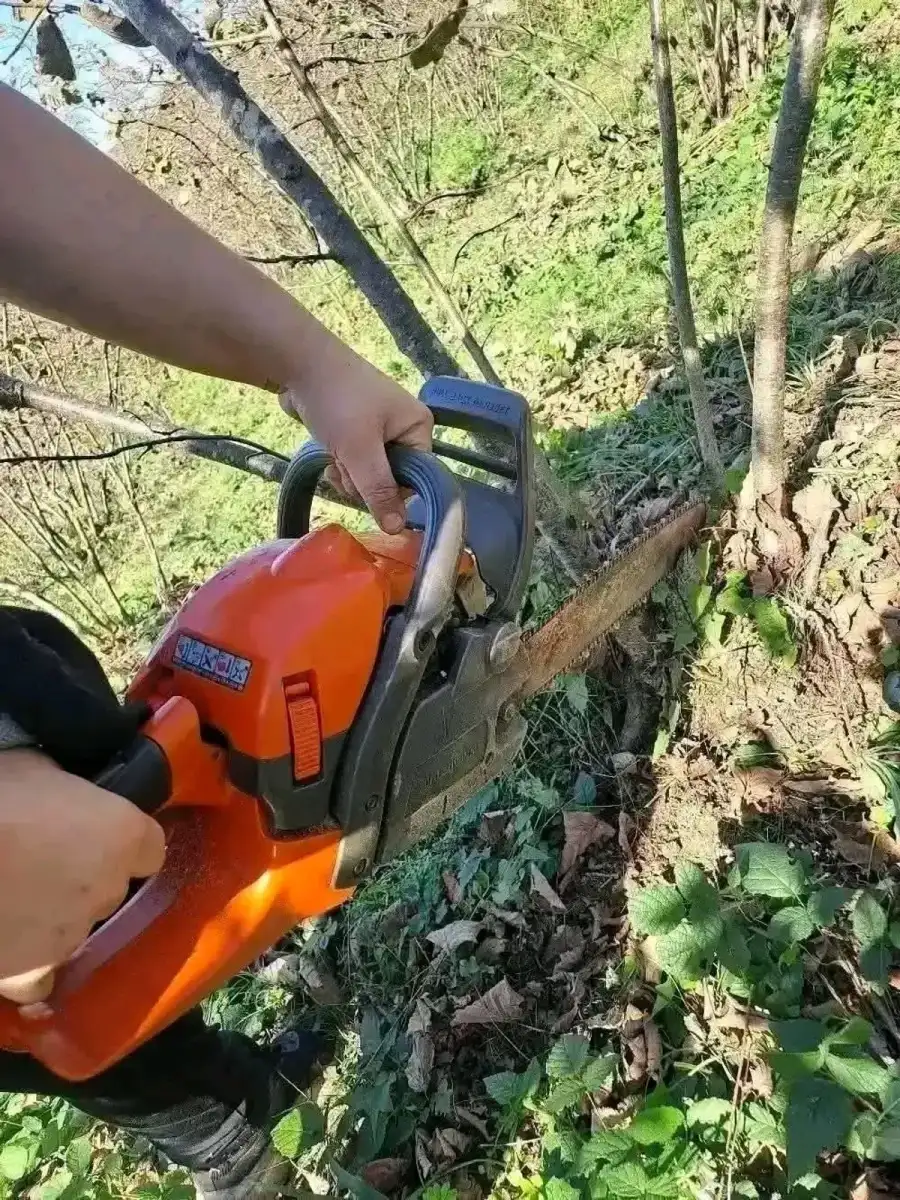
Hazelnut Pruning Guide: Prune Correctly, Harvest More
When to prune hazelnuts, the three pruning types — formative, maintenance and rejuvenation — plus cutting technique, tools, disinfection and the mistakes that cost yield.
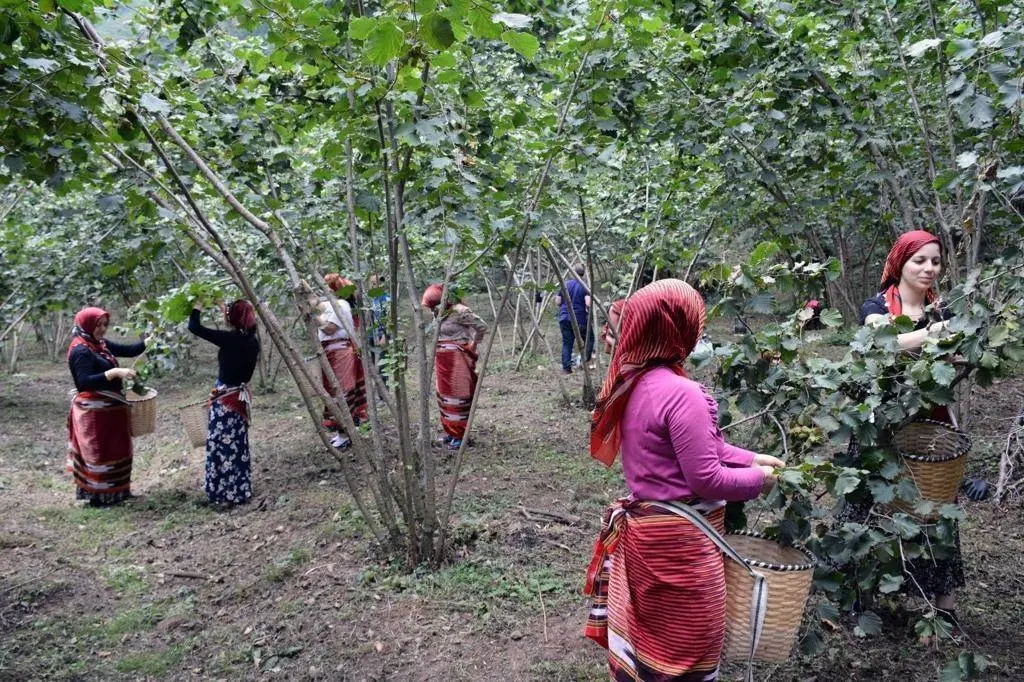
Hazelnut Growing Guide: From Planting to Harvest, Step by Step
A complete guide to growing hazelnuts. Pruning, fertilization, pest control, harvest and market knowledge — everything a hazelnut grower needs on a single page.
More Care & Pruning Guides
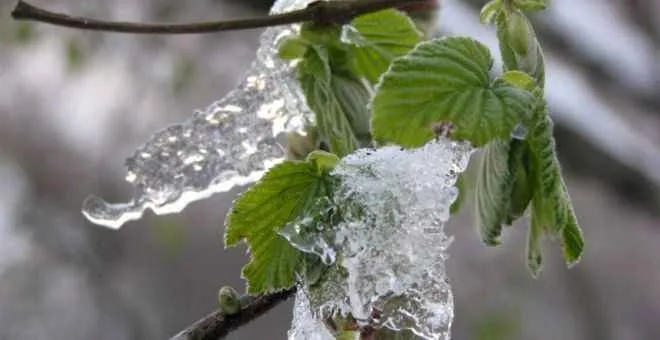
How to Protect Hazelnut Orchards from Frost Damage
Frost protection methods for hazelnut orchards: temperature thresholds, active protection techniques, frost-resistant varieties, and cultural prevention measures.
Hazelnut Pruning Guide: Prune Correctly, Harvest More
When to prune hazelnuts, the three pruning types — formative, maintenance and rejuvenation — plus cutting technique, tools, disinfection and the mistakes that cost yield.
Hazelnut Growing Guide: From Planting to Harvest, Step by Step
A complete guide to growing hazelnuts. Pruning, fertilization, pest control, harvest and market knowledge — everything a hazelnut grower needs on a single page.