
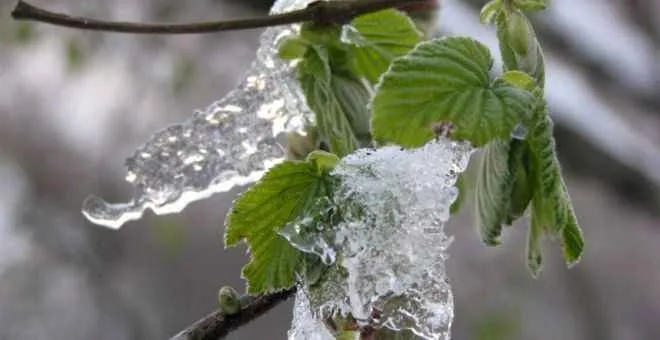
What Is Agricultural Frost?
Agricultural frost is a meteorological event that occurs when air temperature drops below the level plants can tolerate, causing damage to plant tissues. Hazelnut is the most important crop of Turkey’s Black Sea region, and late spring frosts in particular can cause severe yield losses in orchards during the flowering period.
Cold Hardiness of Hazelnut
The cold hardiness of hazelnut plants varies greatly depending on their phenological stage:
- Full dormancy: Can withstand temperatures down to −25°C
- Male flowers (catkins): Killed completely at −8°C
- Female flowers: Killed completely at −16°C
- Shoot and fruit development: Damage begins below 0°C
Signs of Frost Damage
Frost damage manifests in different ways across the various organs of the hazelnut plant.
Flowers
- Male flowers (catkins) turn black and dry out; pollen release ceases
- Stigmas of female flowers turn brown and fail to pollinate
- Frost during the flowering period can wipe out the entire year’s yield
Shoots and Buds
- New shoots wilt from water loss and die back from the tips
- Buds may burst from freezing or die before opening
- Browning is observed beneath the bark tissue
Nuts and Husks
- Small fruits drop or fail to develop fully
- Spotting and discoloration appear on the husks
- Hollow and shriveled kernels develop inside
Critical Period: February–April
The most dangerous frost period for hazelnuts in the Black Sea region is between late February and April. During this time, flowering has begun but fruit set has not yet occurred. A single night of frost can destroy the entire harvest.
Active Protection Methods
Active methods are intervention techniques applied when frost threat is imminent or while frost is occurring.
1. Smoke Method
Smoke-producing materials (stalks, straw, dry grass, wet wood) are burned at various points throughout the orchard to prevent the cooling of the air layer near the ground. The smoke acts as a blanket that slows heat loss.
Application:
- Set up one fire point for every 500–1,000 m² of orchard area
- Start burning when the temperature drops to +2°C on a night when frost is expected
- Maintain the smoke until sunrise and temperatures rise
- Effectiveness decreases on windy nights
2. Sprinkler Irrigation
The latent heat released when water freezes (80 cal/g) keeps the plant surface at around 0°C. This is one of the most effective active protection methods.
Application:
- Sprinklers must be turned on before frost begins
- They must run without interruption until the frost ends and all ice melts
- Applying 2.5–3 mm of water per hour is sufficient
- Shutting off too early can increase damage through evaporative cooling
Sprinkler Warning
Never shut off sprinkler irrigation before the frost has completely passed. Turning it off early causes evaporation from the ice surface, which drops temperatures even further and worsens the damage.
3. Pre-Irrigation (Pre-Frost Watering)
This involves watering the orchard 1–2 days before frost is expected. Wet soil stores significantly more heat than dry soil and slowly releases this heat at night, keeping the soil surface temperature 1–3°C higher.
4. Physical Covering
Covering trees with mats, cloth, or agricultural frost blankets prevents radiative heat loss. This method is particularly effective for young seedlings and compact orchards.
Points to note:
- The cover should not touch the plant directly; use a support frame
- Remove covers during daytime to allow ventilation
5. Air Circulation (Wind Machines)
Large wind machines (frost fans) mounted on tall poles direct warmer air from higher layers down toward the ground. This method is effective against radiation frost, and each fan can protect an area of approximately 4–5 hectares.
6. Direct Heating
Heaters, stoves, or fuel containers placed throughout the orchard directly warm the air. This method requires 100–150 heaters per hectare; it is costly but effective.
Cultural (Passive) Measures
Cultural measures are planning and management practices that reduce frost damage risk over the long term.
Selecting Frost-Resistant Varieties
Variety selection is the most fundamental precaution against frost damage. Late-flowering varieties are less affected by late spring frosts.
| Variety | Flowering Time | Frost Resistance | Notes |
|---|---|---|---|
| Fosa | Late | High | One of the most frost-resistant varieties |
| Cakildak | Late | High | Stands out for its late flowering |
| Tombul | Medium | Medium | The most common variety in the Black Sea region |
| Palaz | Medium-early | Medium-low | Carries risk due to early flowering |
Variety Diversification
By growing multiple varieties in your orchard, you can spread out the flowering period. This reduces the risk of a single frost event destroying the entire harvest. Plant late-flowering varieties like Fosa and Cakildak alongside other varieties.
Fertilizer Management
- Avoid excessive nitrogen fertilization: High nitrogen causes the plant to produce late shoots and increases water content in tissues, raising frost susceptibility
- Apply potassium fertilizer: Potassium increases osmotic pressure in cells, lowering the freezing point and improving the plant’s cold tolerance
- For a balanced fertilization program, see our fertilization program guide
Creating Windbreaks
Dense-branched trees or hedging plants planted along orchard edges can block cold wind currents and keep the orchard temperature 2–3°C higher. The windbreak should be positioned perpendicular to the prevailing wind direction.
Orchard Location and Site Selection
- Avoid low-lying areas: Cold air is heavier and accumulates in depressions (creating frost pockets)
- Choose sloped terrain: Cold air accumulation is prevented on slopes with good air drainage
- South-facing slopes: Receive more sunlight and warm the soil more effectively
Frost Forecasting and Early Warning
Proper timing is critical for effective frost protection. Pay attention to the following factors when forecasting frost:
- Monitor weather warnings: Follow frost alert bulletins from provincial and district agricultural directorates
- Install a thermometer in your orchard: Record overnight temperatures with a minimum-maximum thermometer
- Weather indicators: Clear skies at night, low humidity, calm winds, and sudden pressure changes are harbingers of frost
- Digital sensors: Sensors that continuously measure soil and air temperature enable real-time monitoring
Agricultural Insurance (TARSIM)
Despite all precautions, frost damage can still occur. Through TARSIM (Agricultural Insurance Pool), you can insure your hazelnut orchard against frost, hail, and other natural disasters.
TARSIM Frost Insurance
- Government premium subsidies reduce insurance costs
- Frost damage assessments are conducted by TARSIM experts
- Claims must be filed within 7 days of the damage occurring
- For detailed information: tarsim.org.tr
Conclusion
Agricultural frost is a significant natural hazard that threatens hazelnut production in the Black Sea region. However, with proper planning and timely intervention, damage can be minimized.
In summary:
- Hazelnuts can withstand −25°C during full dormancy, but are highly susceptible to frost damage during the flowering period
- Sprinkler irrigation and the smoke method are the most common active protection techniques
- Late-flowering varieties such as Fosa and Cakildak provide natural protection against spring frosts
- Avoid excessive nitrogen fertilization and increase the plant’s cold tolerance through potassium fertilization
- Monitor weather warnings and install a thermometer in your orchard
- Secure potential losses with TARSIM insurance
For all aspects of hazelnut care, check our hazelnut guide. For winter care details, see our January and February care calendars.
📚 Samsun Provincial Directorate of Agriculture and Forestry 📚 Hazelnut Research Institute 📚 Ordu Provincial Directorate of Agriculture and Forestry📚Sources
Related Guides
View all Care & Pruning guides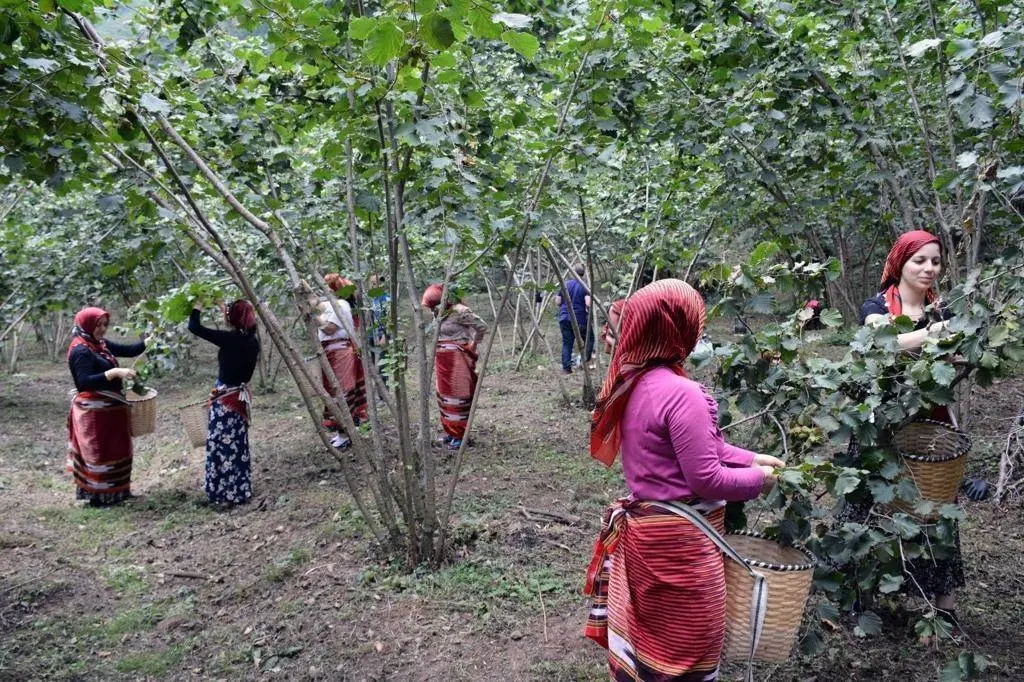
Hazelnut Growing Guide: From Planting to Harvest, Step by Step
A complete guide to growing hazelnuts. Pruning, fertilization, pest control, harvest and market knowledge — everything a hazelnut grower needs on a single page.
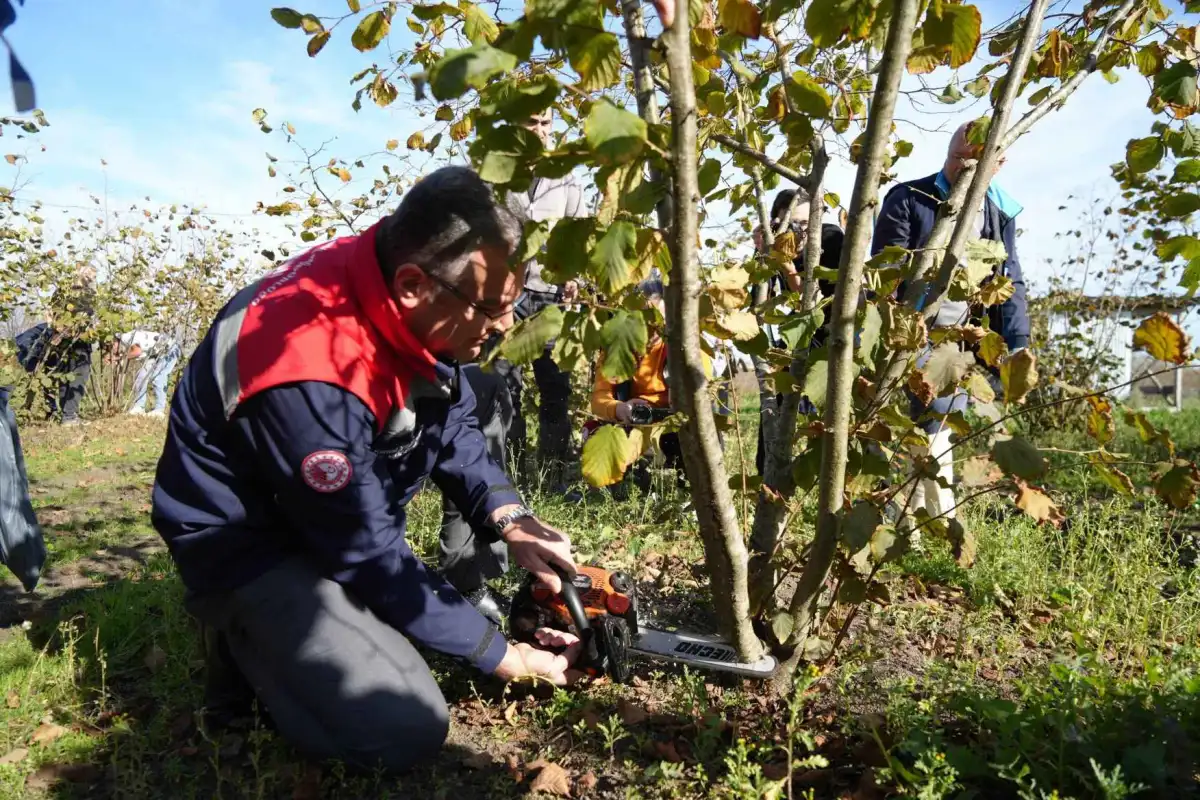
February Hazelnut Care Guide
Pruning, fertilization, pest spraying and pollination monitoring in the hazelnut garden in February. Guide supported by official sources.
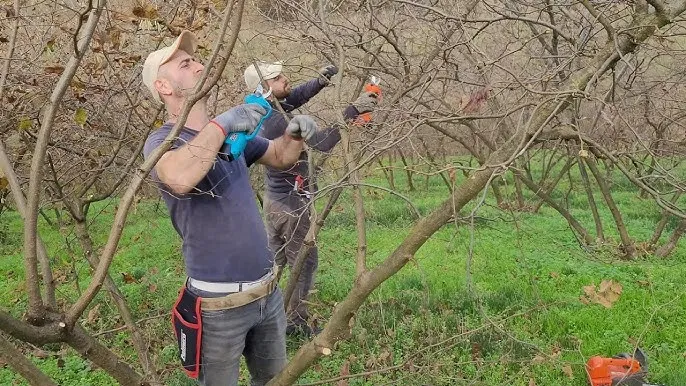
January Hazelnut Care Guide
Winter pruning, sucker removal, dormant-season spraying, soil sampling, snow damage checks and infrastructure repair in the hazelnut orchard in January. Guide supported by official sources.
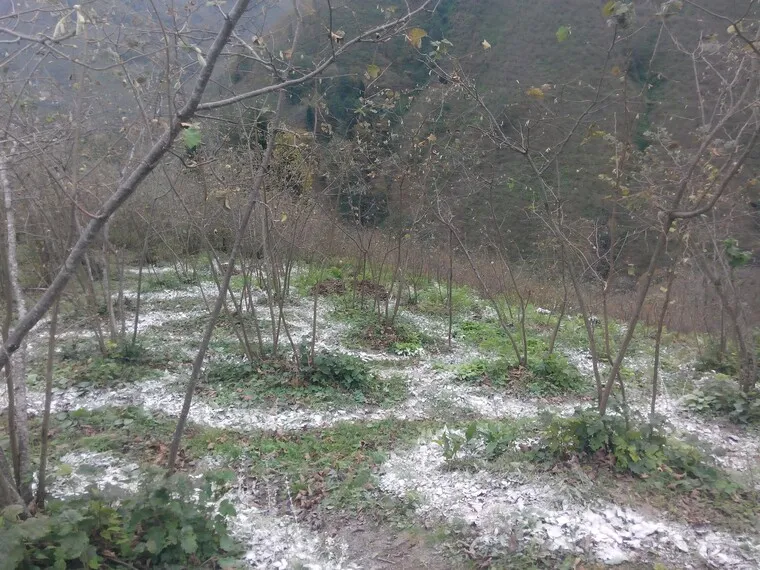
Hazelnut Fertilization Program: Annual Schedule and Application Rates
When to fertilize hazelnuts, which fertilizer types to use, and how much per decare. A practical guide to nitrogen, phosphorus, potassium and organic fertilizer applications.
More Care & Pruning Guides
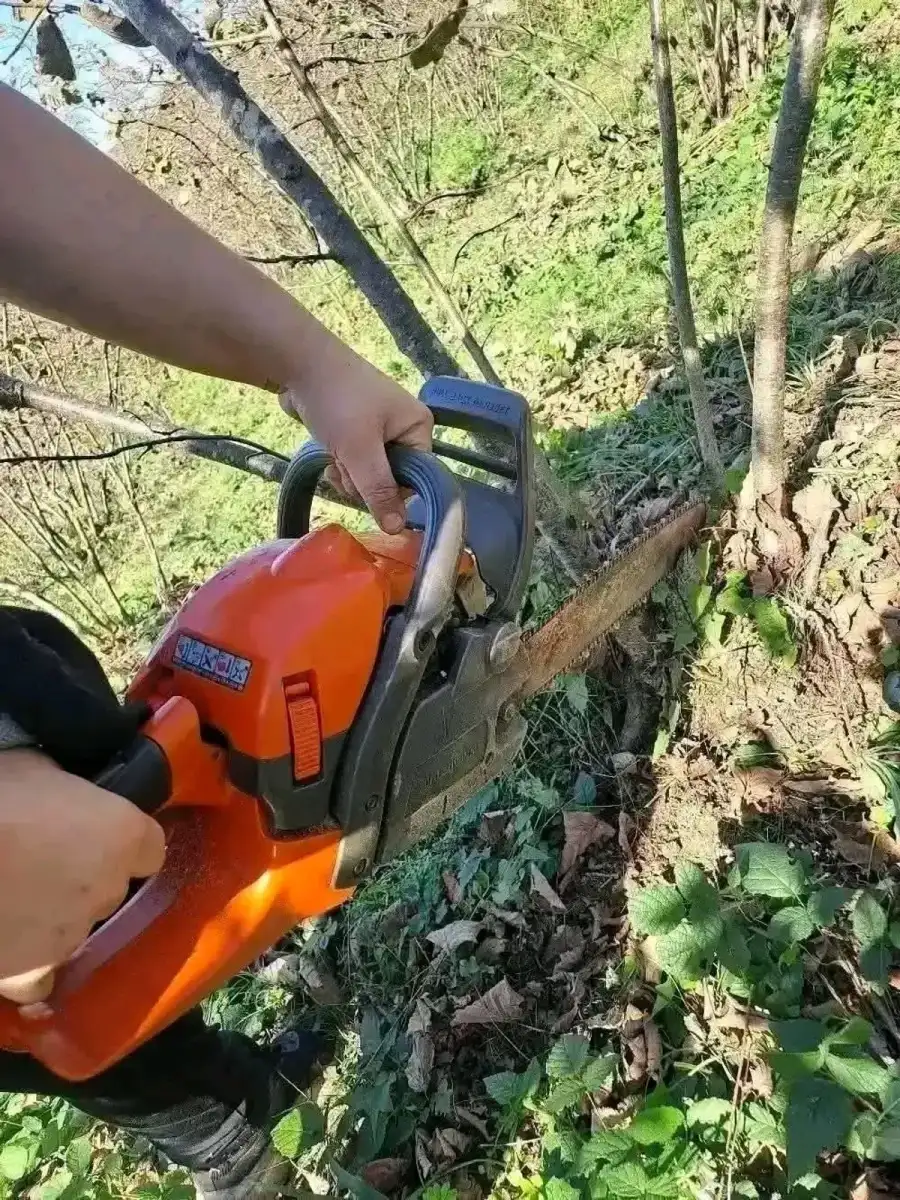
Hazelnut Pruning Guide: Prune Correctly, Harvest More
When to prune hazelnuts, the three pruning types — formative, maintenance and rejuvenation — plus cutting technique, tools, disinfection and the mistakes that cost yield.
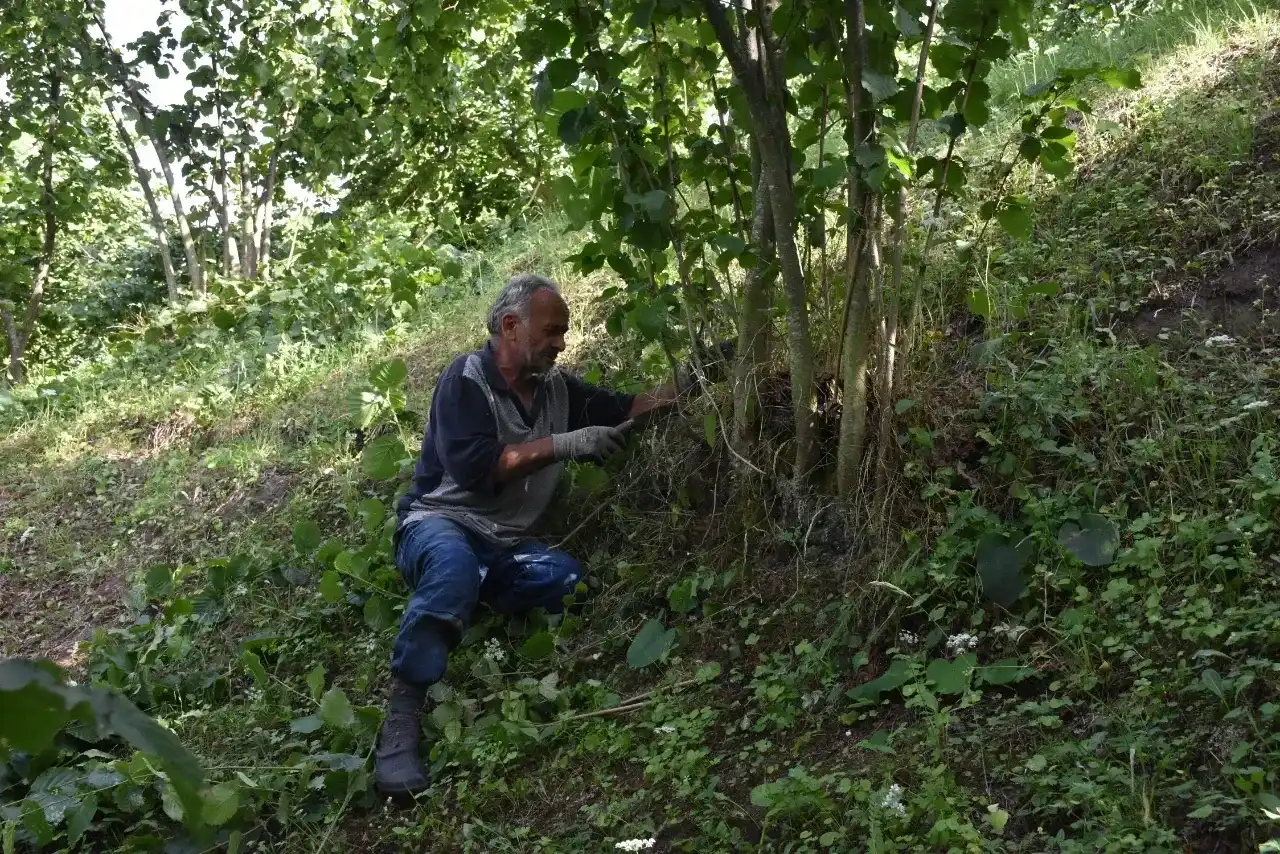
Hazelnut Harvest Guide: Picking, Husking and Drying
When hazelnuts are ready to pick, harvesting methods, husking and drying technique, plus harvest dates by region and correct storage.
Hazelnut Growing Guide: From Planting to Harvest, Step by Step
A complete guide to growing hazelnuts. Pruning, fertilization, pest control, harvest and market knowledge — everything a hazelnut grower needs on a single page.