
What Is the Hazelnut?
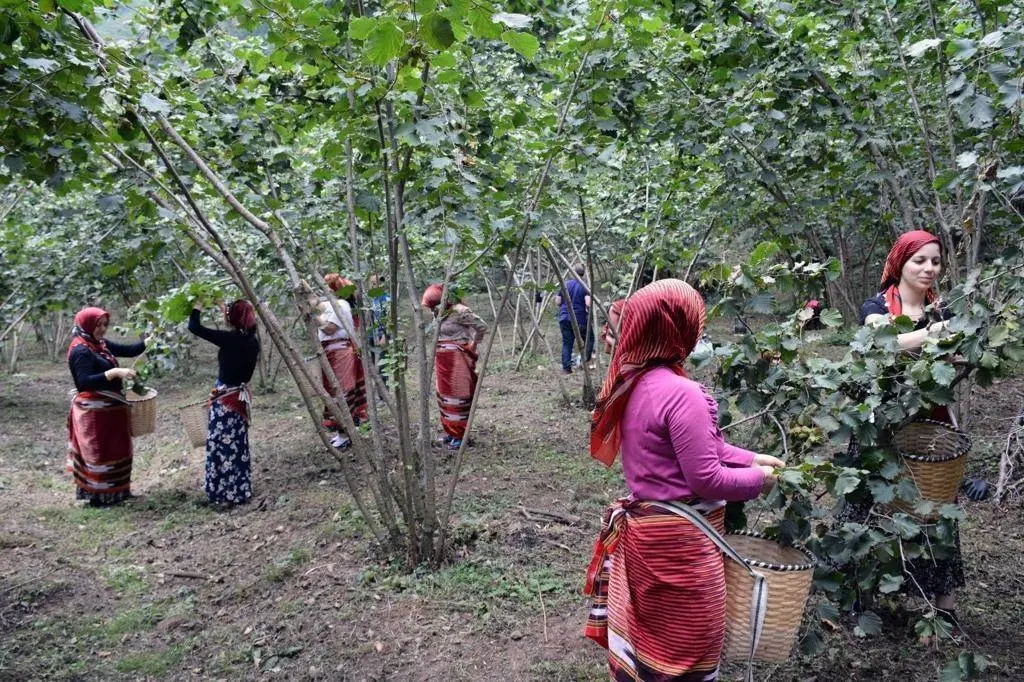
The hazelnut (Corylus avellana) belongs to the Betulaceae (birch) family and is one of Turkey’s most important agricultural crops. Roughly 70% of the world’s hazelnut production takes place in Turkey. Grown intensively along the coastal strip of the Black Sea region, hazelnut is the livelihood of hundreds of thousands of families.
The hazelnut is a shrubby plant, 3–5 metres tall, that grows as a multi-stemmed bush rather than a single-trunk tree. It is wind-pollinated, and its fruit develops inside the husk — the green outer covering. As the nut ripens, the husk turns brown and the crop becomes ready to pick.
Turkey's Hazelnut Power
Turkey produces an average of 600,000–800,000 tonnes of in-shell hazelnuts each year. The leading producing provinces are Ordu, Giresun, Trabzon, Düzce and Sakarya.
Hazelnut Growing Regions
In Turkey, hazelnut growing is concentrated along the Black Sea coastal strip. The regions and their characteristics:
Eastern Black Sea
- Ordu: Turkey’s largest hazelnut-producing province. The Tombul, Palaz and Çakıldak varieties are widespread here.
- Giresun: The homeland of the round Tombul hazelnut, known in the trade as “Giresun Quality”. The highest-grade nuts in the country come from here.
- Trabzon: Production is especially heavy in the Akçaabat and Vakfıkebir districts.
Western Black Sea
- Düzce: The largest producer in the western part of the growing belt.
- Sakarya: The Hendek and Akyazı districts stand out.
- Bolu, Zonguldak, Bartın: Smaller-scale production.
Regional Guides
We are preparing detailed hazelnut growing guides for each province. The first to be published will cover Ordu, the largest producing province.
The Hazelnut Care Calendar
A hazelnut orchard needs active management twelve months a year. Every season brings its own set of jobs:
Winter (January – February)
The winter months are the pruning season. Beginning once the leaves have fallen, pruning is one of the most decisive operations in the hazelnut year.
- Pruning: Dead wood, diseased branches and branches crowding the centre of the bush are removed
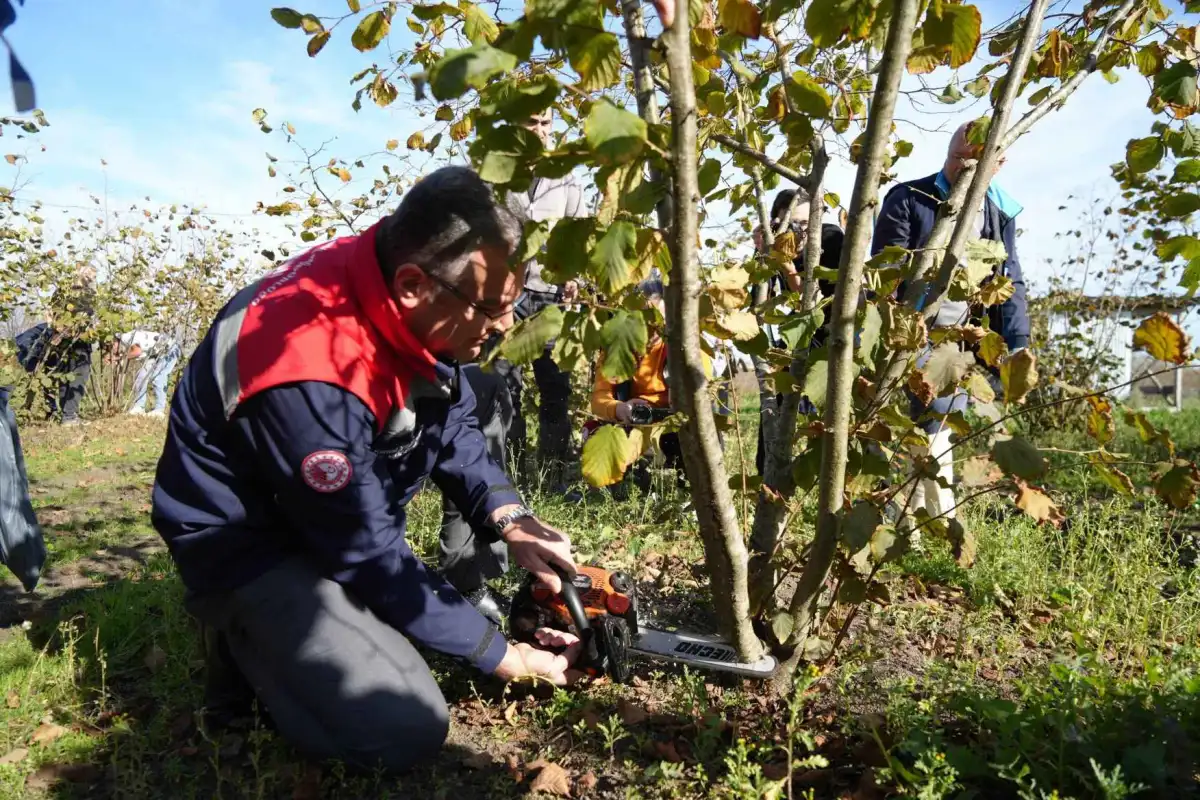
- Sucker removal: Unwanted shoots rising from the base of the stool are cleared away
- Winter fertilizer: Farmyard manure plus phosphorus and potassium fertilizer are applied
- Big bud mite control: Swollen buds are picked off by hand and destroyed
For details see our January care guide and our February care guide.
Spring (March – May)
Spring is the period when fertilization and pest control intensify.
- First nitrogen dressing: Ammonium sulfate applied in March
- Planting young stock: The last chance to plant (end of March)
- Powdery mildew control: Spraying begins from April onwards
- Nut weevil control: May–June is the critical spraying window
- Second nitrogen dressing: Urea applied in May–June
Summer (June – August)
Through the summer months, irrigation, pest monitoring and harvest come to the fore.
- Irrigation: June–July is the critical watering period. Drip irrigation can lift yields by as much as 40%
- Brown marmorated stink bug: Monitoring from July onwards
- Leaf analysis: Leaf samples are taken in July
- Harvest: Begins from mid-August
- Threshing and drying: Husk removal and drying after picking
Autumn (September – November)
Autumn is the season for post-harvest care and preparing for next year.
- Finishing a late harvest: Early September
- Soil analysis: September–October is the ideal time
- Start of pruning: From October onwards
- Liming: pH correction in November
- Fertilizer planning: Based on the soil analysis results
Detailed Monthly Guides
We publish a detailed care guide for every month. From our calendar page you can click through to any month and see all of that month’s jobs.
Pruning
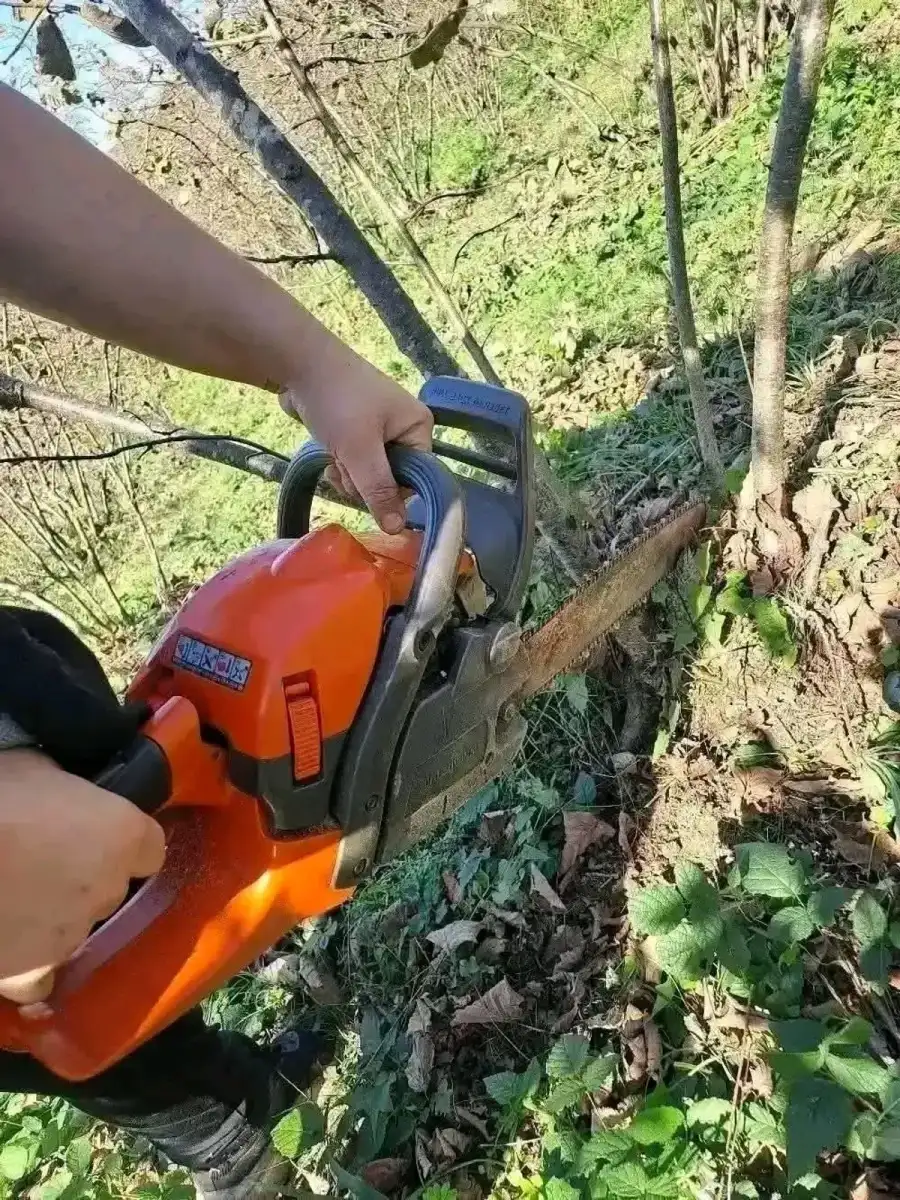
Pruning is one of the most important operations affecting hazelnut yield directly. Done correctly, it can raise yield by 20–30%. For a full treatment see our hazelnut pruning guide.
When to Prune
- Best window: November – February (after leaf fall)
- Avoid: Sub-zero conditions, and the start of spring sap flow
Types of Pruning
- Formative pruning: Applied to young bushes (0–5 years) to shape the plant
- Production pruning: A thinning cut on mature bushes (5+ years) that opens the plant to air and light
- Rejuvenation pruning: Radical renewal in old orchards whose yield has fallen away
Basic Rules
- Never remove more than 30% of the bush in a single season
- Disinfect your cutting tools between bushes
- Apply wound sealant to large cuts
- Always clear the basal suckers
Take Care
Over-pruning weakens the bush and causes yield loss the following year. If you are inexperienced, prune lightly in the first year and watch the results.
For comprehensive information on pruning types, techniques and the mistakes growers make most often, see our hazelnut pruning guide.
Fertilization
In a hazelnut orchard, getting fertilization right feeds straight through into yield and quality. Your fertilizer plan must always be built on soil analysis results. For the annual fertilizer calendar and rates, see our fertilization programme guide; for how to get an analysis done, see our soil analysis guide.
The Annual Fertilization Programme
| Period | Fertilizer type | Rate (per decare) | Purpose |
|---|---|---|---|
| November–February | Farmyard manure | 2–3 tonnes (once every 3–4 years) | Organic matter |
| November–February | Phosphorus + Potassium | Per analysis result | Root development |
| March | Ammonium sulfate | 20–25 kg | First nitrogen |
| May–June | Urea | 10–15 kg | Second nitrogen |
| May–July | Foliar fertilizer | At label rate | Micronutrients |
| November | Lime | Per analysis result | pH correction |
A Money-Saving Tip
Do not buy fertilizer before you have a soil analysis. Unnecessary fertilizer damages the soil and drives up your costs. Provincial agriculture directorates offer free analysis services.
Pests and Their Control
Dozens of pest species occur in hazelnut orchards. The most important ones, and when to deal with them, are summarised below. For detailed control guides, see our hazelnut nut weevil guide and our spraying calendar, which covers every major pest.
The Most Common Pests
| Pest | Active period | Threat level | Control |
|---|---|---|---|
| Hazelnut nut weevil (Balaninus) | May–June | High | Chemical spraying |
| Green stink bug | April–July | High | Traps + spraying |
| Brown marmorated stink bug | April–October | High | Monitoring + spraying |
| Big bud mite | January–May | High | Mechanical + chemical |
| Fall webworm | June + August | Moderate | Traps + spraying |
| Twig borer | March–June | Moderate | Chemical |
The Spraying Calendar
Sprays are applied against different pests throughout the year, and correct timing decides whether control succeeds or fails. Unnecessary spraying is both expensive and damaging to the environment — spray only when it is needed, and at the correct rate.
Safety Warning
Always wear protective equipment (mask, gloves, goggles) when spraying. Never spray in windy weather. Follow the rates on the product label exactly.
Diseases
The most common hazelnut diseases and how they are treated:
Powdery Mildew
A fungal disease that appears as a white, dusty coating on the leaves. It is active between April and July and is controlled with sulfur-based products. For symptoms, control methods and information on the new mildew species, see our powdery mildew guide.
The New Powdery Mildew (Erysiphe corylacearum)
An invasive fungal species present in Turkey since 2013. It is more aggressive than the traditional mildew and stays active from June through October.
Bacterial Blight
A bacterial disease that produces a scorched appearance on leaves and shoots. It is treated with copper-based products.
The Harvest
The hazelnut harvest generally falls between mid-August and early September. For a full account of harvest timing, methods and post-harvest handling, see our hazelnut harvest guide.
Signs of Ripeness
- The husk (green outer covering) turns brown
- The nuts loosen inside the husk
- The nuts drop easily from the bush
Harvesting Methods
- Picking off the ground: The traditional method, and still the most widespread
- Shaking from the bush: By hand or with a mechanical shaker
- Machine harvesting: Sweeper or suction-type machines in large orchards
After the Harvest
- Threshing: Removing the husk with a huller
- Drying: Bringing moisture content down to 6% in the sun or in a drier
- Storage: In a dry, well-ventilated space, below 6% moisture
Finding Labour
Thousands of seasonal workers are needed during the harvest period. With the Findik app you can find workers in your area — or post a job advert — within minutes.
The Hazelnut Economy
Hazelnut is one of Turkey’s most important agricultural export commodities.
Market Structure
- TMO (the Turkish Grain Board): Sets a floor price each year
- The open market: Prices may form above or below the TMO level
- Exports: Most of the crop is exported to Europe, especially to Germany and Italy
What Moves the Price
- The size of the annual crop
- The world market and competing countries (Italy, the USA, Azerbaijan)
- The exchange rate
- Weather conditions and natural disasters
Labour and the Workforce
Hazelnut farming is a labour-intensive business. Large numbers of seasonal workers are needed, above all during the harvest.
Harvest-Season Labour
- Picking: Takes 15–25 days, depending on the size of the orchard
- Number of workers: 2–3 workers per day per dönüm
- Payment types: Daily wage, payment by the kilogram, or a fixed price for the whole job
The Difficulty of Finding Workers
Rural depopulation has made hazelnut labour steadily harder to find in recent years. Alongside the traditional approach — word of mouth through personal networks — digital platforms are increasingly being used to match workers with growers.
The Findik App
Findik is a mobile app that brings hazelnut workers and employers together. Post an advert, find seasonal workers, or build your harvest crew.
In Summary
Hazelnut growing rewards good information and good timing with high yields. Use the material in this guide as your reference point and you will manage your orchard more productively.
Remember:
- Do not miss the pruning window (November–February)
- Get a soil analysis done
- Watch your timing in pest control
- Prepare for harvest well in advance
For more depth, see our topic-specific guides: pruning guide, harvest guide, fertilization programme, soil analysis, hazelnut nut weevil, powdery mildew and spraying calendar. Our monthly care calendar lets you follow every job specific to the month you are in.
📚 Hazelnut Research Institute📚Sources
Related Guides
View all Care & Pruning guides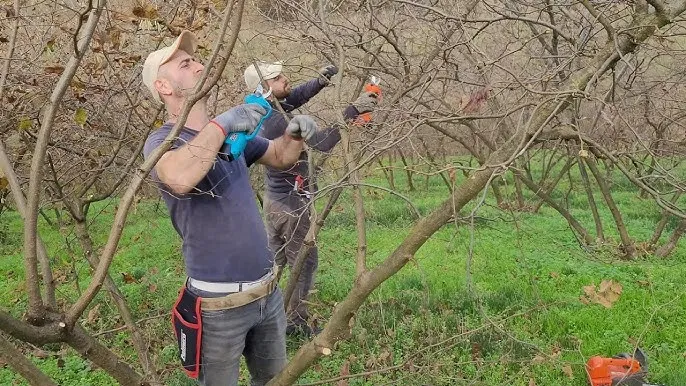
January Hazelnut Care Guide
Winter pruning, sucker removal, dormant-season spraying, soil sampling, snow damage checks and infrastructure repair in the hazelnut orchard in January. Guide supported by official sources.
February Hazelnut Care Guide
Pruning, fertilization, pest spraying and pollination monitoring in the hazelnut garden in February. Guide supported by official sources.
Hazelnut Pruning Guide: Prune Correctly, Harvest More
When to prune hazelnuts, the three pruning types — formative, maintenance and rejuvenation — plus cutting technique, tools, disinfection and the mistakes that cost yield.
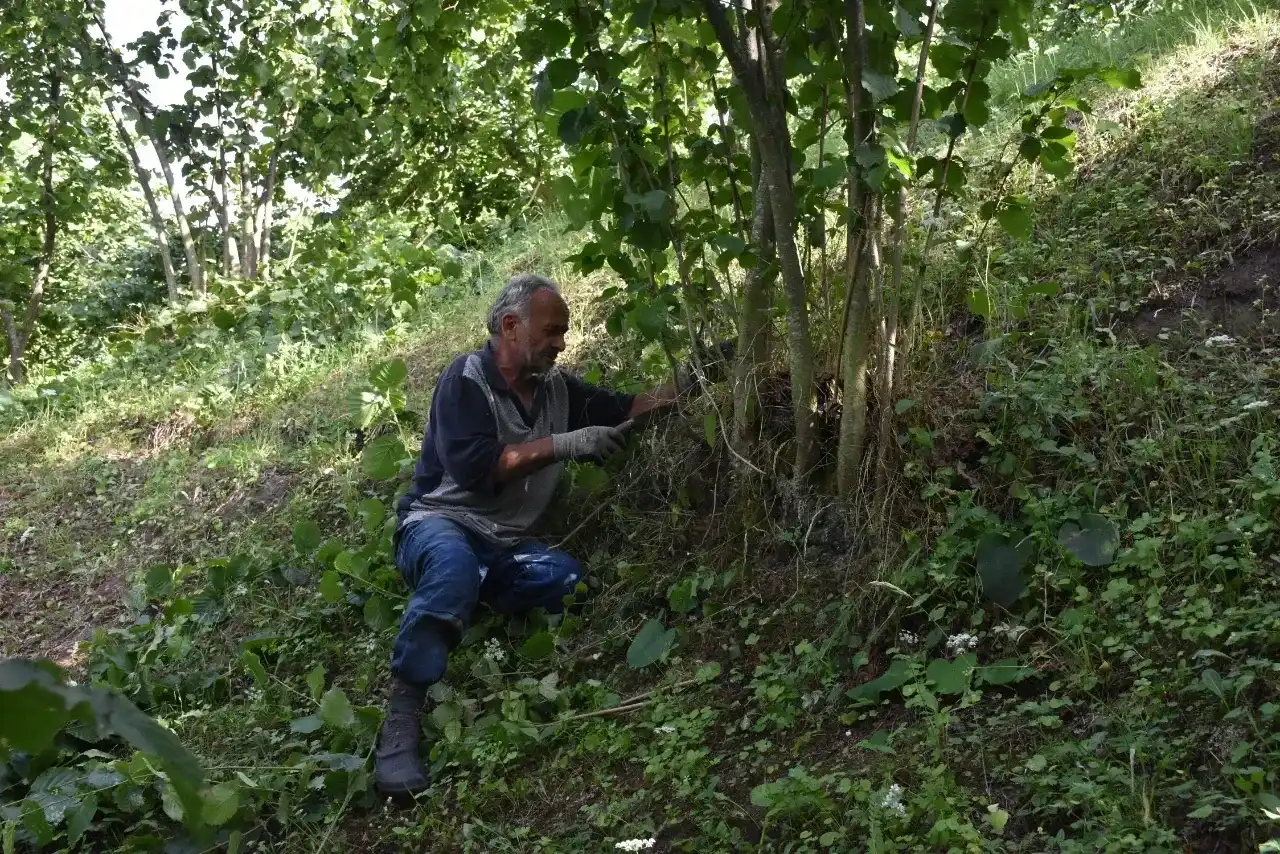
Hazelnut Harvest Guide: Picking, Husking and Drying
When hazelnuts are ready to pick, harvesting methods, husking and drying technique, plus harvest dates by region and correct storage.
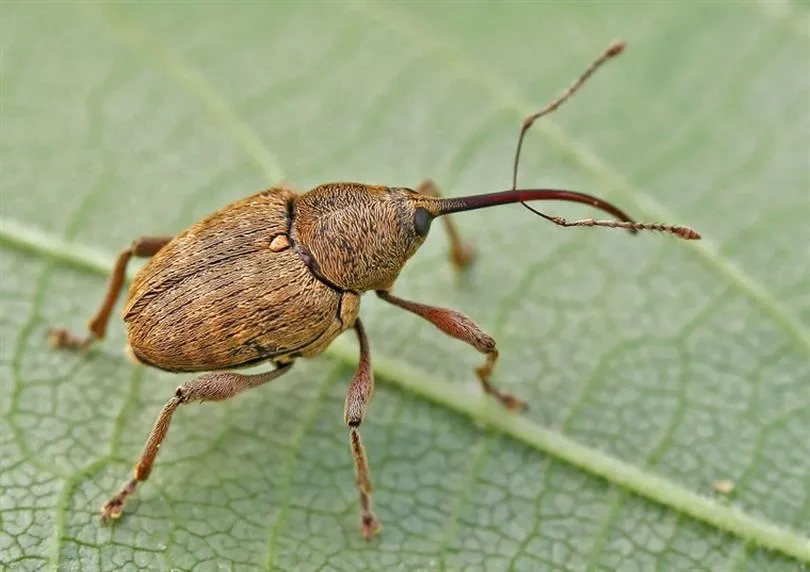
Hazelnut Weevil Control Guide: Identification, Spraying and Prevention
What is the hazelnut weevil (Curculio nucum, formerly Balaninus nucum), its damage symptoms, life cycle and control methods. Spray timing and dosages.
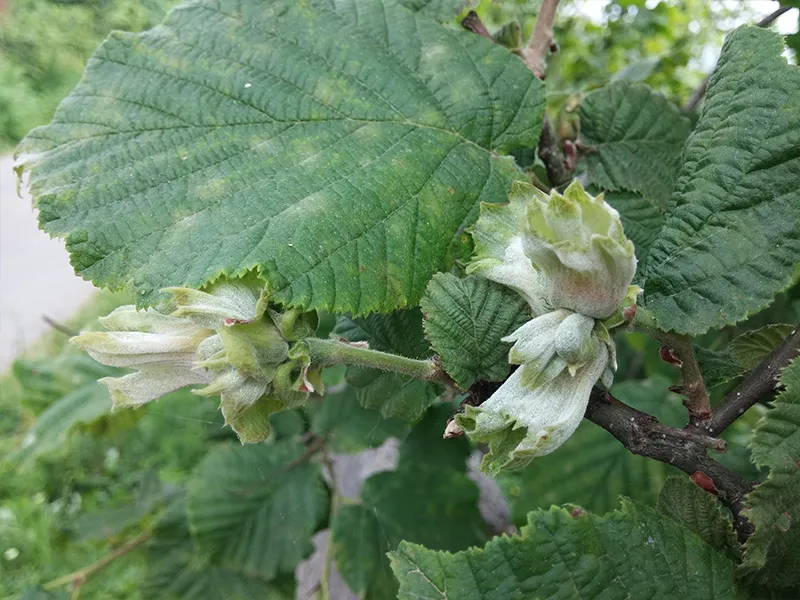
Powdery Mildew in Hazelnuts: Symptoms, Control and Spraying
What is powdery mildew in hazelnuts, what are its symptoms, when should you spray and how is it controlled? Includes an overview of the new powdery mildew (Erysiphe corylacearum).
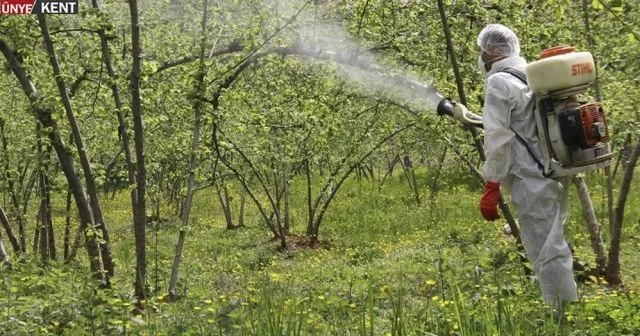
Hazelnut Spraying Calendar: Annual Program for All Pests
Hazelnut orchard spraying calendar: spray timings, dosages and rules against all pests and diseases from February to October.
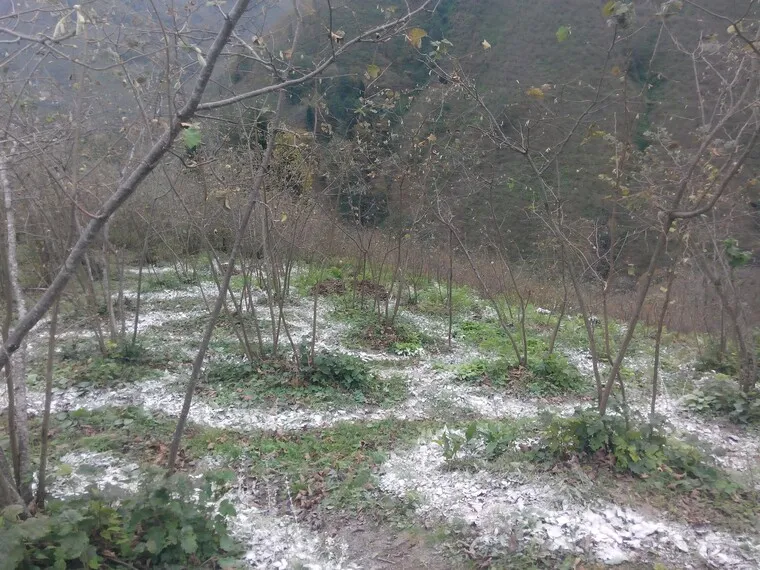
Hazelnut Fertilization Program: Annual Schedule and Application Rates
When to fertilize hazelnuts, which fertilizer types to use, and how much per decare. A practical guide to nitrogen, phosphorus, potassium and organic fertilizer applications.
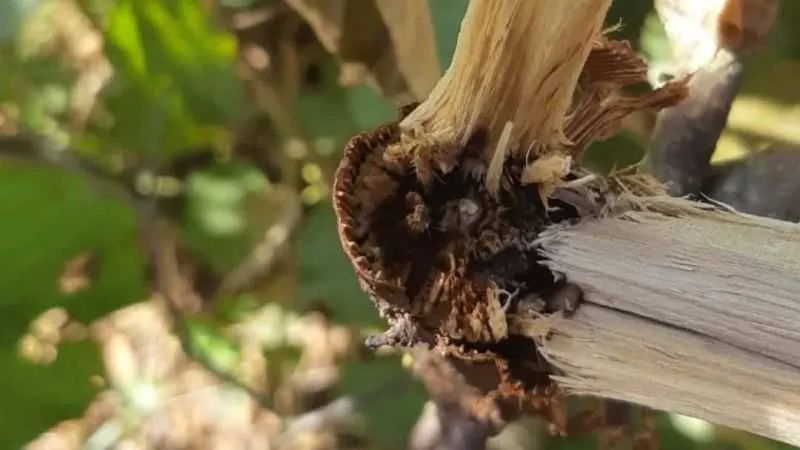
Soil and Leaf Analysis Guide for Hazelnut Orchards
When to have a soil analysis done in a hazelnut orchard, how to take the sample, and how to read the results. Leaf analysis timing and method explained.
More Care & Pruning Guides
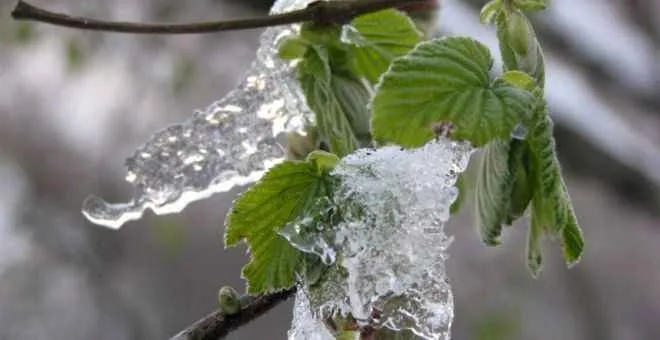
How to Protect Hazelnut Orchards from Frost Damage
Frost protection methods for hazelnut orchards: temperature thresholds, active protection techniques, frost-resistant varieties, and cultural prevention measures.
Hazelnut Pruning Guide: Prune Correctly, Harvest More
When to prune hazelnuts, the three pruning types — formative, maintenance and rejuvenation — plus cutting technique, tools, disinfection and the mistakes that cost yield.
Hazelnut Harvest Guide: Picking, Husking and Drying
When hazelnuts are ready to pick, harvesting methods, husking and drying technique, plus harvest dates by region and correct storage.