Ocak Ayı
Main Theme: Winter Pruning & Planning the New Season
January is the month when the hazelnut bush sits in full dormancy. The leaves have dropped, sap movement has stopped, and the branch framework is clearly visible to the naked eye. That visibility makes January the best month of the year for pruning and reshaping the orchard. It is also the harshest month for frost and snow load, so January work has to be planned around weather windows: concentrate the work into a mild week and wait out the hard freezes.
What you do in January sets the foundation for the whole season — the shape of the canopy, the soil test your fertilizer plan will rest on, and the repair of orchard infrastructure. Anything left unfinished carries over into the February care calendar.
✓ January Tasks
- ✓ Start winter pruning on suitable days
- ✓ Cut suckers back to ground level
- ✓ Check for snow-broken and hanging branches
- ✓ Take soil samples and build the fertilizer plan
- ✓ Confirm the regional date for dormant-season spraying
- ✓ Remove pruning debris from the orchard
- ✓ Repair drainage, tracks and terraces
- ✓ Service saws, shears and the sprayer
The January Pruning Window
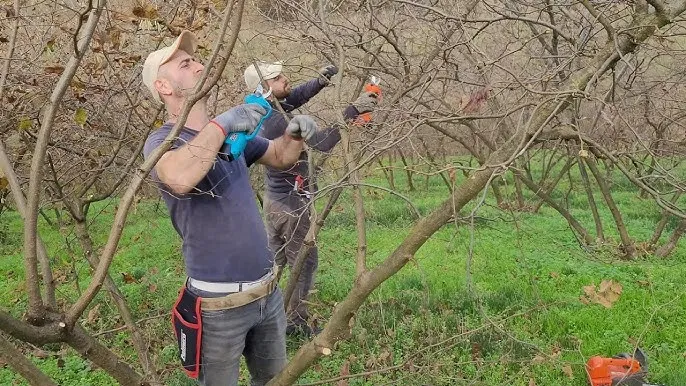
The aim of pruning is to open the bush to air and light, rejuvenate ageing wood, and keep a high proportion of productive branches. Once the leaves have fallen, reserves have moved down into the roots and trunk, so a January cut costs the plant less energy than a cut at any other time of year.
Choosing the Right Day to Prune
Not every January day is a pruning day. Let the weather decide:
| Weather condition | Prune? | Reason |
|---|---|---|
| Dry air, temperature above 0 °C | Yes | The wound surface dries quickly and starts to callus |
| Night frost, daytime above 0 °C | Yes, limited, in the afternoon | Cuts are cleaner once the wood has thawed |
| Temperature below -5 °C | No | Frozen wood turns brittle and the fibres tear |
| Branches covered in snow or ice | No | High risk of a bad cut and of accidents |
| Persistent rain or fog | Postpone | A wet wound surface is an open door for fungal spores |
Why Wait Out the Frost?
Water inside frozen wood crystallises and the cell walls become brittle. A cut made in that state does not leave a clean wound: the fibres tear, the bark peels back, and callus formation is delayed by months. Waiting for a thaw and a dry day is worth far more than the few days you would gain by cutting early.
Cutting Order and Basic Rules
- Remove dead, broken and diseased branches first; you only see the true condition of the bush once those are gone
- Thin out branches that rub against each other, grow inwards, or close off the centre of the canopy
- Cut at the base of the branch without damaging the branch collar, and leave no stub
- Never remove more than 30% of the canopy volume from one bush in a single season
Caring for the Cut Surface
On branches thicker than a finger, the cut is an open wound. Cut on a dry day, tidy the surface, then apply pruning sealant. Disinfect shears and saws between bushes — this step is essential after working on a bush showing signs of canker or bacterial blight.
Disinfect Your Tools
A tool that moves from a diseased branch to a healthy bush carries the disease with it. Wipe the cutting surfaces after every bush. Never leave diseased prunings in the orchard; collect them and take them out.
Removing Suckers
Hazelnut grows as a multi-stemmed bush and constantly throws new shoots from the root crown. Left alone, these suckers crowd the bush, block light and air, and divide the water and nutrients that should go to productive stems.
Winter is the ideal time for this job, because:
- On a leafless bush it is obvious which stem is a sucker and which is a productive trunk
- The plant is dormant, so the shock of cutting is at its lowest
- A sucker removed before it lignifies leaves only a small wound
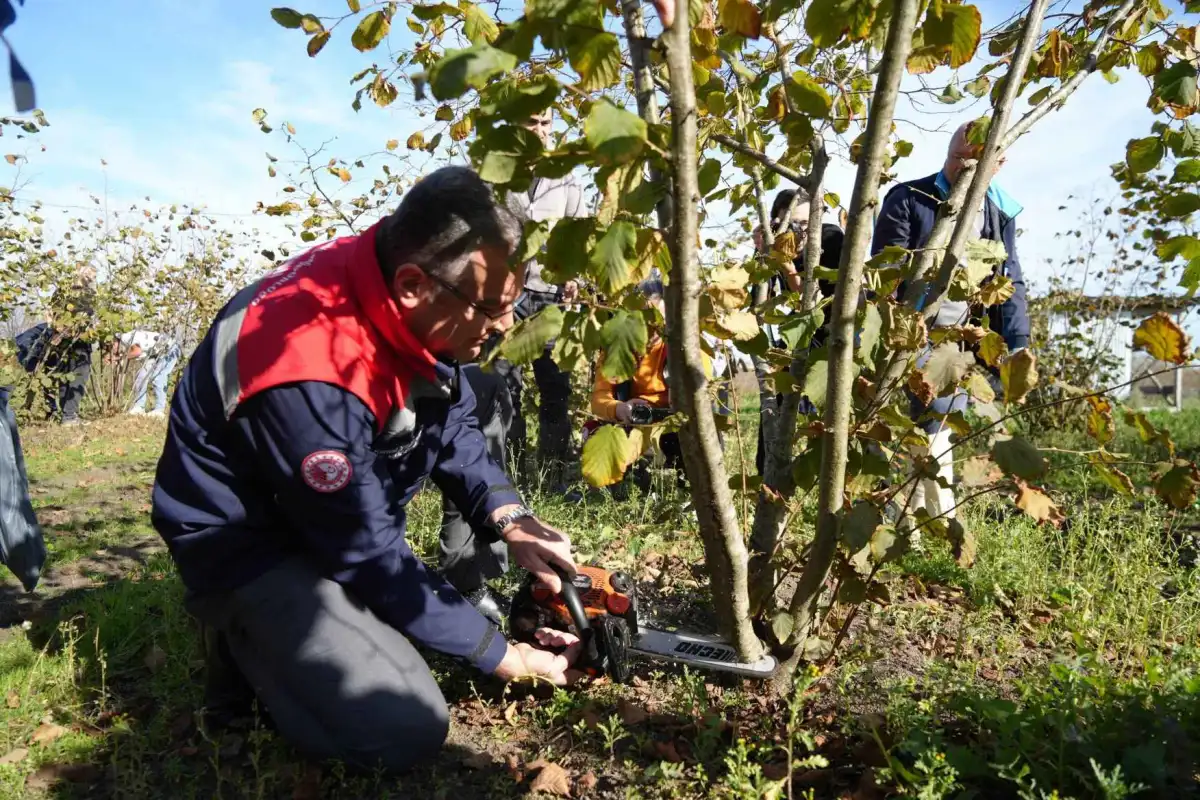
Cut suckers at ground level with shears. A stub left 10-15 cm above the soil will push out several new shoots in spring. Do not leave the removed material at the base of the bush.
Dormant-Season Spraying
Dormant-season spraying is a protective treatment aimed at pests that overwinter on branches and trunks, and at disease organisms sheltering in bark crevices. With no foliage in the way, the spray reaches the bark directly, which is why the treatment is so effective at this time of year.
Two rules govern the timing:
- Apply after leaf fall but before bud swell
- Choose a day that is frost-free, still and dry; the spray needs a few hours of dry weather to settle
If the window is missed in January, the treatment shifts into February, which is the main month for winter pest sprays in hazelnut.
Always Ask Before You Spray
No product names or doses are given on this page, deliberately. Licensed preparations and rates change by region, by pest and by year. Do not spray without consulting your provincial or district directorate of agriculture, or an agricultural engineer.
Soil Analysis: The Fertilizer Plan Is Built in January
January is the best time of year for soil sampling: no fertilizer has been applied, there is no crop on the bushes, and when the results arrive there is still time to plan the spring programme. Since the first nitrogen application goes on in mid-March, a sample taken in January comes back exactly when you need it.
- When: On a day when the soil is friable, not muddy
- Where and how deep: Under the canopy drip line, at a depth that represents the root zone
- Method: Sub-samples from several points in the orchard are mixed into one composite sample
- Where to send it: An accredited laboratory recommended by your provincial or district directorate of agriculture
Fertilizing Without a Soil Test Is Waste
Fertilizer applied without a soil test is almost always either too little or too much. Excess nitrogen lowers yield, acidifies the soil and pollutes water sources. Provincial and district agricultural directorates offer soil analysis services and guidance.
Farmyard manure is also planned now: well-rotted manure is applied at roughly 25-30 kg per bush, once every 3-4 years, spread under the canopy drip line. It does not need repeating every year.
Checking for Snow Damage
Always walk the orchard after heavy snowfall. Wet, heavy snow breaks branches, especially on bushes with wide crotch angles.
| Check point | What to look for | What to do |
|---|---|---|
| Main stems | Splits, cracks, leaning | Clear the snow load, add support if needed |
| Branch unions | Torn bark, opened crotches | Tidy up with a clean cut and seal it |
| Broken branches | Hanging or half-snapped wood | Remove the branch completely and smooth the wound |
| Young plants | Bending, loose root collar | Straighten with a stake and firm the soil |
Do not beat branches with a pole to shake the snow off; frozen wood snaps under that impact. Clear snow by hand or with a shovel, working gently from the bottom upwards. Ragged break surfaces never callus over properly and become entry points for pathogens such as canker.
Preparing for Frost Protection
Hazelnut has not woken up in January, so the risk of frost damage is low; the real danger comes with early bud break in late February and early March. January is therefore a preparation month:
- Identify the hollows and enclosed spots where cold air pools in your orchard
- Check over any equipment you plan to use for frost protection
- Get into the habit of following meteorological warnings
- Clear hedges and piles that block air movement through the orchard
For the methods themselves, see our frost protection guide.
Orchard Infrastructure: The Advantage of the Dead Season
There is no crop on the bushes in January and machinery tracks will not damage new growth, which makes it the best time of year for infrastructure work.
- Drainage: Clear the channels. Water standing in the root zone is the single biggest trigger of root rot
- Terraces and banks: On sloping ground winter runoff washes out the banks; repair them before erosion spreads
- Orchard tracks: Fix the muddy sections that held you up at harvest
- Boundaries and fencing: Finish wire, post and gate repairs this month
Tool and Equipment Maintenance
Rainy days belong in the workshop. Equipment serviced in January prevents lost days during the February-March rush.
| Equipment | Maintenance |
|---|---|
| Hand saw / chainsaw | Sharpen teeth, adjust tension, check oil and filters |
| Pruning and lopping shears | Sharpen, replace springs, oil the joints, disinfect |
| Sprayer | Check seals and hoses, clean nozzles, test pressure |
| Hoes, spades, rakes | Tighten handles, remove rust |
Run the sprayer with clean water and check the spray pattern: a worn nozzle throws the dose off, wasting product and giving uneven coverage.
What Not to Do in January
Common Mistakes
- Pruning frozen wood: The wound tears, callusing is delayed and infection risk rises
- Applying nitrogen in January: The plant is dormant and cannot take it up; winter rain leaches it away. The first half goes on in late February or March
- Heavy pruning in one go: Taking more than 30% of the canopy volume weakens the bush
- Leaving prunings in the orchard: Diseased wood becomes an overwintering site
- Cutting suckers too high: The stub left behind pushes out several shoots in spring
- Driving machinery on wet soil: Compaction holds back root development for years
January Work Plan at a Glance
| Period | Priority |
|---|---|
| Week 1 | Walk the orchard, assess winter damage, draw up the job list |
| Week 2 | Take soil samples, start pruning if the weather allows |
| Week 3 | Continue pruning and sucker removal, clear the debris |
| Week 4 | Drainage and track repair, equipment servicing, plan February |
The plan shifts with location: in the higher orchards of Giresun and Ordu the pruning window is narrow, while along the coastal belt it is considerably wider. Build your own calendar from your orchard’s records of previous years.
📚 Hazelnut Research Institute 📚 FISKOBIRLIK 📚 Giresun Chamber of Agriculture📚Sources
Related Guides
View all Care Calendar guides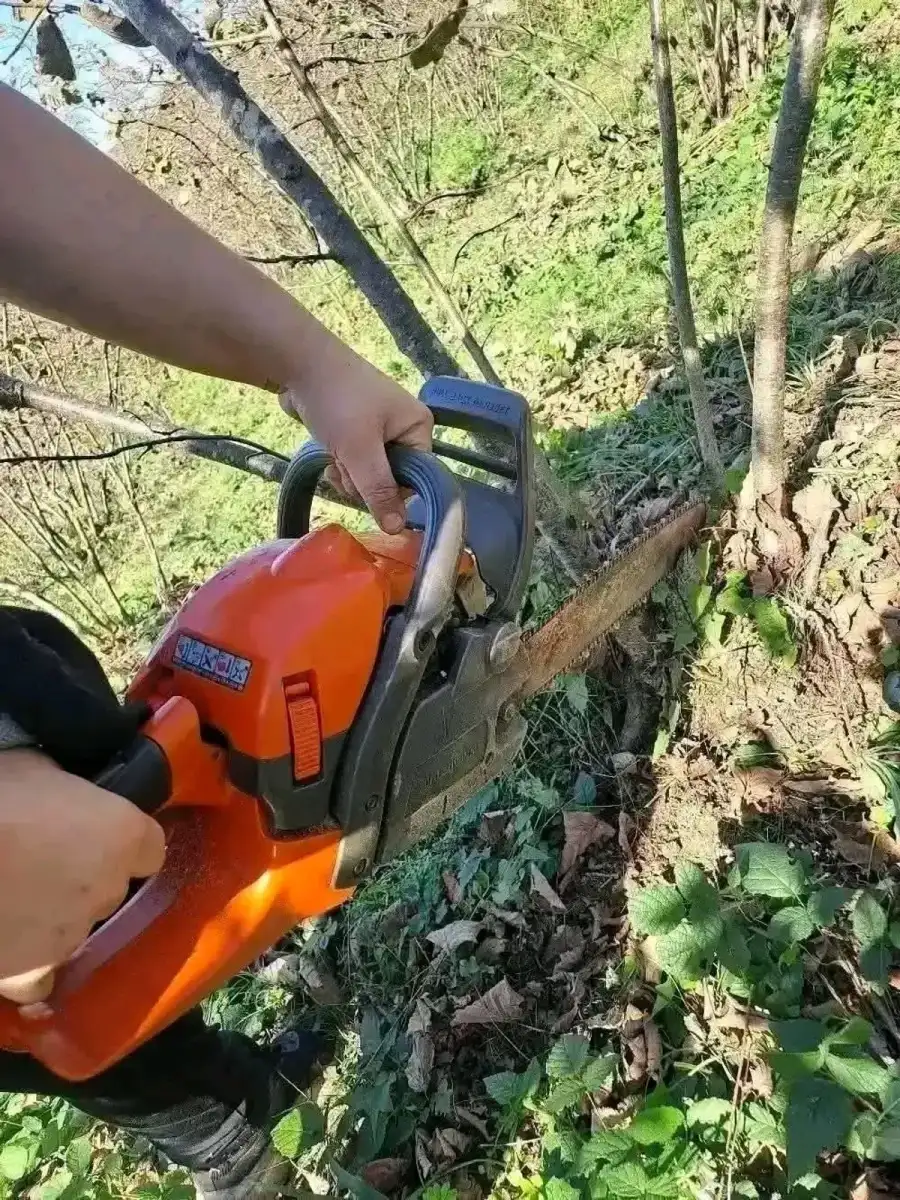
Hazelnut Pruning Guide: Prune Correctly, Harvest More
When to prune hazelnuts, the three pruning types — formative, maintenance and rejuvenation — plus cutting technique, tools, disinfection and the mistakes that cost yield.
February Hazelnut Care Guide
Pruning, fertilization, pest spraying and pollination monitoring in the hazelnut garden in February. Guide supported by official sources.
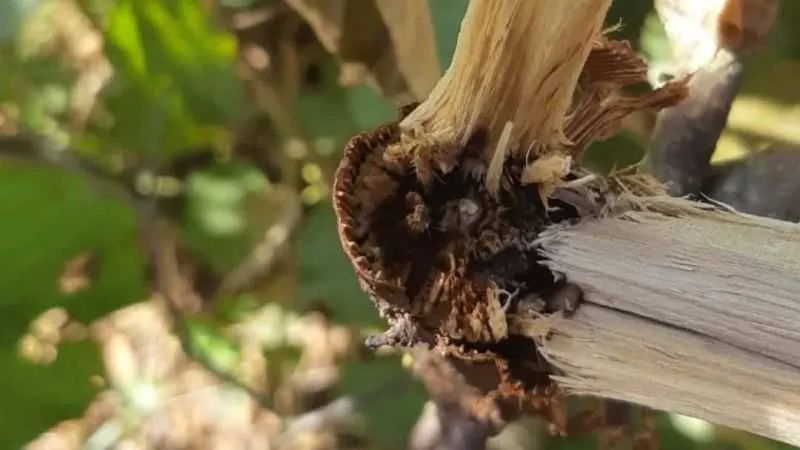
Soil and Leaf Analysis Guide for Hazelnut Orchards
When to have a soil analysis done in a hazelnut orchard, how to take the sample, and how to read the results. Leaf analysis timing and method explained.
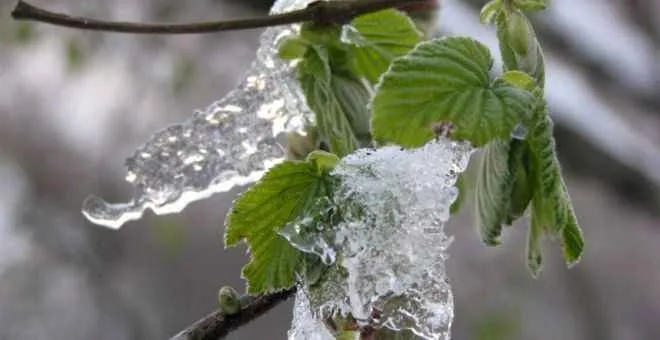
How to Protect Hazelnut Orchards from Frost Damage
Frost protection methods for hazelnut orchards: temperature thresholds, active protection techniques, frost-resistant varieties, and cultural prevention measures.
More Care Calendar Guides

March Hazelnut Care Guide
First nitrogen fertilization, final pruning, shoot moth and gall midge monitoring, sapling planting in the hazelnut orchard in March. Guide supported by official sources.
February Hazelnut Care Guide
Pruning, fertilization, pest spraying and pollination monitoring in the hazelnut garden in February. Guide supported by official sources.