What Is the Hazelnut Shot-Hole Borer?
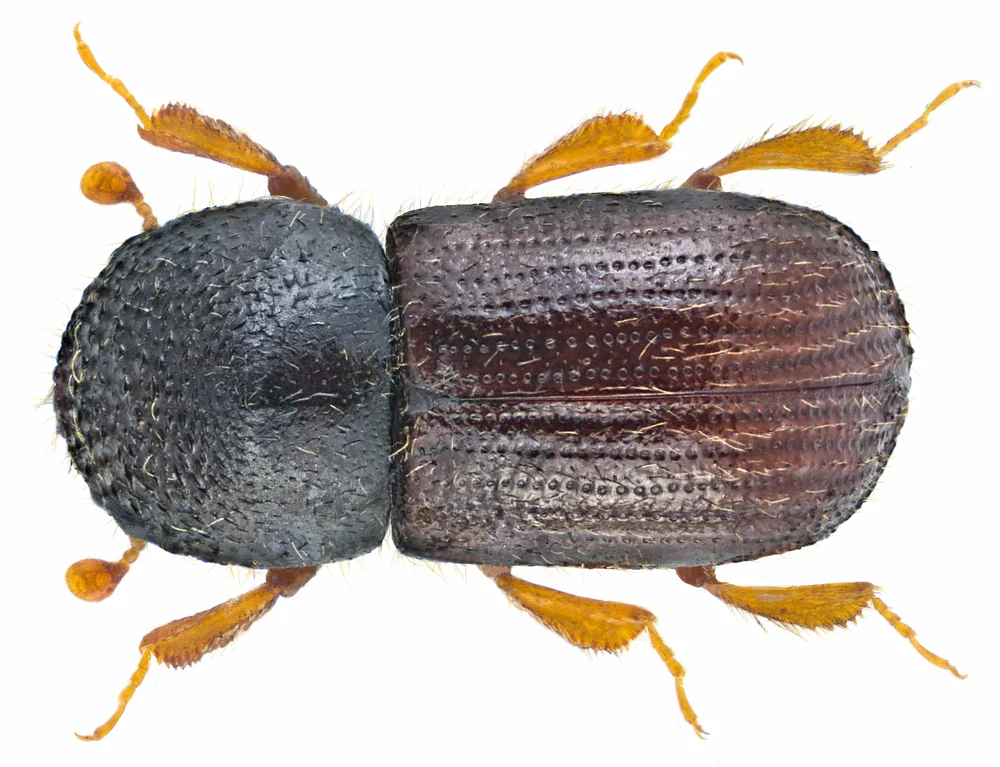
The hazelnut shot-hole borer (Xyleborus dispar) is a bark beetle (Scolytidae) 2-3.5 mm long, dark brown to black, short and cylindrical. In the classification used by the Turkish Ministry of Agriculture and Forestry, this beetle’s official name is “Dalkıran”.
Unlike most other pests, the shot-hole borer eats neither the leaves nor the nuts. The female bores a round hole roughly 2 mm across into the bark of a branch or the trunk, enters the wood and excavates galleries there. What she feeds on inside those galleries is not the plant itself but an ambrosia fungus she cultivates on the gallery walls. The damage comes from the gallery severing the water and nutrient pathways.
Weak and Stressed Bushes Are the Target
The shot-hole borer rarely settles in healthy, vigorous bushes. Its primary targets are bushes weakened by drought stress, poor drainage, excessive pruning, frost or disease. That is why the most durable part of control is not a pesticide but the general health of the orchard.
Two Separate Pests That Share a Name
Along the Black Sea coast the name dalkıran is used for two different beetles, and their control timings are completely different. A wrong diagnosis means losing the whole season:
| Shot-hole borer (this page) | Longhorn beetle | |
|---|---|---|
| Latin name | Xyleborus dispar | Oberea linearis |
| Size | 2-3.5 mm, short and stout | 11-15 mm, slender and long |
| Symptom | 2 mm round holes in branch/trunk, sap seeping from them | The shoot tip dries out and stays hanging |
| What dies | The whole branch, eventually the entire bush | Only the shoot tip (10-30 cm) |
| Spray timing | Early July | Mid-May |
| Guide | This page | Hazelnut longhorn beetle |
One Question Settles It
Walk into the orchard and look at what is dying: is it only the tip of the shoot, or the whole branch? If the tip has dried and hangs on the branch, it is the longhorn beetle. If the whole branch is dying and the bark carries holes, it is the shot-hole borer.
Damage Symptoms
- Round holes 2 mm across: clean, perfectly round entry points in the branch and trunk, as if made with a needle. This is the most reliable sign
- Seeping sap: sap oozes from the hole, leaving wet, dark stains. This is more obvious in humid weather
- Whitish frass: fine, pale wood dust collects at the hole entrance or on the soil under the branch
- Whole branch dying: because the gallery cuts the conducting tissue, every leaf fed by that branch wilts
- Bush death: under heavy attack the trunk becomes riddled with holes and the entire bush dies
A Dead Bush Does Not Come Back
With the longhorn beetle you lose a few shoots and next year’s buds. With the shot-hole borer, once the trunk is taken, the whole bush dies and re-establishing it takes years. So when you see fresh holes and seeping sap in the orchard, do not wait.
Life Cycle and Adult Emergence
The shot-hole borer has one generation per year and overwinters as a mature beetle inside its gallery. Emergence comes in two waves, and it is the second wave that sets your control timing:
| Stage | Month | What happens |
|---|---|---|
| First emergence | March – April | The first adults appear once air temperature reaches 18-20 °C. This wave is small in number |
| Main emergence | Late June – first week of August | 80-85% of the population emerges in this ~6-week window |
| Establishment | June – August | The female bores her 2 mm hole into a new branch, builds a gallery and carries in the ambrosia fungus |
| Development | August – October | Larvae feed on the fungus inside the gallery |
| Overwintering | November – February | Mature beetles overwinter inside the gallery |
Control Methods
1. Cultural Measures (The Most Durable Fix)
Because this beetle exploits weakness, the real control lies in keeping the orchard strong:
- Cut out and burn infested branches: cut holed and dying branches back into healthy tissue. Piling the cut branches at the edge of the orchard is not enough — the beetles inside will complete their emergence. They must be burned
- Do not leave dead bushes standing: a dead bush is the breeding reservoir for the next generation in your orchard
- Fix drainage, prevent drought stress: bushes standing in waterlogged soil or left dry through the summer are the first to be attacked
- Fertilize in balance: an underfed bush is colonized more easily. See our fertilization programme
- Prune for airflow: pruning guide
2. Biotechnical Control (Red Winged Sticky Traps)
For the shot-hole borer — unlike the longhorn beetle — traps genuinely work, both for monitoring and for mass trapping.
| Infestation level | Traps per decare | Deployment period |
|---|---|---|
| High | 6-8 traps | Late June – August |
| Moderate | 3-4 traps | Late June – August |
Traps should be hung so that they cover the July-August period, when 80-85% of the population emerges. The day adults start being caught is the day the chemical control window opens.
3. Chemical Control
Once the beetle is inside the gallery it cannot be reached by a spray. The target is the adults that have not yet bored into a branch:
- First application: early July — when adults start being caught in the traps
- Second application: 15-20 days after the first
- An additional application may be considered against the small spring wave (March-April), once temperatures reach 18-20 °C
Always Consult Before Choosing a Product or Dose
No trade name or dosage is given on this page, deliberately. Registered preparations and their dosages vary by region, pest and year, and the registration of some active substances can be withdrawn mid-year. Do not apply any pesticide without consulting your provincial/district directorate of agriculture and forestry or an agricultural engineer. Always notify local beekeepers before spraying.
Reinfestation From Neighbouring Orchards
Controlling this pest in a single orchard leads to reinfestation from neighbouring ones — especially if there are abandoned or neglected orchards nearby. For an effective result, act simultaneously with the surrounding orchard owners.
Can It Be Sprayed Together With the Weevil and the Longhorn Beetle?
No — the three windows fall in different places:
| Pest | Spray window |
|---|---|
| Longhorn beetle (Oberea linearis) | Mid-May |
| Hazelnut weevil (Curculio nucum) | Late May – early June |
| Shot-hole borer (Xyleborus dispar) | Early July |
The longhorn beetle and the hazelnut weevil can be planned together in the May-June window, but the shot-hole borer arrives roughly a month after those two and needs a separate application. For the full season see our hazelnut spraying calendar.
Frequently Asked Questions
There are 2 mm holes in the branch — is this the shot-hole borer? Most probably yes. Clean, perfectly round holes as if made with a needle, with sap seeping from them, are the most typical sign. If there is fine whitish frass at the hole entrance, the diagnosis is settled. If instead the shoot tip dries out and stays hanging on the branch, the beetle you are after is the longhorn beetle.
When is the spray applied? The first spray goes on in early July, the second 15-20 days later. Do not set the timing by guesswork — hang red winged sticky traps from late June and let the catches tell you. Ask your provincial directorate of agriculture for the dates specific to your region.
Why did it appear in my healthy orchard? The shot-hole borer usually targets stressed bushes, but under heavy population pressure it will settle in healthy ones too. If there are neglected or abandoned orchards nearby, that is your source of infestation. In that case cultural measures alone will not be enough and must be backed by traps and spraying.
Are traps enough on their own? Under light infestation, 3-4 traps per decare together with cutting and burning the infested branches may be sufficient. Under heavy infestation, traps only suppress the population and must be backed by spraying.
Should I remove a dead bush? Yes. As long as a dead bush stays in the orchard, the beetles inside complete their development and spread to neighbouring bushes the following year. Pull it out and burn it — a single dead bush left standing can undo the entire control effort.
This guide is based on data from the Hazelnut Research Institute of the Turkish Ministry of Agriculture and Forestry and on the control announcement issued by the Giresun Provincial Directorate of Agriculture and Forestry. Always make spraying decisions in consultation with an agricultural engineer.
📚Sources
- Turkish Ministry of Agriculture and Forestry - Hazelnut Research Institute, Hazelnut Pests
- Giresun Provincial Directorate of Agriculture - Announcement on Chemical Control of the Shot-Hole Borer
- Turkish Ministry of Agriculture and Forestry - TAGEM Standard Pesticide Trial Methods for Hazelnut Pests
- Image: Anisandrus dispar (= Xyleborus dispar) female — Udo Schmidt, CC BY-SA 2.0 (resized, converted to WebP)
Related Guides
View all Pest Control guides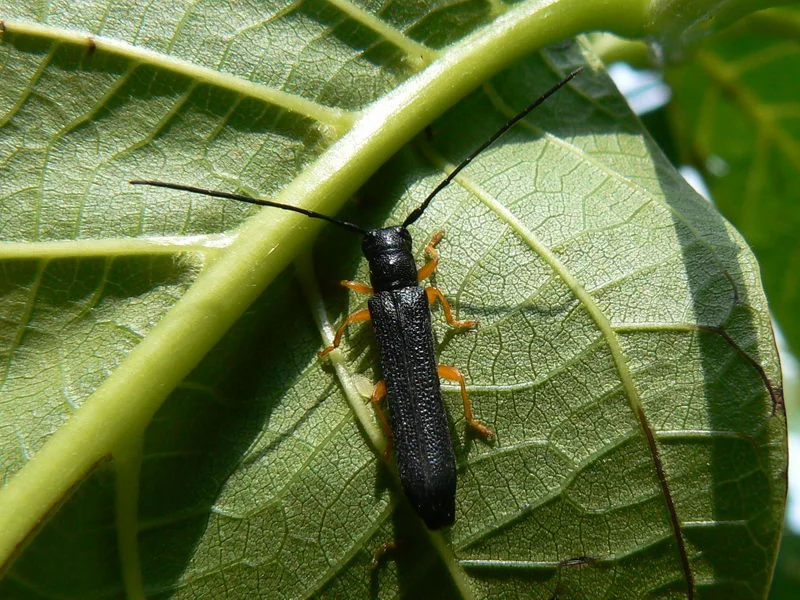
Hazelnut Longhorn Beetle (Oberea linearis): Symptoms, Spraying and Prevention
Hazelnut longhorn beetle (Oberea linearis): why shoot tips die back, and why spraying starts in mid-May. Symptoms, beat-sampling, mechanical control and how to tell it from the shot-hole borer.
Hazelnut Spraying Calendar: Annual Program for All Pests
Hazelnut orchard spraying calendar: spray timings, dosages and rules against all pests and diseases from February to October.
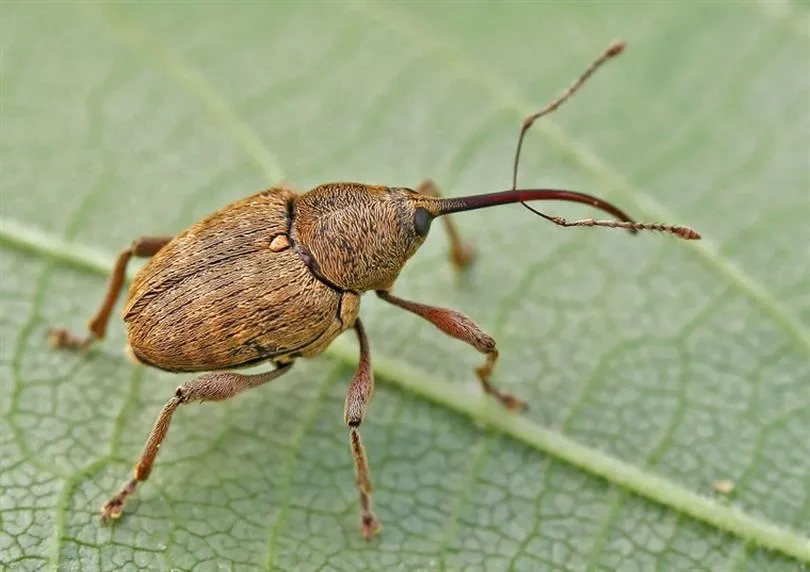
Hazelnut Weevil Control Guide: Identification, Spraying and Prevention
What is the hazelnut weevil (Curculio nucum, formerly Balaninus nucum), its damage symptoms, life cycle and control methods. Spray timing and dosages.
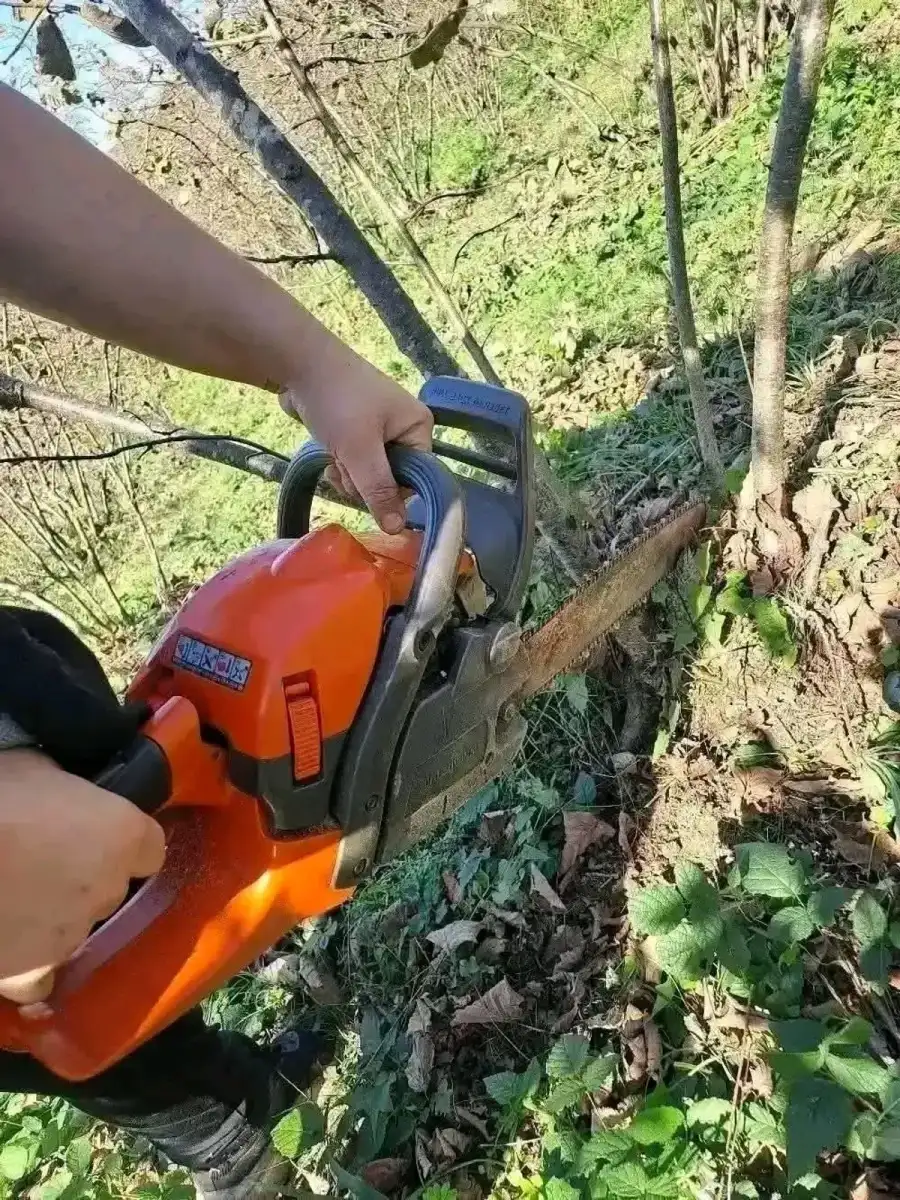
Hazelnut Pruning Guide: Prune Correctly, Harvest More
When to prune hazelnuts, the three pruning types — formative, maintenance and rejuvenation — plus cutting technique, tools, disinfection and the mistakes that cost yield.
More Pest Control Guides
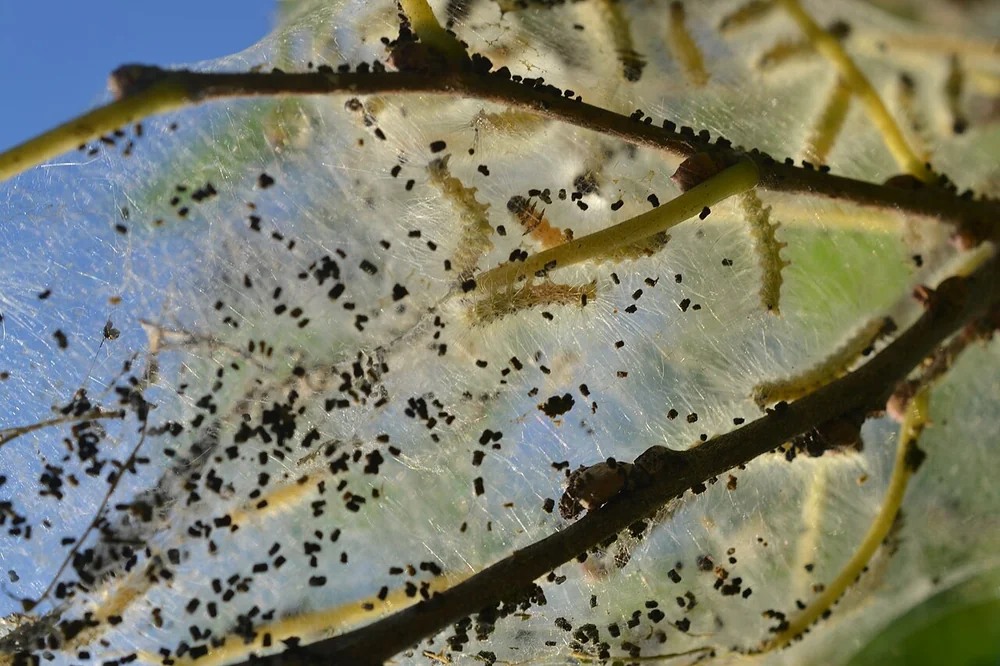
Fall Webworm on Hazelnut (Hyphantria cunea): Web Nests and Control
Fall webworm: silken web nests under the leaves, foliage eaten down to the midrib. Two to three generations a year; spray while the webs are new. Cutting and burning the nests is the most effective method.
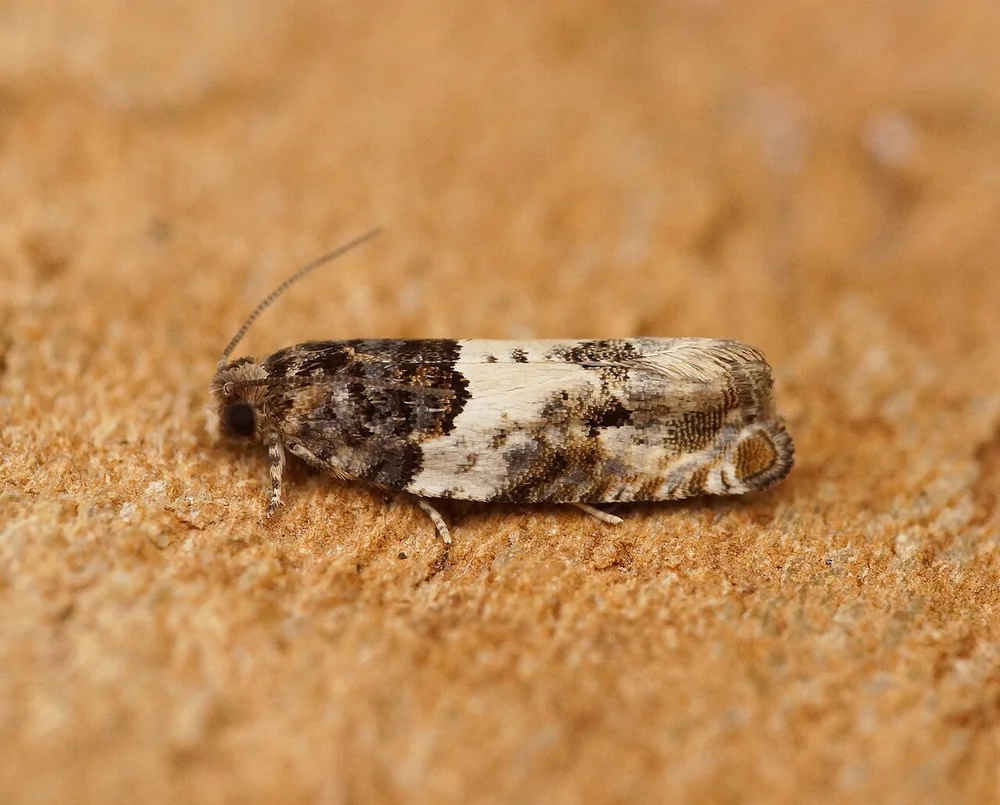
Hazelnut Shoot Moth (Gypsonoma dealbana): Symptoms and Spray Timing
Hazelnut shoot moth: triangular brown patches on the leaf and dying shoots. Spraying is done after harvest, finishing by the end of September. Threshold: 15 feeding marks per 100 leaves.
Hazelnut Gall Midge (Mikomyia coryli): Symptoms and Spray Timing
Hazelnut gall midge: galls along the leaf veins, on the husk cluster and at shoot tips. Spray when shoots carry two leaflets, late March to early April, repeated 20 days later. Threshold 50% infestation.
Green Stink Bug on Hazelnut (Palomena prasina): Symptoms, Spray Timing and Threshold
Green stink bug (Palomena prasina) and brown marmorated stink bug on hazelnut: blank, blackened and spotted kernels. Spraying starts mid-April; threshold is 1 overwintered adult per 10 bushes.