
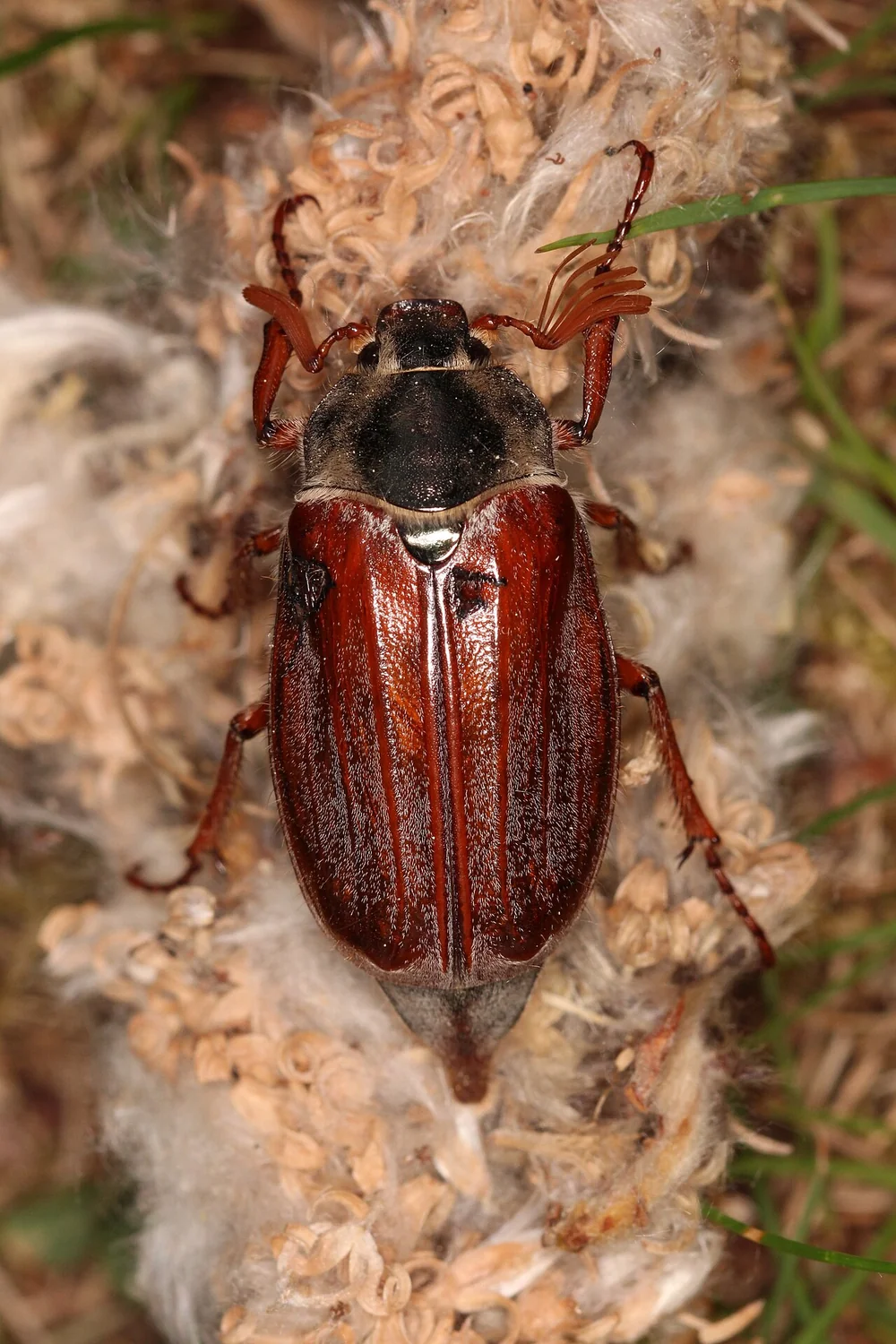
What Is the Cockchafer?
The cockchafer (Melolontha melolontha) is a large, noisily flying beetle 20-30 mm long and reddish brown in colour. It comes out of the soil in April and May and feeds on leaves and flowers.
The real threat in a hazelnut orchard, however, is not the big beetle you see but its grub below ground: a white, curved, plump larva known in Turkish as beyaz kurt (“white grub”) or manas.
The Damage Is Underground, the Symptom Above It
What makes the cockchafer dangerous in hazelnut is that the damage happens where you cannot see it. The grubs sever the roots; what you see is first shoot tip dieback, then dieback reaching the main branches. Most growers put this picture down to drought, frost or a root disease. A wrong diagnosis means the grubs go on feeding for years.
Damage Symptoms
- Shoot tip dieback: the first stage. As root loss increases, the shoot tips dry out
- Dieback reaching the main branches: at an advanced stage the dieback spreads to the branches and the bush visibly declines
- General loss of vigour: a weakening that does not respond to irrigation or fertilization
- Adult damage (secondary): adults feed on leaves in April and May, but this is negligible next to the grub damage
Diagnosis: Open the Soil
Around the bushes showing dieback, open the soil to a depth of 25 cm. If white, curved, plump grubs come out, the diagnosis is certain. This is the only reliable way to tell the cockchafer apart from root rot and drought — the above-ground symptoms look alike in all three. For root rot see our dedicated guide.
Life Cycle: One Generation Every Three Years
The cockchafer is unique among hazelnut pests: one generation takes three years to complete. That changes the logic of control.
| Stage | What happens |
|---|---|
| April – May | Adults emerge from the soil, feed on leaves and flowers, and mate |
| Egg laying | The female lays eggs 15-25 cm deep in the soil, in groups of 25-30 |
| For three years | The grubs develop in the soil and do the real damage by eating the roots |
| Overwintering | Grubs and pupae overwinter in the soil; adults stay in their soil chamber until the following spring |
Where Does the Female Lay? — The Key to Cultural Control
The Ministry’s record is explicit: females lay their eggs in orchards that have been left uncultivated for 2-3 years with a light weed cover. In other words, neglected orchards where the soil has not been worked for a long time invite this pest. Regular soil cultivation is the cheapest and most durable measure against the cockchafer.
Economic Threshold
If 3 or more grubs are found in one square metre at a depth of 25 cm, a soil treatment should be applied.
Make the count at several points around the bushes showing dieback symptoms.
Control Methods
1. Cultural Measures
- Regular soil cultivation: the female prefers soil left unworked and weedy for a long time. Working the soil regularly both discourages egg laying and brings existing grubs to the surface
- Weed management: the phrase “with a light weed cover” describes an egg-laying preference directly; maintaining the orchard floor is protective in itself against this pest
2. Chemical Control: Soil Treatment
The cockchafer is the only hazelnut pest treated through the soil. The target is not the adult on the leaf but the grub at the root.
- Timing: from early September to mid-October
- Application: after the product is applied, the soil must be mixed to a depth of 20 cm — anything left on the surface never reaches the grub at the root
- Precondition: soil treatment is not advised without a threshold count; it is an expensive operation
Always Consult Before Choosing a Product or Dose
No trade name or dosage is given on this page, deliberately. Products used for soil treatment differ from foliar ones and their registration status changes from year to year. Do not apply anything without consulting your provincial/district directorate of agriculture and forestry or an agricultural engineer.
Frequently Asked Questions
When should the treatment be applied? From early September to mid-October, applied to the soil. Mixing the soil to a depth of 20 cm afterwards is essential. Threshold: 3 or more grubs per m² at a depth of 25 cm.
My bushes are dying — is it the cockchafer or root rot? The above-ground symptoms are similar. You tell them apart by opening the soil: if white, curved, plump grubs come out, it is the cockchafer. If there are no grubs and the root tissue is rotten with bark that peels away easily, consider root rot.
Why is treatment not needed every year? Because one generation takes three years to complete. Grub density in the orchard is not the same every year. The decision must therefore be made by counting, not by the calendar.
Is collecting the adults worthwhile? It makes a marginal contribution but does not solve the problem. The main population is below ground and that is where the damage comes from. Put your effort into regular soil cultivation and threshold counting instead.
Is it more dangerous in a young orchard? Yes. In young bushes with a still limited root system, the same number of grubs does proportionally far more damage. In newly established orchards a soil check before planting is worthwhile.
This guide is based on data from the Hazelnut Research Institute of the Turkish Ministry of Agriculture and Forestry. Always make treatment decisions in consultation with an agricultural engineer.
📚Sources
Related Guides
View all Pest Control guides
Hazelnut Spraying Calendar: Annual Program for All Pests
Hazelnut orchard spraying calendar: spray timings, dosages and rules against all pests and diseases from February to October.
Hazelnut Root Rot: Armillaria and Rosellinia Control Guide
Hazelnut root rot diseases (Armillaria mellea, Rosellinia necatrix) symptoms, identification and control methods.
Soil and Leaf Analysis Guide for Hazelnut Orchards
When to have a soil analysis done in a hazelnut orchard, how to take the sample, and how to read the results. Leaf analysis timing and method explained.
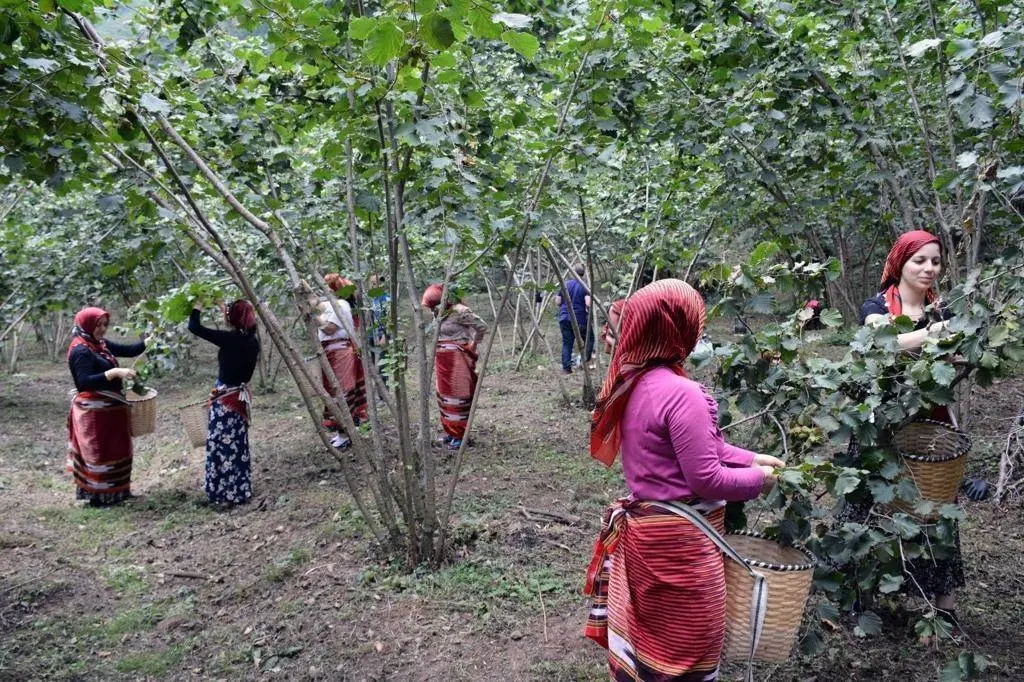
Hazelnut Growing Guide: From Planting to Harvest, Step by Step
A complete guide to growing hazelnuts. Pruning, fertilization, pest control, harvest and market knowledge — everything a hazelnut grower needs on a single page.
More Pest Control Guides
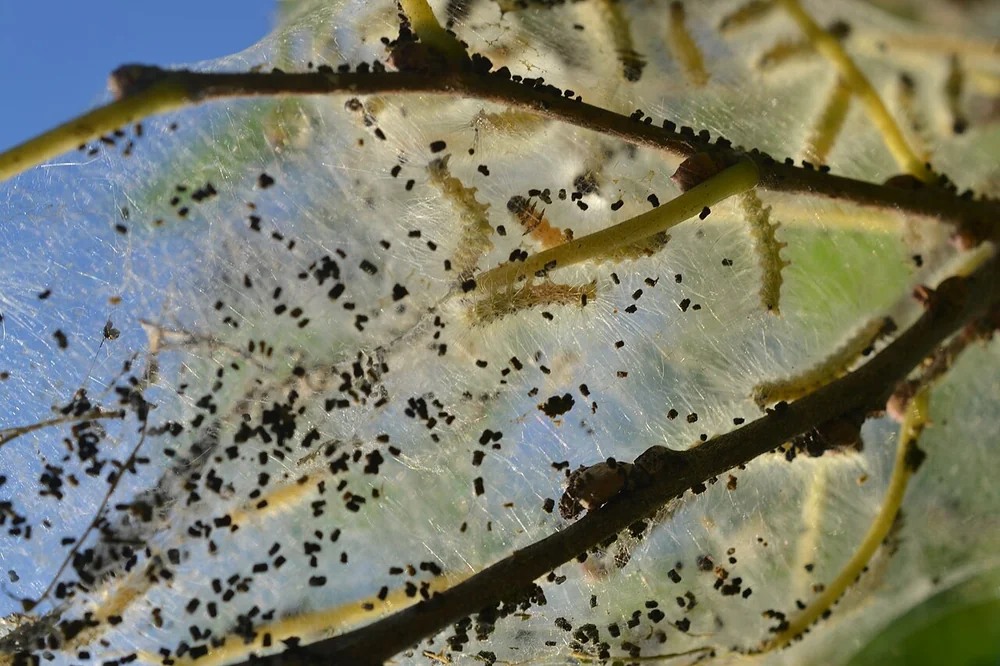
Fall Webworm on Hazelnut (Hyphantria cunea): Web Nests and Control
Fall webworm: silken web nests under the leaves, foliage eaten down to the midrib. Two to three generations a year; spray while the webs are new. Cutting and burning the nests is the most effective method.
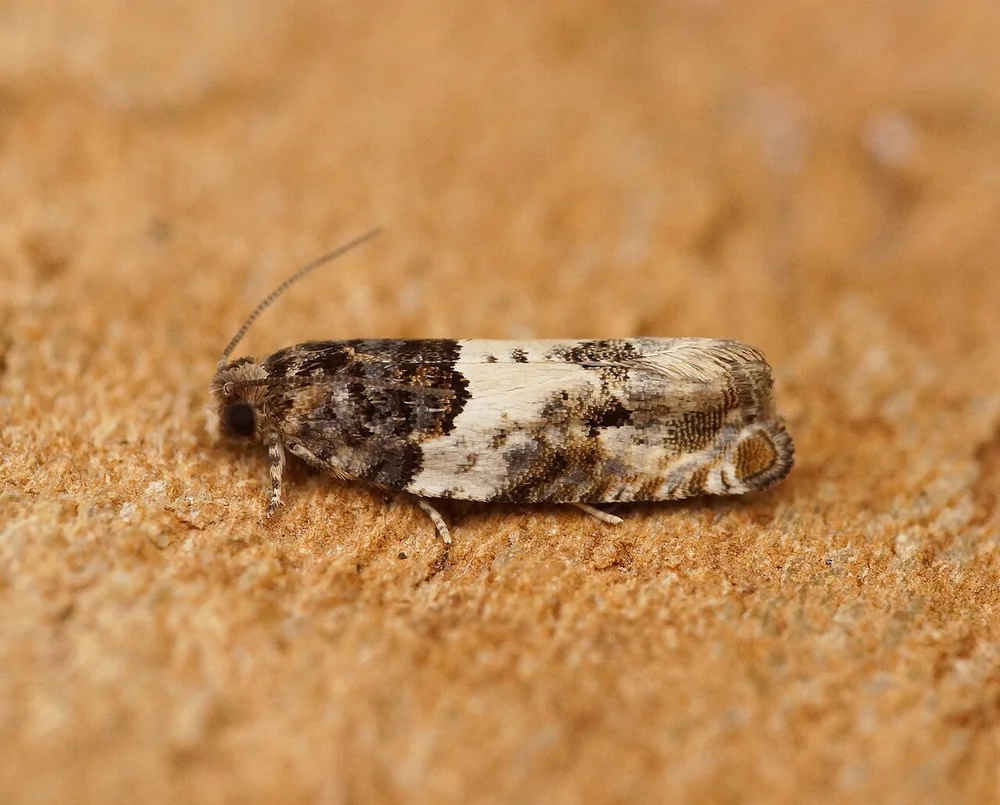
Hazelnut Shoot Moth (Gypsonoma dealbana): Symptoms and Spray Timing
Hazelnut shoot moth: triangular brown patches on the leaf and dying shoots. Spraying is done after harvest, finishing by the end of September. Threshold: 15 feeding marks per 100 leaves.
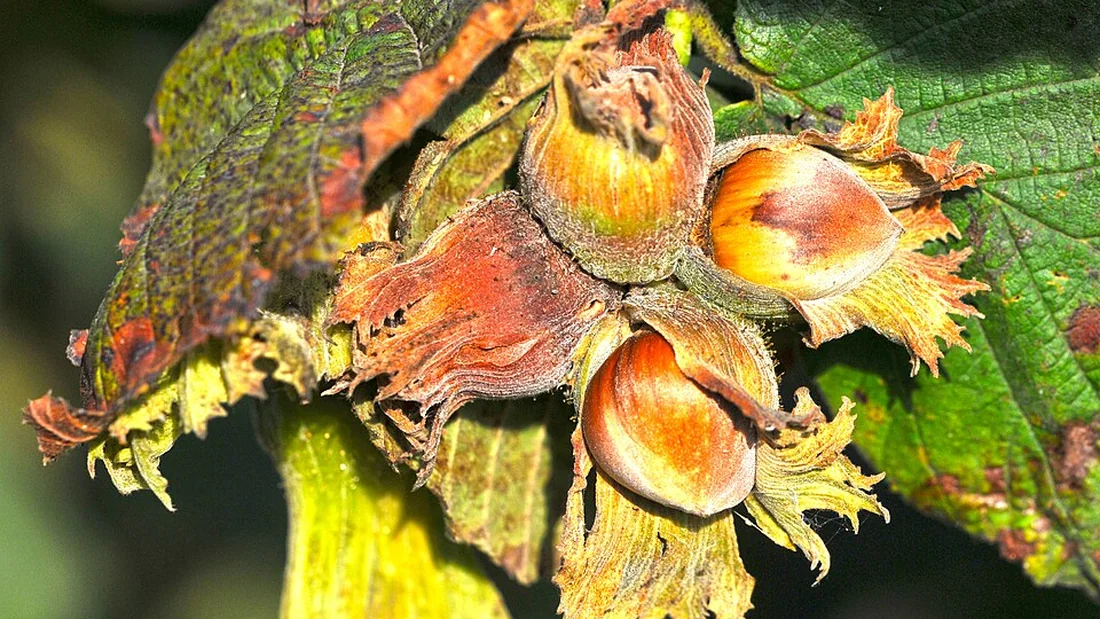
Hazelnut Gall Midge (Mikomyia coryli): Symptoms and Spray Timing
Hazelnut gall midge: galls along the leaf veins, on the husk cluster and at shoot tips. Spray when shoots carry two leaflets, late March to early April, repeated 20 days later. Threshold 50% infestation.
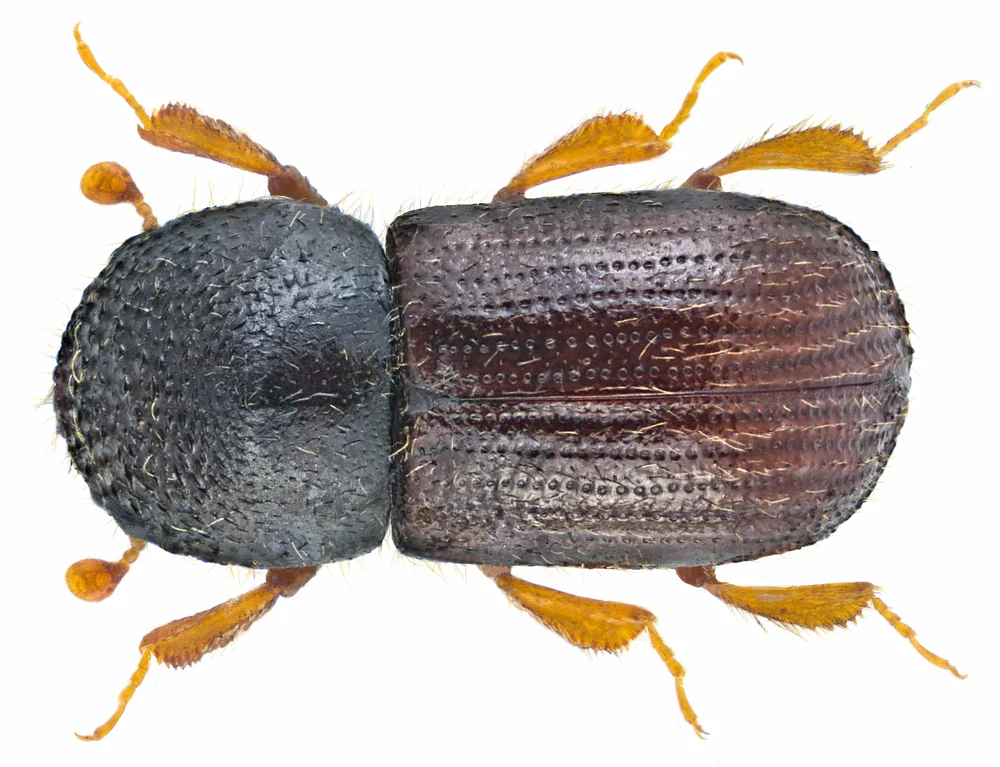
Hazelnut Shot-Hole Borer (Xyleborus dispar): Symptoms, Traps and Spray Timing
Hazelnut shot-hole borer / dalkıran (Xyleborus dispar): 2 mm holes in the branch and seeping sap. When to hang red sticky traps, why the spray goes on in early July, and why whole bushes die.