What Is Branch Canker?
Branch canker is a serious disease caused by the fungus Nectria galligena Bres. (current taxonomic name Neonectria ditissima), which creates chronic wounds on the trunks and branches of hazelnut trees. The disease was first described on apple and pear, and later found to cause significant damage on hazelnut as well.
Infection enters through wounds caused by frost, hail or pruning, and develops into typical canker wounds within 2-3 years. Canker wounds expand each year, encircling the branch’s vascular tissues, eventually causing the branch to dry out and die. If left untreated, the disease can significantly reduce the number of trees in an orchard.
Pathogen Information
Scientific name: Nectria galligena Bres. (syn. Neonectria ditissima) Family: Nectriaceae Disease type: Chronic fungal disease (canker) Infection period: Typical symptoms appear within 2-3 years
Symptoms
Open Canker
Open cankers are the most prominent and common form of the disease. They are large wounds on the bark of trunks and branches, featuring nested elliptical callus rings with a sunken center. Each year the tree forms new callus tissue at the wound edges in an attempt to close the wound, but the fungus kills this tissue as well, creating concentric rings that resemble a target pattern.
- Size: Canker wounds can reach up to 20 cm
- Location: Trunk, main branches and base of lateral branches
- Appearance: Sunken center, raised edges, nested rings
- Bark: Cracked, dry and peeling bark tissue
Closed Canker
Closed cankers are generally observed on young branches. When the branch’s rate of callus formation temporarily exceeds the fungus’s spread rate, the wound appears to close. However, this is temporary; over time, closed cankers also develop into open cankers.
Perithecia (Spore Structures)
At the margins of canker wounds, beneath exfoliated dead bark or within bark cracks, the fungus’s reproductive structures called perithecia are visible. These structures:
- Are bright, vivid red in color
- Are spherical or pear-shaped
- Occur scattered or in clusters
- Are 1-2 mm in diameter, visible to the naked eye
Branch Dieback
When a canker wound completely encircles (girdles) a branch, water and nutrients can no longer be transported to the upper part. These branches:
- Cannot produce leaves in spring, or leaves remain pale
- Suddenly wilt and die during summer months
- Fruit and leaves turn brown but do not drop (remain hanging)
Disease Cycle
The branch canker fungus has a multi-year infection cycle. The stages of disease development are as follows:
Year 1 — Infection:
- Frost, hail or pruning wounds create entry points for the fungus
- Ascospores (sexual spores) are spread by wind and rain to open wounds
- The fungus begins developing beneath the bark, no external symptoms are visible
Year 2 — Canker Development:
- The bark at the infection site begins to sink and darken
- The first callus rings form
- Cream-white sporodochia (asexual spore structures) appear at wound margins
- Conidia (asexual spores) are spread to nearby branches by rain splash
Year 3 and Beyond — Mature Canker:
- The typical open canker wound is fully formed
- Bright red perithecia develop at wound margins
- Ascospores released from perithecia are carried long distances by wind
- The canker continues to grow each year, with growth rate highest in spring
Hidden Danger
It takes 2-3 years for symptoms to appear after infection. Therefore, when you first notice branch canker in your orchard, the pathogen has most likely been present for years. Regular orchard inspection is vitally important.
Risk Factors
Altitude (Elevation)
There is a direct relationship between branch canker and altitude. In Turkey, the disease generally appears above 450 meters elevation, though it has been detected at 250-300 meters in some regions. As altitude increases:
- Frost events become more frequent and severe
- Frost wounds create entry points for the fungus
- Disease intensity increases in parallel with elevation
Frost and Hail Damage
Frost and hail events create micro-cracks and wounds in branch bark. These wounds are the most important entry points for the fungus to cause infection. In particular:
- Late spring frosts (April-May): Strike newly emerging branches
- Hail: Creates numerous wounds in bark, setting the stage for mass infection
- Early autumn frosts: Damage tissues that have not yet lignified
Humidity and Temperature
High humidity and rainfall are required for the fungus’s spore dispersal. Cool, humid climate conditions accelerate disease spread. For this reason, the disease is prevalent in the higher elevations of the Black Sea Region.
Susceptible Cultivars
All hazelnut cultivars can develop branch canker, but some are much more susceptible:
| Cultivar | Susceptibility | Note |
|---|---|---|
| Fosa | Very susceptible | Planting should be avoided at high elevations |
| Mincane | Very susceptible | Prone to frost damage |
| Cakildak | Relatively resistant | Cold-hardy cultivar |
| Tombul | Moderate | Common in Giresun region |
| Palaz | Moderate | Common in Ordu region |
Beware of Susceptible Cultivars
Fosa and Mincane cultivars are particularly susceptible to branch canker. Planting these cultivars in orchards above 300 meters elevation should be avoided, and cold-hardy cultivars should be preferred instead.
Control Methods
There is no effective chemical treatment for branch canker. Control relies primarily on cultural measures and preventative spraying.
Control Through Pruning
Pruning of cankered branches is the most important step in disease management:
- Cut cankered branches at least 15-20 cm below the canker wound
- Remove pruning debris from the orchard and burn it — never leave them in the orchard
- Disinfect pruning tools between every cut with 10% bleach or 70% alcohol
- Prune in dry weather; pruning on rainy days increases spore dispersal
- Seal large pruning wounds with grafting wax
For detailed pruning techniques, see our Hazelnut pruning guide.
Pruning Timing
The best time for branch canker pruning is late winter - early spring (February-March). Spore dispersal risk is lowest when pruning is done in dry, cold weather. Post-harvest (August-September) pruning is also possible; however, protective spraying should be applied immediately afterwards.
Chemical Control (Bordeaux Mixture)
While there is no effective chemical treatment, 1% Bordeaux mixture application is useful in preventing fungal entry through wound sites. The spray schedule is as follows:
1st Application — Post-harvest (late August - early September):
- Protects wounds created during harvest
- Applied immediately after pruning if pruning was performed
2nd Application — Leaf fall (November):
- Applied when 3/4 of leaves have dropped
- Prevents autumn infections
3rd Application — Spring (March):
- Applied when leaf buds begin to burst
- Provides protection against spring infections
For the complete annual spray program, see our Spray schedule.
Cultural Measures
- Cultivar selection: Choose frost-resistant cultivars for high-altitude orchards
- Orchard hygiene: Regularly collect and burn infected branches, bark and debris
- Ventilation: Reduce moisture accumulation by aerating the tree canopy through regular pruning
- Frost protection: Painting the trunk of young trees with lime wash can reduce frost cracking
- Balanced fertilization: Excessive nitrogen fertilization creates soft tissue that increases frost susceptibility
Susceptible and Resistant Cultivars
The resistance of hazelnut cultivars to branch canker is largely related to their frost resistance. Cultivars more prone to frost damage are also more susceptible to branch canker:
| Cultivar | Branch Canker Susceptibility | Frost Resistance | Common Region |
|---|---|---|---|
| Fosa | High | Low | Giresun, Trabzon |
| Mincane | High | Low | Trabzon |
| Tombul | Moderate | Moderate | Giresun |
| Sivri | Moderate | Moderate | All regions |
| Palaz | Moderate | Moderate | Ordu |
| Cakildak | Low | High | All regions |
Cultivar Selection Recommendation
In orchards above 300 meters elevation, cold-hardy cultivars such as Cakildak should be preferred. Planting Fosa and Mincane cultivars at high elevations significantly increases the risk of branch canker.
Conclusion
Hazelnut branch canker is a long-term disease that can cause serious yield losses and tree death, especially in high-altitude orchards. Due to the disease’s 2-3 year latent development period, early diagnosis is difficult, which is why preventive measures are of great importance.
In summary:
- Regularly inspect your orchard; try to detect canker wounds early
- Prune cankered branches immediately and remove them from the orchard to burn
- Disinfect your pruning tools after every cut
- Apply 1% Bordeaux mixture after harvest, at leaf fall and in spring
- Choose frost-resistant cultivars for high-altitude orchards
- Avoid susceptible cultivars such as Fosa and Mincane
For all aspects of hazelnut care, see our Hazelnut guide. For disease and pest control, review our Spray schedule.
📚 Hazelnut Research Institute 📚 Agrowy - Hazelnut Branch Canker 📚 Agricultural Statistics 📚 TABIDER📚Sources
Related Guides
View all Diseases guides
Powdery Mildew in Hazelnuts: Symptoms, Control and Spraying
What is powdery mildew in hazelnuts, what are its symptoms, when should you spray and how is it controlled? Includes an overview of the new powdery mildew (Erysiphe corylacearum).
Hazelnut Pruning Guide: Prune Correctly, Harvest More
When to prune hazelnuts, the three pruning types — formative, maintenance and rejuvenation — plus cutting technique, tools, disinfection and the mistakes that cost yield.
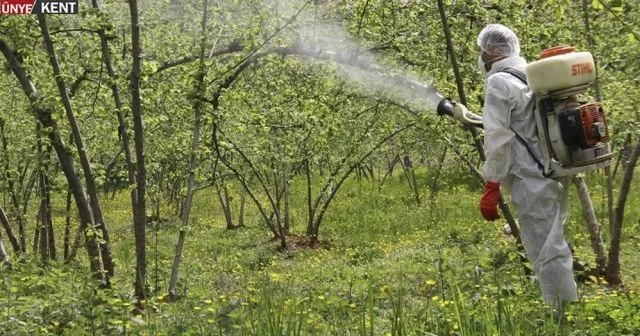
Hazelnut Spraying Calendar: Annual Program for All Pests
Hazelnut orchard spraying calendar: spray timings, dosages and rules against all pests and diseases from February to October.
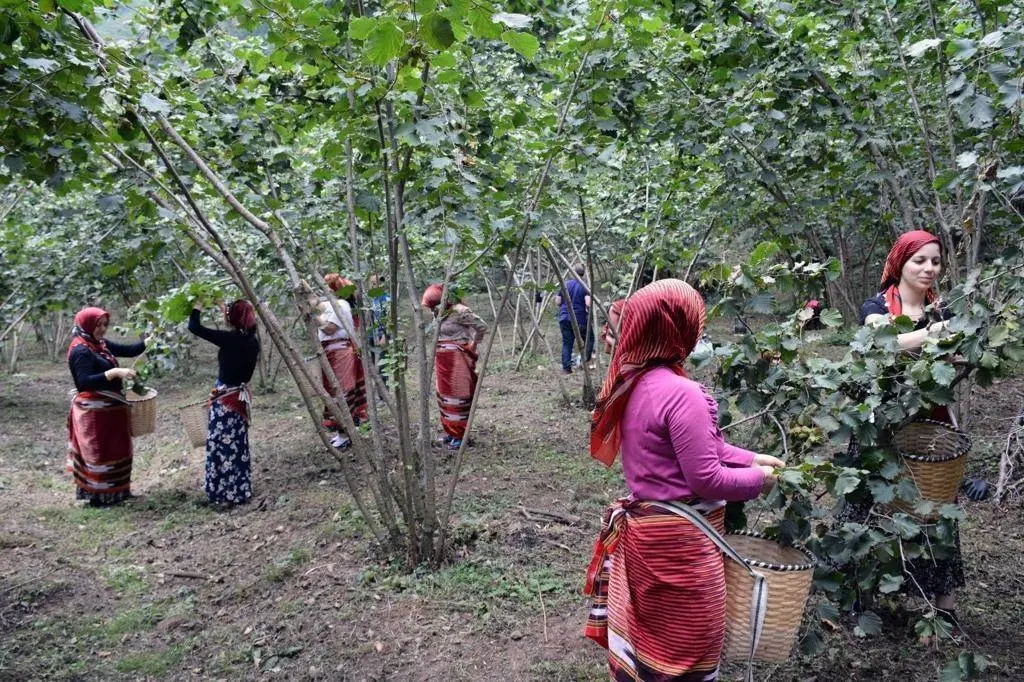
Hazelnut Growing Guide: From Planting to Harvest, Step by Step
A complete guide to growing hazelnuts. Pruning, fertilization, pest control, harvest and market knowledge — everything a hazelnut grower needs on a single page.
More Diseases Guides
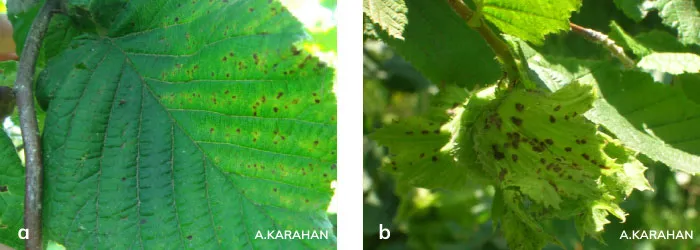
Hazelnut Bacterial Blight: Symptoms, Treatment and Prevention
What is hazelnut bacterial blight (Xanthomonas arboricola pv. corylina), its symptoms, spread pathways and control methods.
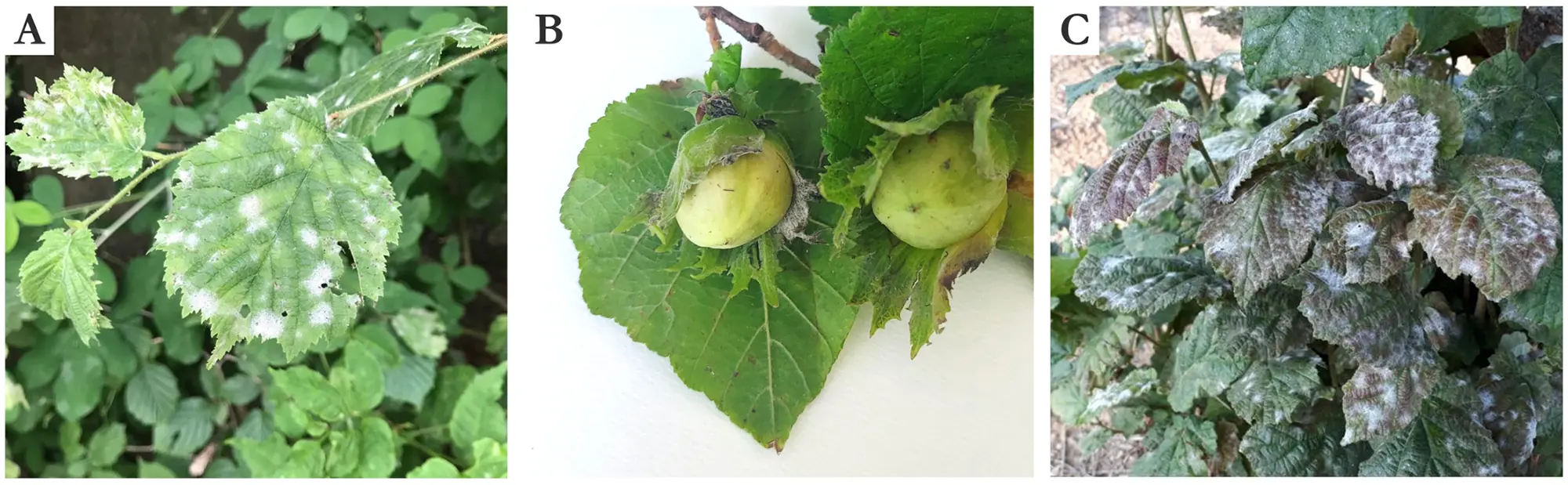
New Powdery Mildew (Erysiphe corylacearum): The New Threat to Hazelnuts
What is the new powdery mildew disease in hazelnuts (Erysiphe corylacearum), its differences from traditional powdery mildew and current control methods.
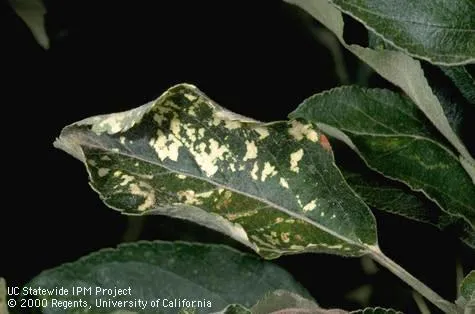
Hazelnut Mosaic Disease: Symptoms, Spread and Prevention Methods
What is hazelnut mosaic disease (Apple Mosaic Virus), its leaf symptoms, spread pathways and prevention methods.
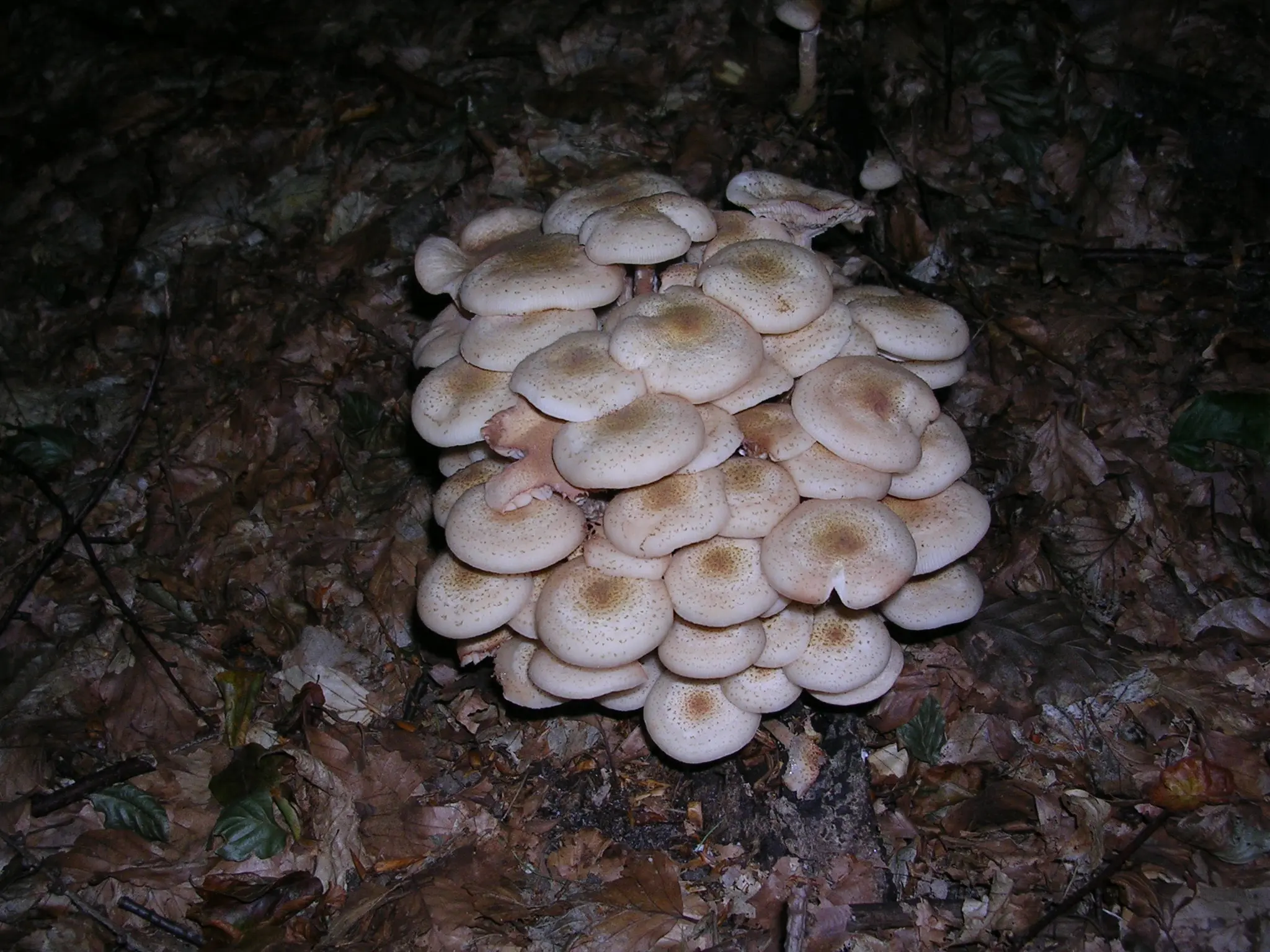
Hazelnut Root Rot: Armillaria and Rosellinia Control Guide
Hazelnut root rot diseases (Armillaria mellea, Rosellinia necatrix) symptoms, identification and control methods.