
Hazelnut Fertilization
Hazelnut orchard fertilization program, soil analysis and fertilizer types guide.
16 guidesFertilizer is the largest annual input cost in most hazelnut orchards and the easiest one to get wrong in both directions. Under-feed and the bush cannot fill the nuts it set; over-feed and you have paid for a product that lowers yield, acidifies the soil, pollutes the water table and produces soft growth that frost and disease exploit. This category is about the two questions that decide which of those you end up with: how much, and when.
Two product-specific guides are available in English: potassium sulfate (0-0-51), the standard potassium source for hazelnut, and urea phosphate (18-44-0), a fully water-soluble nitrogen and phosphorus fertilizer suited to drip systems. The companion guides to soil and leaf analysis and to the full annual fertilization programme are currently published only in the Turkish edition of this site.
Read them in the right order. Start with the analysis, then open the guide for whatever the analysis says you are short of. Copying a neighbour's programme is the most common and most expensive mistake in this whole category - their soil is not your soil, and their pH is not your pH.
Ammonium Nitrate (33-0-0): Use, Dosage and Leaching Risk in Hazelnuts
What is ammonium nitrate fertilizer and how is it used in hazelnuts? The 16.5% ammonium + 16.5% nitrate balance, how it differs from CAN, behaviour on acid soils, nitrate leaching and dose calculation.
Ammonium Sulfate (21-0-0) Fertilizer: Use in Hazelnuts and the Acidity Risk
What is ammonium sulfate fertilizer, and when and how should it be used in hazelnut orchards? 21% nitrogen + 24% sulfur, dosage logic, soil acidification risk and a comparison with CAN.
Boron Fertilization in Hazelnuts: Blank Nuts, Dosage and Toxicity Risk
What does boron do in hazelnuts, and does a deficiency cause blank nuts? Critical boron values in soil and leaf analysis, soil and foliar application rates, and the risk of boron toxicity.
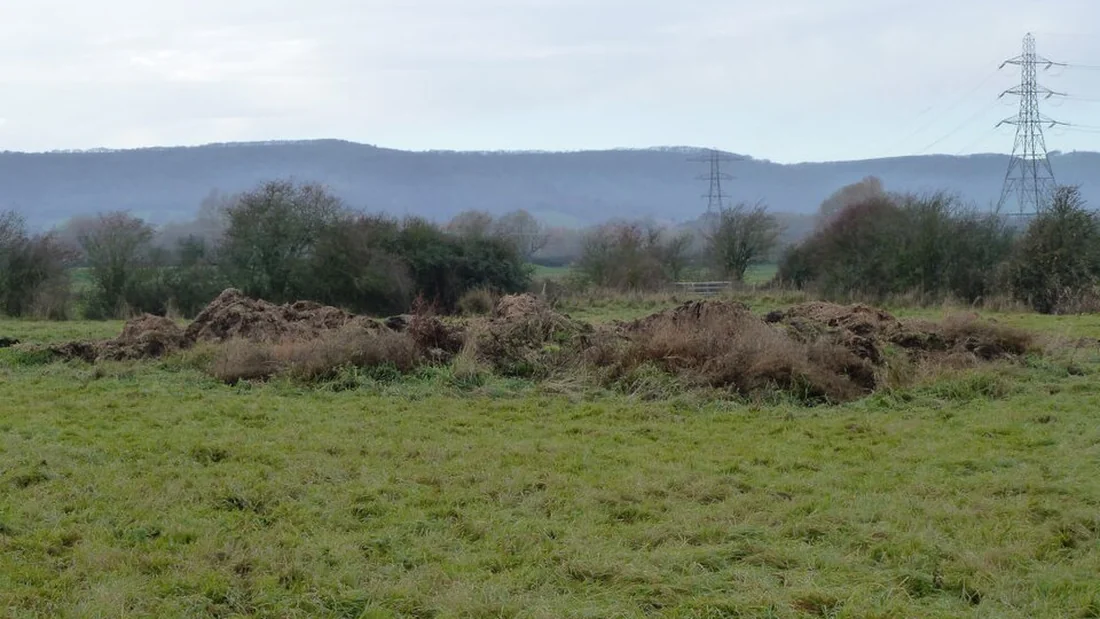
Farmyard Manure and Organic Matter in Hazelnut Orchards: Building the Foundation
What does farmyard (barn) manure do in a hazelnut orchard, what is well-rotted manure, when and how is it applied? The role of organic matter in holding water and nutrients, husk compost and common mistakes.
Zinc Sulfate (ZnSO₄) on Hazelnut: Deficiency, Dose and Timing
How do you recognise zinc deficiency in hazelnut, and when and at what rate is zinc sulfate applied to the soil or the leaf? Results from the Ordu Palaz trial and leaf-analysis critical values.
DAP Fertilizer (18-46-0): Use, Timing and Dosage in Hazelnut
What is DAP (diammonium phosphate, 18-46-0) and how is it applied in hazelnut orchards? Phosphorus fixation in acid soils, band placement, planting-hole use and how it differs from urea phosphate.
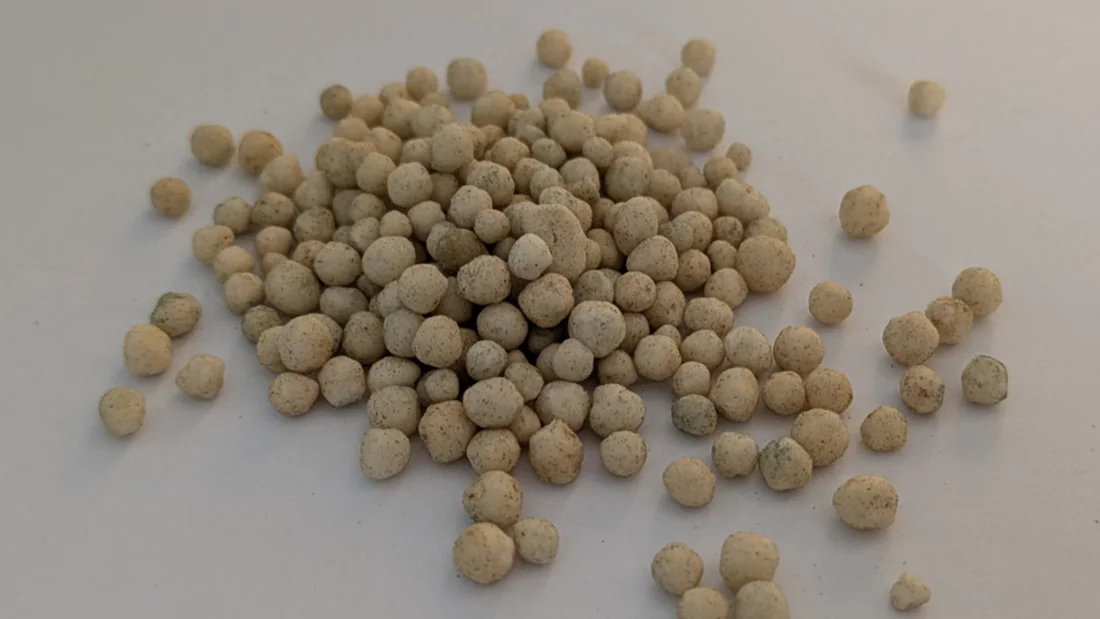
Calcium Ammonium Nitrate (CAN, 26-0-0): Use and Dosage in Hazelnuts
What is CAN fertilizer and why is it preferred for hazelnuts? 26% nitrogen, the ammonium-nitrate balance, safe use on acid soils, timing and dose calculation.
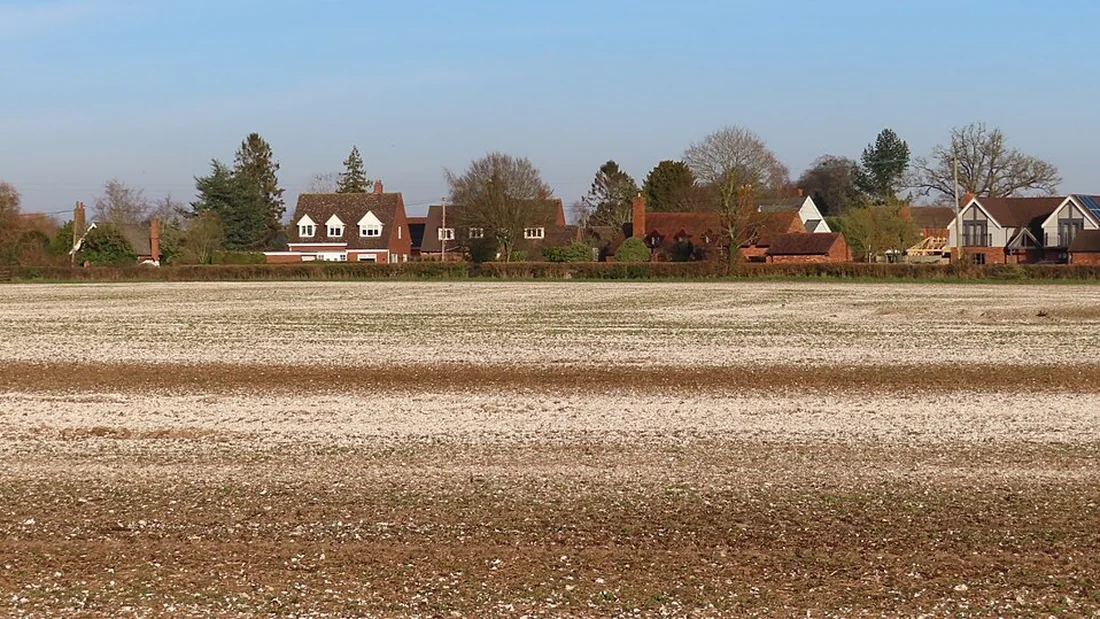
Liming Acidic Hazelnut Soils: Raising Soil pH in the Orchard
Black Sea soils are acidic by nature. Without liming, much of the fertilizer you spread never reaches the tree. How lime requirement is determined, which liming material to choose, and when and how to apply it.
Compound Fertilizer (15-15-15, 20-20-0): Use in Hazelnut Orchards
What is compound NPK fertilizer, how do 15-15-15 and 20-20-0 differ, and when does it make sense in hazelnuts? Nutrient ratios, pure-nutrient arithmetic, straight fertilizers and soil analysis.
Organomineral Fertilizer for Hazelnuts: Use, Label Reading and Application
What is organomineral fertilizer and how does it differ from chemical fertilizer and farmyard manure? When to apply it in a hazelnut orchard, what to check on the label, and an honest look at what it does and does not fix.
Urea (46-0-0) Fertilizer: When, How and How Much to Use on Hazelnuts
Urea contains 46% nitrogen and is the cheapest source of nitrogen per unit. Timing, dosage, soil incorporation and how to stop losing nitrogen to ammonia volatilization in hazelnut orchards.
Foliar Fertilization in Hazelnuts: When and How to Apply Leaf Fertilizer
What is foliar fertilization in hazelnuts, when and under what conditions is it applied? Concentration logic, leaf burn risk, phenological timing and common mistakes.
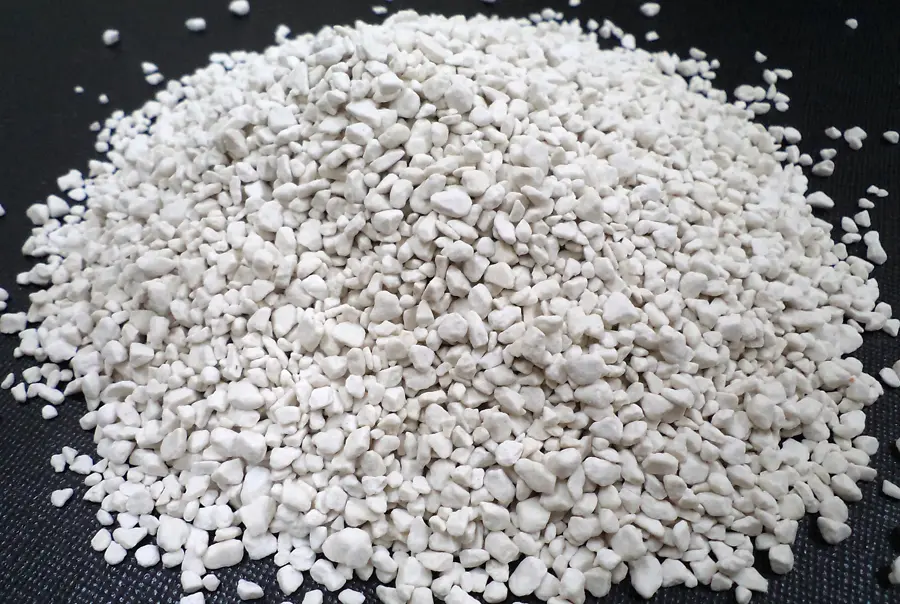
Potassium Sulfate (0-0-51) Fertilizer: Use and Dosage in Hazelnuts
What is potassium sulfate fertilizer, and when and how should it be used in hazelnuts? Learn about 51% K2O and 18% sulfur content, dosage, application timing, and important considerations.
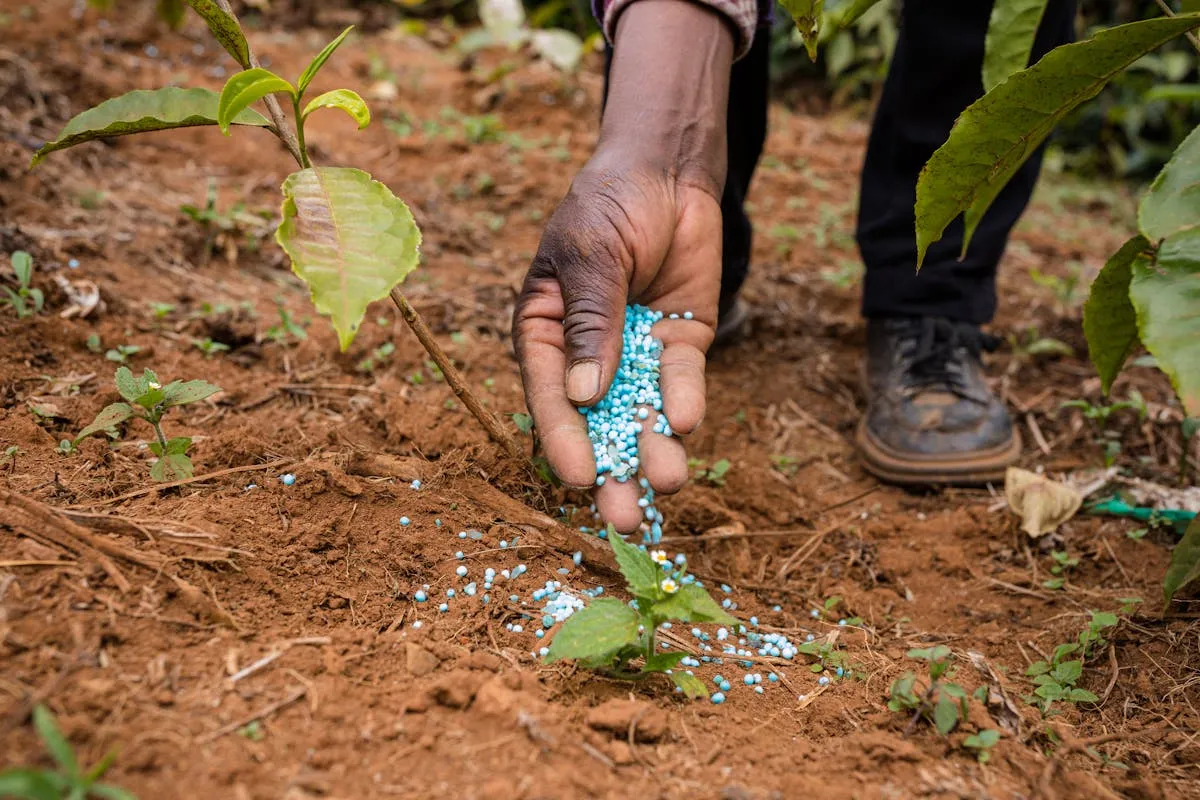
Urea Phosphate 18-44-0 Fertilizer: Usage and Benefits in Hazelnut
What is urea phosphate 18-44-0 fertilizer and how is it used in hazelnut orchards? Application timing, dosage calculation, differences from DAP, and key considerations.
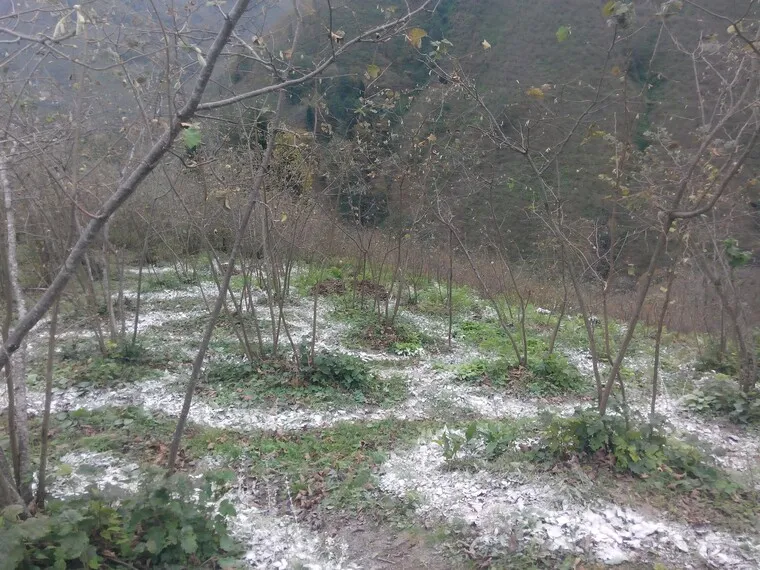
Hazelnut Fertilization Program: Annual Schedule and Application Rates
When to fertilize hazelnuts, which fertilizer types to use, and how much per decare. A practical guide to nitrogen, phosphorus, potassium and organic fertilizer applications.
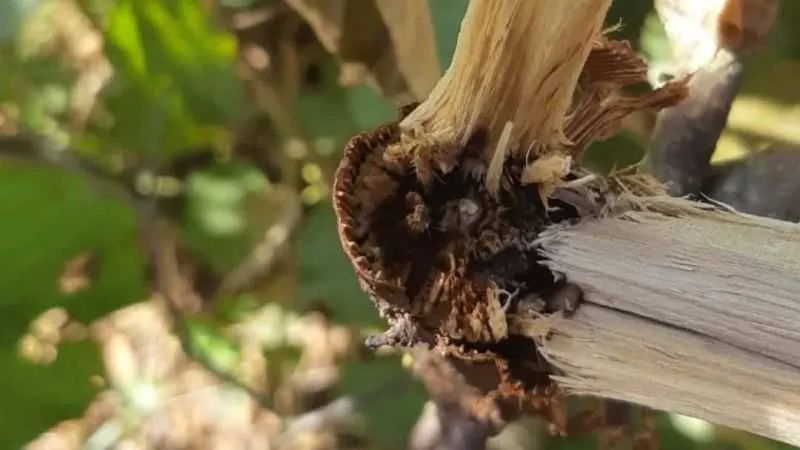
Soil and Leaf Analysis Guide for Hazelnut Orchards
When to have a soil analysis done in a hazelnut orchard, how to take the sample, and how to read the results. Leaf analysis timing and method explained.
Why a Soil Test Comes Before a Fertilizer Bag
Fertilizer applied without a soil test is almost always either too little or too much, and you have no way of knowing which. The Turkish analysis guide puts the saving from testing at 30-50% of the annual fertilizer bill, and that is before counting the yield you lose to over-application. Provincial and district agricultural directorates offer soil analysis services and guidance, and the January care guide treats sampling as the first job of the season precisely because the results come back in time to build the spring programme.
A soil test is only as good as the sample. Take sub-samples from ten to fifteen points spread across the orchard, under the canopy drip line and at a depth that represents the root zone, and mix them into one composite sample. The best window is September-October, after harvest and before autumn fertilization, with February-March as a second choice; every three to four years is enough, because soil properties do not change quickly. Leaf analysis complements it and is taken in July, when the leaves are fully developed and the nuts are filling.
What comes back is a set of numbers you can act on: pH, organic matter percentage, and available nitrogen, phosphorus and potassium. Those figures tell you not only what to buy but what not to buy - phosphorus already sitting at an adequate level does not need topping up, and applying it anyway is money converted into a soil problem.
What Each Nutrient Actually Does in a Hazelnut Bush
Nitrogen builds canopy: leaf development, shoot growth, chlorophyll, and the protein content of the kernel. It is normally split into two equal halves, the first in mid-March as buds swell and the second in late May, because a single large dose risks root burn and leaches away. Nitrogen should not be applied after July - late applications prolong shoot growth and delay the hardening the bush needs before winter - and excess nitrogen at any point creates soft, watery tissue that is more susceptible to both frost and infection.
Phosphorus works below ground and at flowering: root development and anchorage, flower bud formation and fruit set, energy transfer within the plant, kernel fill, and winter hardiness. Deficiency shows as weak rooting and reduced flowering and set rather than as an obvious leaf symptom, which is another reason it needs a test rather than an eye. It is applied in autumn or early winter and must be worked into the soil. The urea phosphate guide covers the water-soluble option in detail.
Potassium is the quality nutrient: it raises kernel yield, oil content and flavour, strengthens the plant against fungal disease, improves drought tolerance by regulating the stomata, increases cell sap concentration so the bush tolerates cold better, and drives the movement of sugars from the leaves into the filling nuts. Deficiency starts on the older leaves as yellowing and scorching of the margins, followed by cupping, premature nut drop and small, poorly filled kernels. Use potassium sulfate rather than potassium chloride, because hazelnut is sensitive to chloride - and note that the sulfate form supplies sulfur at the same time.
Beyond the big three, calcium ammonium nitrate is the nitrogen source recommended for the naturally acidic soils of the Black Sea region, and it delivers calcium along with the nitrogen. Micronutrients - boron, zinc, iron and manganese - are normally supplied as foliar sprays between May and July, in two or three applications fifteen to twenty days apart. Foliar feeding corrects a shortage quickly; it does not replace a soil programme.
Timing and Method: Where It Goes Matters as Much as How Much
Place fertilizer where the feeding roots are, which is under the canopy drip line and not against the trunk. The March guide describes a ring 30-40 cm wide under the drip line, kept 50-60 cm away from the trunk, hoed into the soil to a depth of 5-10 cm. Incorporation is not optional for urea-based products: urea nitrogen left on the soil surface volatilises into the air as ammonia, so a broadcast application that is never worked in can lose a serious share of what you paid for. Apply before rain or irrigation, and never onto frozen or waterlogged ground.
Where a drip system exists, fertigation changes the arithmetic. Fully water-soluble products can be delivered in small, frequent doses through the season - the potassium sulfate guide describes 2-3% solutions applied every two to three weeks during the June-July kernel-filling period. Foliar application uses weaker solutions, sprayed early in the morning or late in the afternoon to avoid leaf burn, and tank-mix compatibility must be checked before combining it with any plant protection product.
The annual skeleton, then, looks like this: farmyard manure and phosphorus-potassium in the dormant season from November to February; the first half of the nitrogen in mid-March; the second half in late May; potassium support during kernel filling in June and July; leaf analysis in July; soil analysis and, if needed, liming in autumn. Do not apply lime and nitrogen fertilizer at the same time - the combination causes nitrogen loss.
Organic Matter and pH: The Two Numbers That Decide Whether Anything Works
Soil pH governs whether the nutrients present are available at all. Black Sea hazelnut soils tend to be acidic, and where the analysis shows a pH below 5.5 the answer is liming in autumn, at a rate set by the analysis. The same fact drives the nitrogen choice: ammonium sulfate acidifies further and is not recommended for this region, with calcium ammonium nitrate or urea used instead, and even urea phosphate needs care on soils already below pH 5.5.
Organic matter is the second number to look at. Below 1% is very low and calls for farmyard manure or compost as a priority; 2-4% is adequate and only needs maintaining. Well-rotted farmyard manure is applied at roughly 25-30 kg per bush, spread under the drip line and worked in, once every three to four years rather than annually - repeating it every year builds up salts without adding a benefit. Organic matter is what holds water and nutrients in the root zone, so it quietly determines how much of your mineral fertilizer the bush ever sees.
Finally, drainage. Roots standing in water cannot take up nutrients however carefully you calculated the dose, and waterlogging in the root zone is the single biggest trigger of root rot. If a corner of the orchard responds poorly to fertilizer year after year, check the drainage before increasing the rate - and see hazelnut diseases if the bushes there are also declining.
Nutrient roles, deficiency signs and usual application window
| Nutrient | What it does in hazelnut | Signs of shortage | Usual timing |
|---|---|---|---|
| Nitrogen (N) | Canopy and shoot growth, chlorophyll, kernel protein | Pale, small leaves and weak shoot growth | Half in mid-March, half in late May; none after July |
| Phosphorus (P) | Root development, flower bud formation and fruit set, kernel fill, winter hardiness | Weak rooting, reduced flowering and poor set | Autumn or early winter, worked into the soil (guide) |
| Potassium (K) | Kernel yield and oil content, disease and drought tolerance, cold hardiness | Margin scorch on older leaves, cupping, early nut drop, unfilled kernels | Main dose November-February; support during kernel fill in June-July (guide) |
| Sulfur (S) | Supplied together with potassium in the sulfate form | Assessed through soil and leaf analysis | With the potassium application |
| Calcium (Ca) | Supplied by calcium ammonium nitrate; suits the acidic soils of the region | Assessed through soil analysis alongside pH | With the March nitrogen application; liming in autumn if pH is low |
| Micronutrients (B, Zn, Fe, Mn) | Support flowering, set and general leaf health | Confirmed by leaf analysis in July rather than by eye | Foliar sprays May-July, 2-3 applications 15-20 days apart |
Frequently Asked Questions
How often do I actually need a soil analysis?
Every three to four years is enough for soil, because soil properties change slowly. Leaf analysis can be done annually but every two to three years is normally sufficient, and July is the right month for it. Take a soil sample sooner than the schedule if you change your fertilizer programme substantially, apply lime, or take over an orchard whose history you do not know.
When is the best time to take a soil sample?
September-October, after harvest and before autumn fertilization, is the first choice; February-March is the second. The January care guide recommends sampling that month for a practical reason: the results arrive while there is still time to build the programme before the first nitrogen goes on in mid-March. Sample on a day when the soil is friable rather than muddy.
Why is potassium chloride not recommended for hazelnut?
Hazelnut is sensitive to chloride, which is why potassium sulfate is the standard potassium source for the crop. The sulfate form also brings sulfur with it, so a single product covers two requirements. The potassium sulfate guide covers content, timing and application methods in detail.
Can I just spread urea on the surface and let the rain wash it in?
It is one of the most reliable ways to lose fertilizer. Urea nitrogen left on the soil surface volatilises into the air as ammonia gas, so the bush never receives it. Hoe it into the soil at a depth of 5-10 cm, under the canopy drip line rather than against the trunk, and apply before rain or irrigation rather than onto dry, exposed ground.
Is farmyard manure needed every year?
No. The recommendation is roughly 25-30 kg of well-rotted manure per bush once every three to four years, spread under the branch drip line, away from the trunk, and incorporated into the soil. Annual application causes unnecessary salt accumulation without adding a benefit. Its purpose is to lift organic matter and improve soil structure, not to supply the season's nutrients.
Can foliar feeding replace soil fertilization?
No. Foliar sprays are efficient at correcting micronutrient shortages quickly - boron, zinc, iron and manganese in two or three applications between May and July - but the quantities involved are far too small to meet the bush's nitrogen, phosphorus and potassium needs. Treat foliar feeding as a supplement layered on top of a soil programme built from an analysis.
Download Findik App
Download the Findik app for job listings, team building and more.